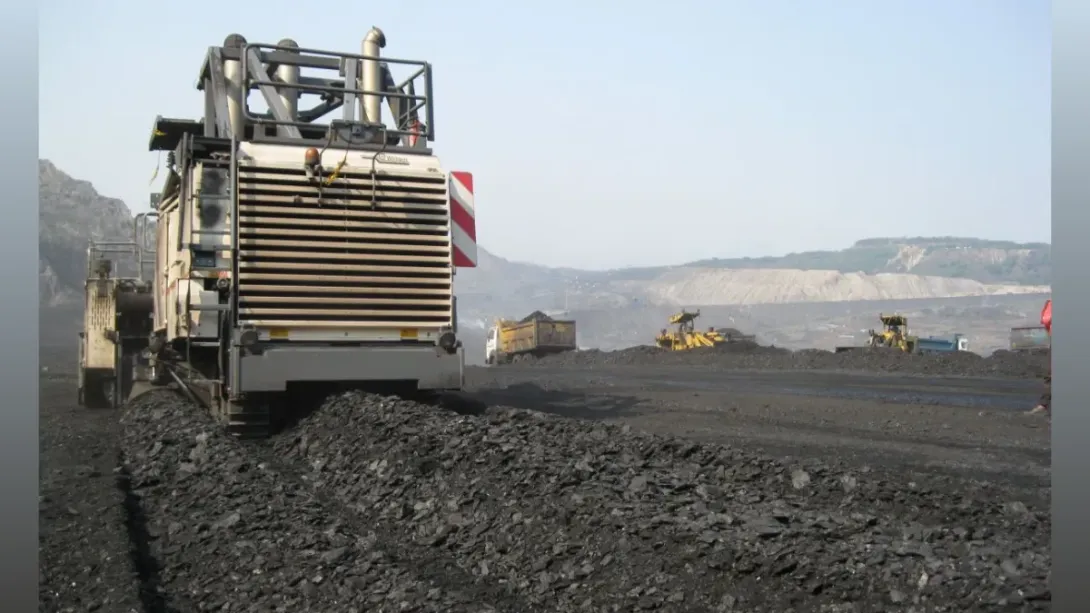
India’s coal production registered a minor decline in the April–August period, totaling 381.75 million tonnes (MT). The dip, though modest, comes at a time when energy demand continues to rise across the country, placing pressure on supply chains and power producers. While output remains strong compared to historic levels, the slowdown underscores the challenges of balancing production targets with operational and environmental constraints. The figures highlight the importance of ongoing diversification in India’s energy mix, as policymakers work to ensure both energy security and sustainability in one of the world’s fastest-growing economies.
Marginal Decline in Output
The coal sector reported production of 381.75 MT between April and August, reflecting a slight dip compared to the same period last year. The decline can be attributed to intermittent disruptions in mining operations, logistical bottlenecks, and weather-related challenges during the monsoon months. Although the contraction is not substantial, it signals the need for enhanced efficiency in both extraction and transportation to meet the rising requirements of power plants and industries.
Rising Energy Demand
India’s electricity consumption has been climbing steadily, driven by industrial expansion, urban growth, and seasonal demand spikes. Coal, which accounts for nearly 70 percent of India’s power generation, remains central to meeting this demand. Even a marginal fall in production can intensify supply pressures, prompting higher imports or increased reliance on existing stockpiles. The latest figures highlight the delicate balance between demand acceleration and domestic production capacity.
Strategic Importance of Coal
Despite the global push toward cleaner energy, coal continues to anchor India’s energy ecosystem. Its availability and cost-effectiveness make it a critical resource for ensuring uninterrupted power supply. However, volatility in output exposes vulnerabilities, particularly for energy-intensive sectors such as steel, cement, and manufacturing. To mitigate risks, stakeholders are emphasizing better inventory management, enhanced logistics infrastructure, and accelerated investment in renewable alternatives.
Policy and Industry Response
Government and industry leaders have been working to streamline coal production through digital monitoring, improved mechanization, and new mine allocations. While these measures have boosted long-term capacity, short-term fluctuations remain difficult to avoid. The marginal dip during April–August underscores the importance of building resilience into production systems while also diversifying energy sources to reduce dependency on a single fuel.
Outlook
India’s coal output of 381.75 MT for April–August represents a temporary slowdown rather than a structural weakness. With seasonal disruptions behind, production is expected to recover in the latter half of the year. However, the episode reinforces the urgency of a two-pronged approach: securing adequate coal supplies to meet immediate demand, while simultaneously accelerating the transition toward renewable energy. How effectively India manages this balancing act will shape not only its energy security but also its long-term economic and environmental trajectory.
Comments