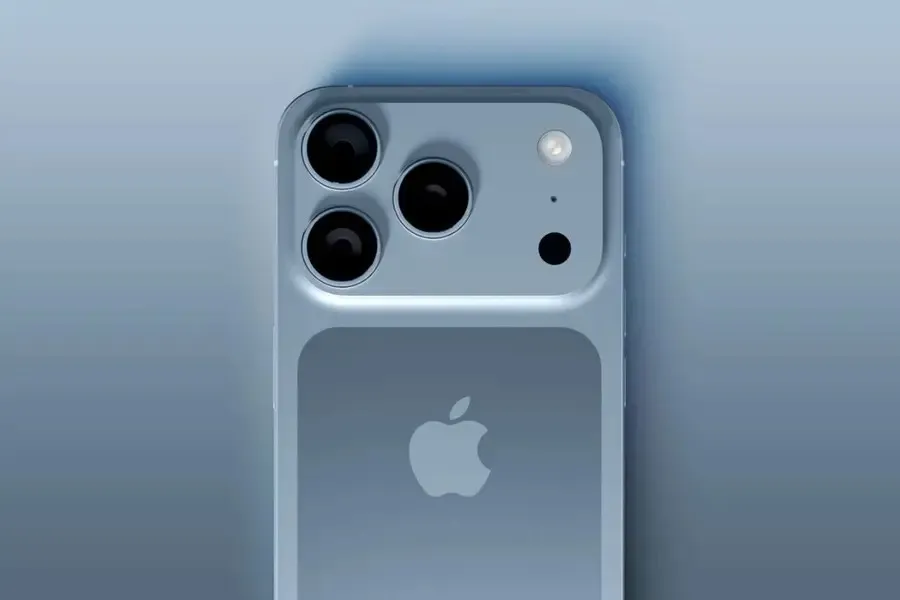
Apple is preparing to unveil iOS 26, its next-generation mobile operating system, which is expected to bring a series of groundbreaking design enhancements and usability improvements. With a focus on personalization, efficiency, and seamless integration across devices, iOS 26 will introduce a refreshed interface, advanced AI-driven features, and tools designed to optimize both productivity and entertainment. This update is a critical component of Apple’s broader strategy to maintain its competitive edge amid intensifying global competition, offering users a more immersive and streamlined experience while reinforcing Apple’s reputation for innovation in mobile technology.
A Major Step Forward in iOS Evolution
Since the debut of the original iPhone, Apple has consistently redefined mobile software design, setting industry benchmarks with each iteration of iOS. With iOS 26, the company aims to push these boundaries further by introducing an entirely reimagined interface that prioritizes user-centric design and accessibility.
The update is expected to feature enhanced customization options, allowing users to personalize their devices more extensively than ever before. This includes advanced widget functionality, dynamic wallpapers, and flexible home screen layouts that adapt intuitively to individual usage patterns.
New Design Philosophy and User Interface
Apple’s design team has reportedly overhauled key elements of the interface to create a more modern and cohesive visual experience.
Key highlights of the new design include:
Minimalist Aesthetics: Cleaner visuals with refined typography and subtle animations for a premium look and feel.
Adaptive Themes: A new dynamic theming engine that automatically adjusts color schemes based on time of day, app usage, and environmental factors.
Revamped Control Center: A streamlined, customizable control hub with expanded shortcuts and gesture-based navigation.
Advanced Widgets: Interactive widgets with real-time data updates, offering greater functionality directly from the home screen.
These enhancements aim to improve usability while maintaining Apple’s signature balance of simplicity and sophistication.
AI-Powered Features for a Smarter Experience
Artificial intelligence will play a central role in iOS 26, reinforcing Apple’s push toward context-aware computing.
Some anticipated AI-driven capabilities include:
Predictive Suggestions: The OS will proactively recommend apps, tasks, and settings based on user behavior.
Smart Battery Management: AI-powered optimization to extend battery life without compromising performance.
Personalized Notifications: Intelligent grouping and prioritization of alerts to reduce digital clutter.
Voice Interaction Enhancements: Improved Siri capabilities with natural language understanding and broader device control integration.
This strategic focus on AI reflects a wider industry trend as companies compete to deliver highly personalized and efficient mobile experiences.
Privacy and Security Enhancements
With rising concerns over data privacy and cybersecurity, Apple is expected to reinforce its reputation as a privacy-first technology company.
iOS 26 is rumored to introduce:
Expanded App Tracking Controls: Allowing users to manage permissions with greater precision.
Secure Data Vaults: Enhanced protection for sensitive information such as passwords and payment credentials.
Real-Time Threat Detection: AI-based monitoring to prevent phishing and malware attacks.
These features align with Apple’s longstanding stance on user privacy and could further differentiate its ecosystem from competitors.
Cross-Device Integration and Ecosystem Growth
Apple’s ecosystem strategy has always been a key driver of its financial success, and iOS 26 will deepen integration across devices such as Macs, iPads, and Apple Watch.
Some expected improvements include:
Seamless Handoff Features: Start tasks on one device and complete them on another without interruption.
Unified Messaging Experience: Enhanced continuity between iMessage, FaceTime, and third-party messaging apps.
Expanded Smart Home Integration: Greater control of connected devices through the Home app, powered by Apple’s HomeKit platform.
This interconnected ecosystem is designed to strengthen brand loyalty while boosting revenue through services and hardware upgrades.
Market Impact and Competitive Landscape
The release of iOS 26 will arrive at a time when Apple faces growing competition from Android manufacturers and other tech giants entering the mobile space.
By introducing a visually refreshed OS with cutting-edge features, Apple aims to:
Drive iPhone Upgrade Cycles: Encourage existing users to adopt new hardware compatible with iOS 26.
Expand Services Revenue: Leverage the updated interface to promote subscriptions such as Apple Music, Apple TV+, and iCloud+.
Maintain Brand Leadership: Reinforce Apple’s image as a premium innovator amid a crowded smartphone market.
Industry analysts predict that the launch of iOS 26 could significantly influence Apple’s revenue in the upcoming fiscal year, particularly in emerging markets where smartphone adoption continues to rise.
Expected Release Timeline and Device Compatibility
While Apple has not officially confirmed a release date, historical patterns suggest that iOS 26 will be announced during Apple’s Worldwide Developers Conference (WWDC), typically held in June, followed by a public rollout in September alongside new iPhone models.
Compatibility is expected to extend to a wide range of devices, though older iPhone models may receive limited feature sets due to hardware constraints.
Conclusion: Setting the Stage for the Future of Mobile Computing
The unveiling of iOS 26 represents more than just another software update — it is a strategic move that encapsulates Apple’s vision for the future of mobile technology.
By combining cutting-edge design, AI-driven intelligence, and enhanced privacy features, Apple is positioning itself to meet the evolving demands of a global user base while navigating competitive and regulatory challenges.
As the world awaits its official debut, iOS 26 is poised to redefine how millions of users interact with their devices, reinforcing Apple’s role as a pioneer in both innovation and user experience.
Comments