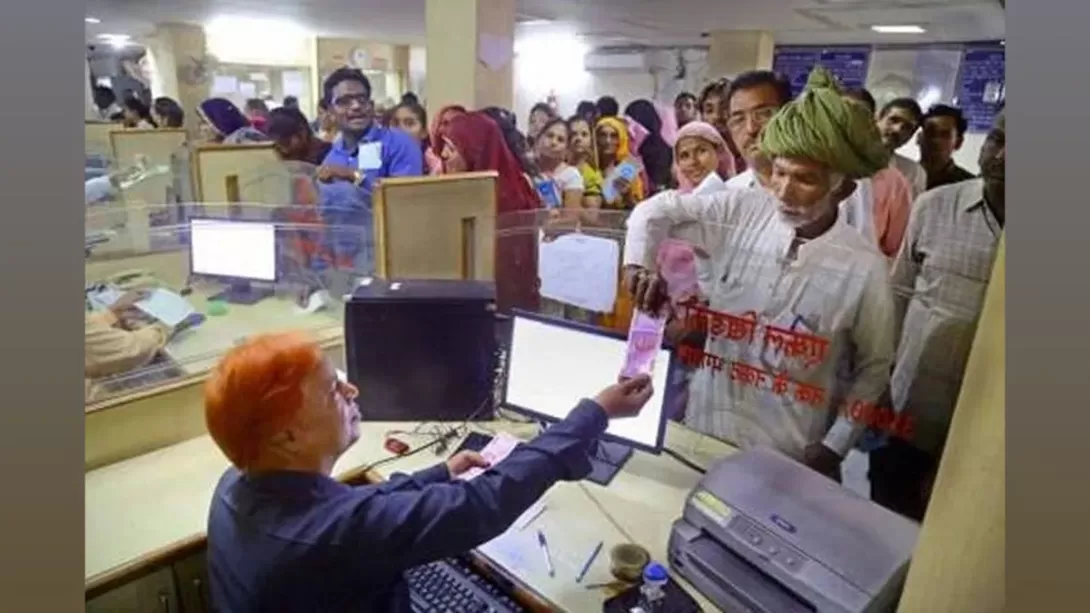
The Indian government has moved forward with an ambitious consolidation plan for Regional Rural Banks (RRBs), aiming to streamline operations, improve efficiency, and enhance the financial health of these institutions. Beginning in May 2026, 15 RRBs across 11 states will merge into single entities, reducing the total number of such banks from 43 to 28. This step, part of the government’s long-term vision, promises improved cost rationalization and more effective service to rural populations. With the sector showing record profits and rising capital adequacy, this consolidation is expected to further strengthen India’s rural banking ecosystem.
Strategic Consolidation to Enhance Efficiency
The finance ministry’s recent notification regarding the consolidation of 15 Regional Rural Banks (RRBs) across 11 states marks a transformative shift in India’s rural banking landscape. By reducing the total number of RRBs from 43 to 28, this consolidation seeks to optimize operational efficiency. The objective is to create stronger, more financially stable banks with the ability to cater to the needs of rural populations more effectively. The government is pushing for the 'one state, one RRB' model, aiming to create a more streamlined banking infrastructure that benefits both the institutions and the communities they serve.
Merging RRBs Across States: A Breakdown
The merging process will see the formation of a single RRB in each of the 11 states involved. This includes some of the country’s most populous states, such as Uttar Pradesh, West Bengal, and Maharashtra. Here’s a brief overview of the state-specific mergers:
- Andhra Pradesh: Four banks, including Chaitanya Godavari Grameena Bank and Andhra Pradesh Grameena Vikas Bank, will merge to form the Andhra Pradesh Grameena Bank, sponsored by Union Bank of India.
- Uttar Pradesh: Three RRBs will be amalgamated into Uttar Pradesh Gramin Bank, under the sponsorship of Bank of Baroda.
- West Bengal: The merger of Bangiya Gramin Vikash, Paschim Banga Gramin Bank, and Uttarbanga Kshetriya Gramin Bank will form West Bengal Gramin Bank, sponsored by Punjab National Bank.
In addition to these larger mergers, smaller consolidations will take place in states like Gujarat, Jammu & Kashmir, and Bihar. The head offices for the new entities will be located strategically in each state, making them more centralized and accessible to customers.
Capital Infusion and Historic Profitability
The consolidation is supported by a significant capital infusion, a decision that has already borne fruit. In 2021-22, the Centre allocated Rs 5,445 crore in capital to bolster RRBs, ensuring their growth and stability. This has played a crucial role in the improved financial performance seen in 2023-24. The RRB sector posted an all-time high consolidated net profit of Rs 7,571 crore, while the capital adequacy ratio reached an impressive 14.2% as of March 31, 2024. Furthermore, the Gross Non-Performing Assets (GNPA) ratio stood at 6.1%, marking the lowest level in the past decade.
These positive financial indicators are expected to continue as the consolidation process progresses, providing more robust financial backing for rural lending and other essential services.
Revamping the Structure of RRBs
The restructuring initiative is part of a broader effort that began in 2004-05, which has already reduced the number of RRBs from 196 to 43. These institutions, created under the Regional Rural Banks Act of 1976, were designed to provide credit and financial services to small farmers, agricultural laborers, and artisans in rural areas. The consolidation aims to further streamline these institutions, making them more efficient and capable of providing a wider range of services.
A significant change in the regulatory framework came with the 2015 amendment to the RRB Act, which allowed these banks to raise capital from non-government sources. This has made them more flexible in managing their finances and growth. The government continues to hold a dominant share, with 50% of RRB stakes, while sponsor banks and state governments hold the remaining equity.
Implications for the Rural Economy and Banking Access
The consolidation of RRBs holds several implications for the rural economy. It is expected that a smaller number of more efficient banks will lead to better financial inclusion, improved access to credit, and more robust support for agricultural and small-scale industries in rural regions. Additionally, the increased emphasis on digital services and technological adoption will enable rural customers to access banking services more easily and securely, further bridging the gap between rural and urban financial systems.
A Stronger, More Unified Future for RRBs
As the amalgamation process progresses, the rural banking sector in India is poised for a new phase of growth. The focus on strengthening operational efficiencies, improving asset quality, and enhancing capital reserves will position RRBs as a vital pillar of rural development. The establishment of a 'one state, one RRB' model reflects a shift toward more effective governance and operational streamlining, aligning with India’s broader goals of economic development and financial inclusion.
This strategic consolidation is not just about cutting costs; it is about ensuring that the regional rural banking system becomes a more resilient, capable, and modern entity. The forthcoming changes will have long-lasting effects on the economy, providing rural areas with better financial support and more opportunities for growth.
Conclusion
The government’s decision to consolidate Regional Rural Banks across India is a crucial step toward strengthening the rural banking system. With the reduction in the number of RRBs and the infusion of capital, these banks are poised to offer more efficient and expansive services to rural populations. As the country moves toward a more unified model, the long-term benefits of these reforms will not only strengthen the RRBs but also empower rural communities across the nation. The future looks promising for India's rural financial ecosystem, especially as the adoption of technology continues to grow and expand access to banking services.
Comments