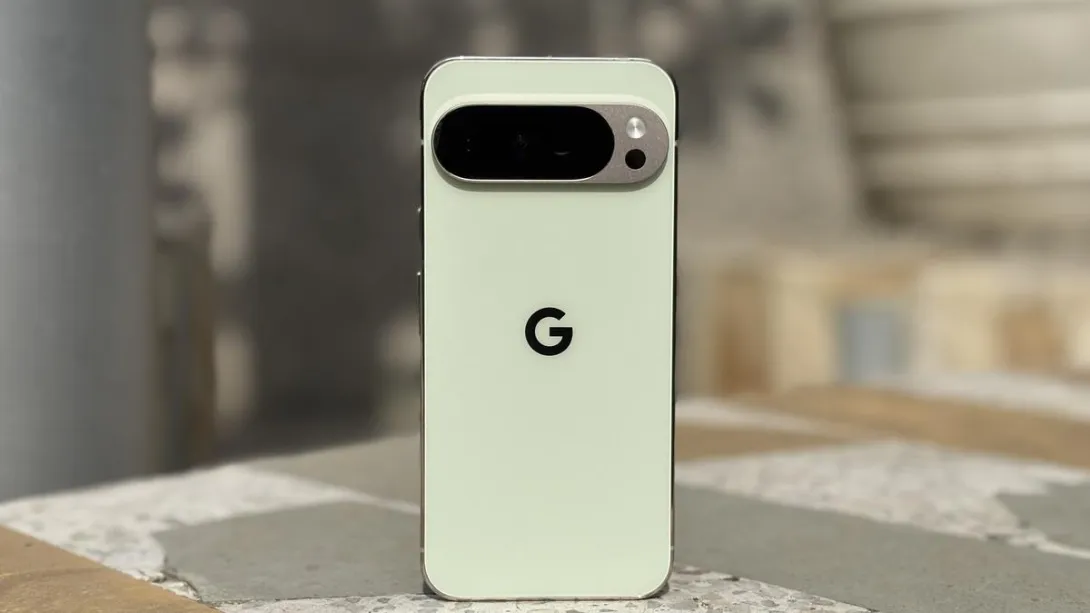
Google’s Pixel 10 series is making headlines for its deep integration of artificial intelligence, signaling a shift in how smartphones blend hardware performance with intelligent software capabilities. Early reviews suggest that AI-driven features such as real-time photo enhancement, predictive typing, adaptive battery management, and context-aware notifications elevate user experience to new levels. With upgraded processing power, refined cameras, and a streamlined interface, the Pixel 10 series aims to strengthen Google’s foothold in the premium smartphone market. Analysts believe this combination of AI and mobile technology positions Google to compete aggressively with Apple, Samsung, and emerging AI-centric brands.
AI-Powered Photography and Imaging
One of the standout elements of the Pixel 10 series is its AI-enhanced camera suite. Leveraging advanced computational photography algorithms, the device can automatically adjust exposure, optimize low-light conditions, and generate professional-grade images in real time. Features like Magic Eraser, real-time object recognition, and AI-assisted portrait effects enable users to capture moments with unprecedented clarity and convenience. This focus on intelligent imaging reinforces Google’s strategy of differentiating its flagship devices through software innovation.
Performance, Battery, and User Experience
The Pixel 10 series is powered by Google’s latest Tensor chipset, designed to seamlessly integrate AI capabilities with core processing tasks. Enhanced RAM management and adaptive battery technology optimize energy consumption based on user habits, improving overall device longevity. Additionally, context-aware notifications, predictive app suggestions, and real-time language translation provide a smarter, more personalized mobile experience that anticipates user needs.
Market Positioning and Competitive Edge
With competitors like Apple’s iPhone 16 series and Samsung Galaxy S25 introducing AI-powered features, Google is leveraging its software ecosystem as a strategic differentiator. By emphasizing AI-driven functionality and user-centric design, the Pixel 10 series aims to capture premium market share while appealing to consumers who prioritize intelligent technology over hardware specifications alone. Early reviews indicate that the combination of AI, camera innovation, and Google ecosystem integration strengthens its value proposition.
Business and Industry Implications
The AI integration in Pixel 10 devices also has implications beyond consumer appeal. It underscores Google’s broader strategy of embedding AI across products, encouraging developers to build AI-enhanced apps and services within the Android ecosystem. Analysts suggest that successful adoption could boost device sales, expand cloud service usage, and reinforce Google’s competitive positioning in the fast-evolving smartphone market.
Outlook: AI as a Defining Feature
The Pixel 10 series demonstrates that artificial intelligence is no longer a supplementary feature but a core differentiator in premium smartphones. By combining intelligent software with high-performance hardware, Google is setting a benchmark for what consumers can expect from next-generation devices. If the initial reception translates into strong sales, the Pixel 10 series may define a new era of AI-first mobile experiences.
Comments