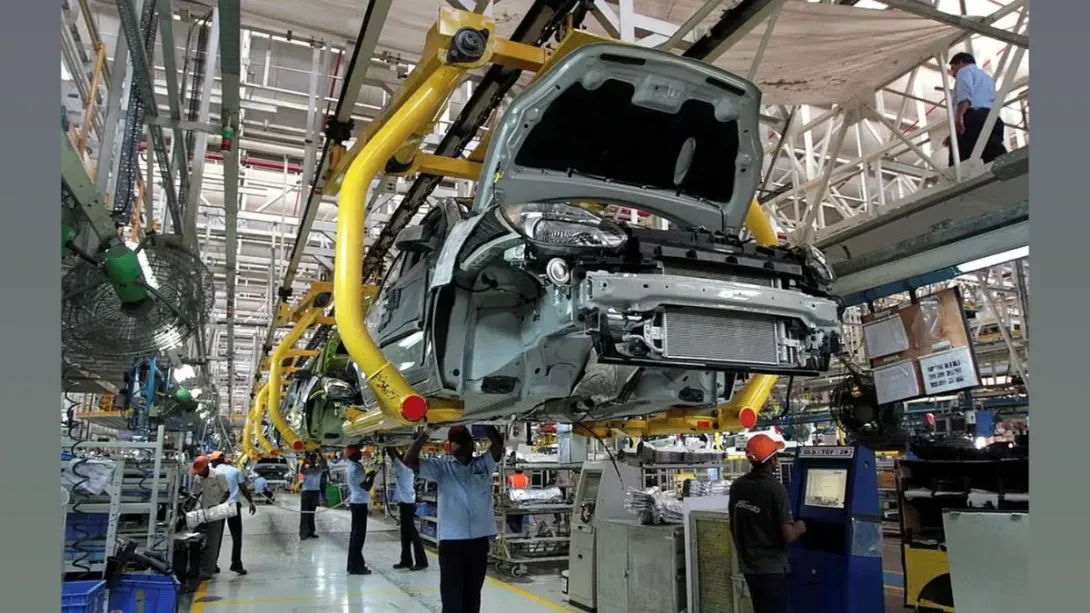
India’s automotive sector is projected to emerge as the largest globally within the next five years, driven by robust domestic demand, rapid urbanization, and government-backed infrastructure initiatives. Analysts highlight strong growth in passenger vehicles, commercial vehicles, and electric mobility, coupled with increasing exports to international markets. The industry’s expansion is expected to generate substantial employment, attract foreign investments, and accelerate technological innovation, particularly in electric vehicles (EVs) and hybrid technologies. Strategic policy measures, including incentives for EV adoption and localized manufacturing, further bolster India’s position as a global automotive hub, signaling transformative growth in the sector.
---
Domestic Market Expansion
The domestic automotive market is witnessing unprecedented growth due to:
Rising Middle-Class Demand: Increased disposable income driving private vehicle purchases.
Urbanization: Expansion of cities and infrastructure fueling demand for personal and commercial vehicles.
Policy Support: Government initiatives promoting local manufacturing and infrastructure development.
Passenger vehicles are expected to dominate growth, supported by affordable offerings and financing schemes catering to a broader consumer base.
---
Electric and Hybrid Vehicle Adoption
EVs and hybrid vehicles are emerging as key growth segments:
Government Incentives: Subsidies, tax breaks, and charging infrastructure initiatives.
Technological Investments: Domestic manufacturers investing in battery technology and vehicle electrification.
Environmental Focus: Rising awareness and regulations promoting low-emission vehicles.
Industry experts suggest that EV adoption will not only transform the automotive market but also position India as a global leader in sustainable mobility solutions.
---
Export Potential and Global Competitiveness
India’s automotive industry is strengthening its global footprint:
Exports: Growing demand for Indian-manufactured vehicles in emerging and developed markets.
Competitive Costs: Lower production costs compared to many international markets, making India an attractive manufacturing hub.
Technological Advancements: Collaboration with global automotive firms to enhance quality and innovation.
These factors contribute to India’s potential to surpass established markets such as the U.S., China, and Europe in total automotive output and sales.
---
Economic and Employment Impact
The sector’s growth trajectory is expected to create significant economic benefits:
Job Creation: Expansion across manufacturing, logistics, and after-sales services.
Investment Attraction: Opportunities for foreign and domestic investors to participate in high-growth segments.
Supply Chain Development: Growth of ancillary industries, including auto components, batteries, and electronics.
The multiplier effect of a thriving automotive sector will positively influence related industries and regional economies.
---
Strategic Outlook
India’s emergence as the world’s number one automotive market is underpinned by a combination of domestic demand, supportive policy, and technological innovation. Continued focus on electric mobility, exports, and infrastructure development will solidify India’s position as a global automotive powerhouse, driving sustainable growth and enhancing the country’s industrial competitiveness.
Comments