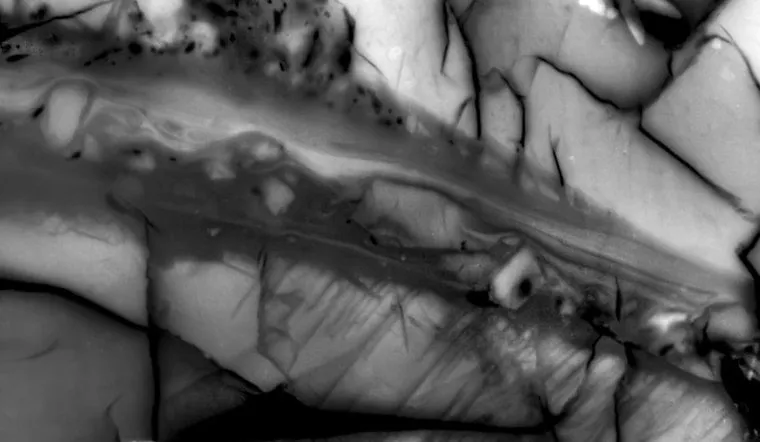
A recent study by MIT geologists has provided groundbreaking insights into the energy distribution during earthquakes. Through controlled laboratory simulations, known as "lab quakes," the researchers quantified how seismic energy is partitioned among heat generation, ground shaking, and rock fracturing. Their findings indicate that approximately 80% of the energy is converted into heat, a stark contrast to the mere 10% responsible for ground shaking. This research not only enhances our understanding of earthquake mechanics but also holds potential implications for seismic risk assessments and mitigation strategies.
Introduction
Earthquakes are among nature's most formidable forces, releasing vast amounts of energy as tectonic plates shift and slip. Traditionally, the focus has been on the seismic waves—the ground shaking—that are felt during an earthquake. However, recent research by geologists at the Massachusetts Institute of Technology (MIT) has shifted attention to the broader energy dynamics at play during seismic events. By conducting controlled laboratory simulations, the team has uncovered new insights into how energy is distributed during earthquakes.
The Lab Quake Experiment
To investigate earthquake energy distribution, the MIT team developed "lab quakes"—miniature, controlled versions of natural earthquakes. These experiments were conducted using small samples of granite, a rock representative of those found in Earth's seismogenic layer, approximately 10 to 20 kilometers below the surface. The granite was ground into a fine powder and mixed with magnetic particles, which served as internal temperature sensors. The samples were then subjected to increasing pressure until they slipped, simulating the fault movement during an earthquake.
Advanced instrumentation, including custom-made piezoelectric sensors and magnetic field detectors, allowed the researchers to measure the heat generated, the amount of ground shaking, and the extent of rock fracturing during each lab quake. This comprehensive approach enabled a detailed analysis of the energy partitioning within each simulated seismic event.
Energy Distribution Findings
The results of the lab quake experiments revealed a significant disparity in how earthquake energy is utilized:
Heat Generation: Approximately 80% of the energy was converted into heat, raising temperatures in the fault zone to levels sufficient to melt the surrounding rock.
Ground Shaking: Only about 10% of the energy resulted in the seismic waves that cause the ground to shake.
Rock Fracturing: Less than 1% of the energy went into breaking the rock and creating new surfaces.
These findings challenge the conventional perception that ground shaking is the predominant energy release during an earthquake. Instead, they highlight the significant role of heat generation and rock melting in the overall energy budget of seismic events.
Implications for Seismic Risk Assessment
Understanding the distribution of energy during earthquakes has important implications for seismic risk assessment and mitigation strategies. The intense heat generated during an earthquake can lead to the melting and weakening of rocks, potentially altering the fault's behavior and affecting the likelihood of future seismic events. By incorporating these new insights into models of earthquake dynamics, scientists can develop more accurate predictions of seismic hazards and better inform preparedness efforts.
Furthermore, the study underscores the importance of considering factors beyond ground shaking when evaluating earthquake impacts. The heat and rock fracturing associated with seismic events can have significant consequences for infrastructure, ecosystems, and human populations, necessitating a more comprehensive approach to risk assessment.
Conclusion
The MIT geologists' study represents a significant advancement in our understanding of earthquake mechanics. By revealing that the majority of earthquake energy is dissipated as heat rather than through ground shaking, the research provides a more nuanced perspective on seismic events. These findings have the potential to inform future earthquake models, enhance risk assessments, and guide mitigation strategies, ultimately contributing to a safer and more resilient society.
Comments