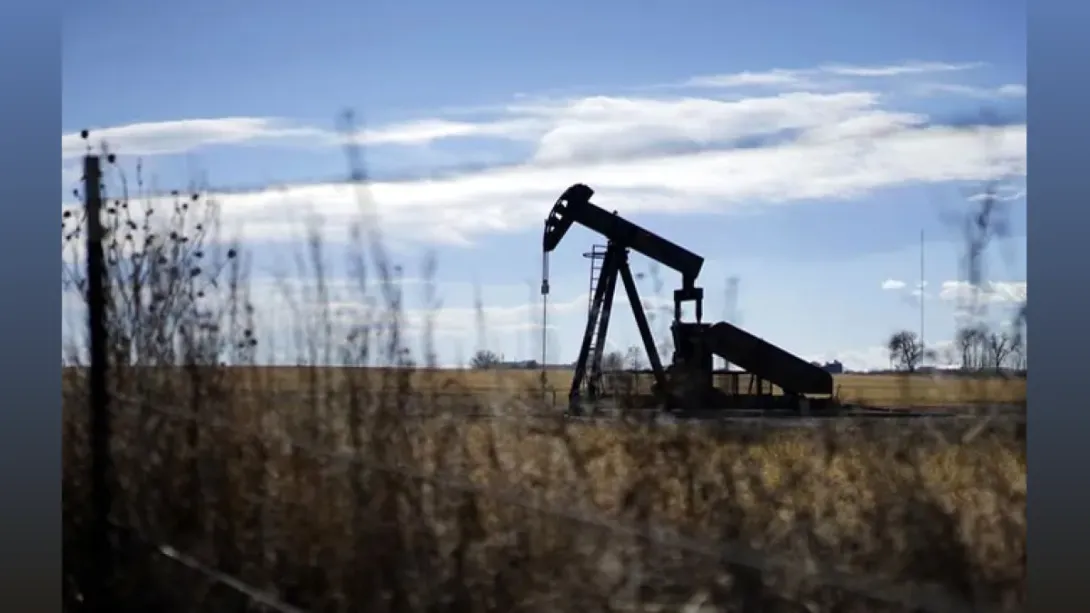
Crude oil futures witnessed an upward trajectory as spot market demand strengthened, reflecting tighter supplies and robust consumption patterns. Traders cited increasing industrial activity, rising transportation needs, and geopolitical developments as key drivers behind the surge. The uptick in futures prices mirrors global market sentiment, with investors recalibrating expectations for supply-demand balances and inflationary pressures. Analysts suggest that sustained spot demand, coupled with production adjustments by major oil-exporting nations, could maintain elevated prices in the near term. This development underscores the sensitivity of energy markets to both physical consumption trends and strategic geopolitical factors, impacting global commodities and downstream industries.
Spot Market Dynamics
The recent rally in crude oil futures is closely linked to strengthening spot demand:
Industrial Consumption: Expanding manufacturing activity has fueled increased oil requirements.
Transportation Sector: Higher fuel consumption due to seasonal travel and logistics demand.
Supply Constraints: Production limits from key exporters and logistical bottlenecks tighten available supply.
Market participants note that spot market trends often act as a leading indicator for futures pricing, signaling investor expectations for near-term supply-demand imbalances.
Futures Market Response
Crude oil futures reflected the spot demand momentum through:
Price Increases: Benchmark contracts rose on both domestic and international exchanges.
Volatility Considerations: Increased speculative and hedging activity contributed to short-term price swings.
Liquidity Effects: Higher trading volumes in futures markets signal renewed investor confidence in energy commodities.
Analysts emphasize that futures markets are highly responsive to physical market cues, geopolitical developments, and macroeconomic indicators.
Geopolitical and Global Influences
Global factors continue to shape crude oil price dynamics:
OPEC+ Production Policies: Decisions to maintain or reduce output affect global supply expectations.
Geopolitical Tensions: Instability in key oil-producing regions can lead to supply uncertainties and price volatility.
Economic Indicators: Stronger global economic data boosts industrial energy consumption forecasts, supporting higher crude valuations.
These influences amplify market sensitivity, highlighting the interconnected nature of global energy markets.
Implications for Domestic Markets and Consumers
Rising crude oil futures may have downstream effects on India’s energy landscape:
Petroleum Product Prices: Elevated crude prices could increase retail fuel costs, affecting transportation and logistics sectors.
Inflationary Pressures: Higher fuel costs contribute to broader consumer price inflation, influencing household budgets.
Refinery Margins: Oil refiners may experience margin adjustments depending on hedging strategies and procurement costs.
Policymakers and industry players monitor these developments closely to balance supply security with consumer affordability.
Investor and Industry Outlook
Market analysts suggest that:
Sustained spot demand and tight supply conditions could keep crude oil futures buoyant in the short term.
Hedging strategies and derivative market activity will be critical for downstream companies to manage cost volatility.
Strategic reserves and energy diversification initiatives may mitigate the impact of price fluctuations on domestic markets.
Investors are advised to remain vigilant to both physical demand signals and macroeconomic indicators, as these will dictate future price movements.
Conclusion: Energy Market Sensitivities
The recent rise in crude oil futures underscores the direct linkage between spot demand and derivative market pricing, reflecting broader economic and geopolitical dynamics. While industrial and transportation demand strengthens, supply constraints and global policy decisions continue to influence market sentiment.
For investors, businesses, and policymakers, understanding these interconnections is essential to navigate volatility, optimize procurement, and ensure energy security, reinforcing the critical role of crude oil as a barometer of global economic activity.
Comments