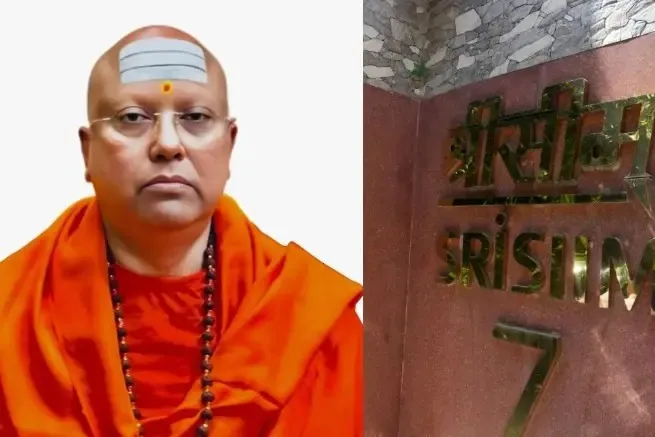
Swami Chaitanyananda Saraswati, a well-known spiritual figure in India, has come under intense public scrutiny following allegations of sexual harassment. Multiple complainants have come forward accusing the spiritual leader of misconduct, prompting law enforcement and regulatory authorities to initiate formal investigations. The allegations have sparked nationwide debates on accountability and ethics within spiritual institutions. Religious followers and the general public are closely monitoring developments, reflecting broader concerns about safeguarding devotees and ensuring transparency in religious organizations. The unfolding situation highlights the intersection of faith, social responsibility, and legal oversight.
Background on Swami Chaitanyananda Saraswati
Swami Chaitanyananda Saraswati has long been recognized for his spiritual teachings and leadership in several religious and charitable initiatives across India. His influence extends to numerous ashrams and social programs, where he has cultivated a significant following over the years. The current allegations challenge his reputation, raising questions about the ethical framework within spiritual circles and the mechanisms available for accountability.
Details of the Allegations
Sources indicate that the complaints against Swami Chaitanyananda Saraswati involve inappropriate conduct toward women under his tutelage. The accusations have been lodged with law enforcement, and formal proceedings are underway to examine the veracity of these claims. While investigations continue, the swami has not publicly addressed the allegations, leaving his followers and the general public seeking clarity on the matter.
Response from Authorities and Community
Authorities have confirmed that they are taking the complaints seriously and have begun probing the allegations. Meanwhile, various community and religious groups have expressed concern, emphasizing the need for transparency and protection of individuals within spiritual institutions. Legal experts note that these proceedings could set important precedents for how allegations of misconduct are addressed in religious contexts.
Implications and Public Discourse
The allegations against Swami Chaitanyananda Saraswati have reignited conversations about accountability in spiritual organizations. Public discourse now increasingly centers on the balance between faith and ethical oversight, highlighting the necessity for clear reporting mechanisms, regulatory vigilance, and a culture of transparency. The case serves as a reminder of the responsibilities spiritual leaders carry toward their followers and society at large.
Comments