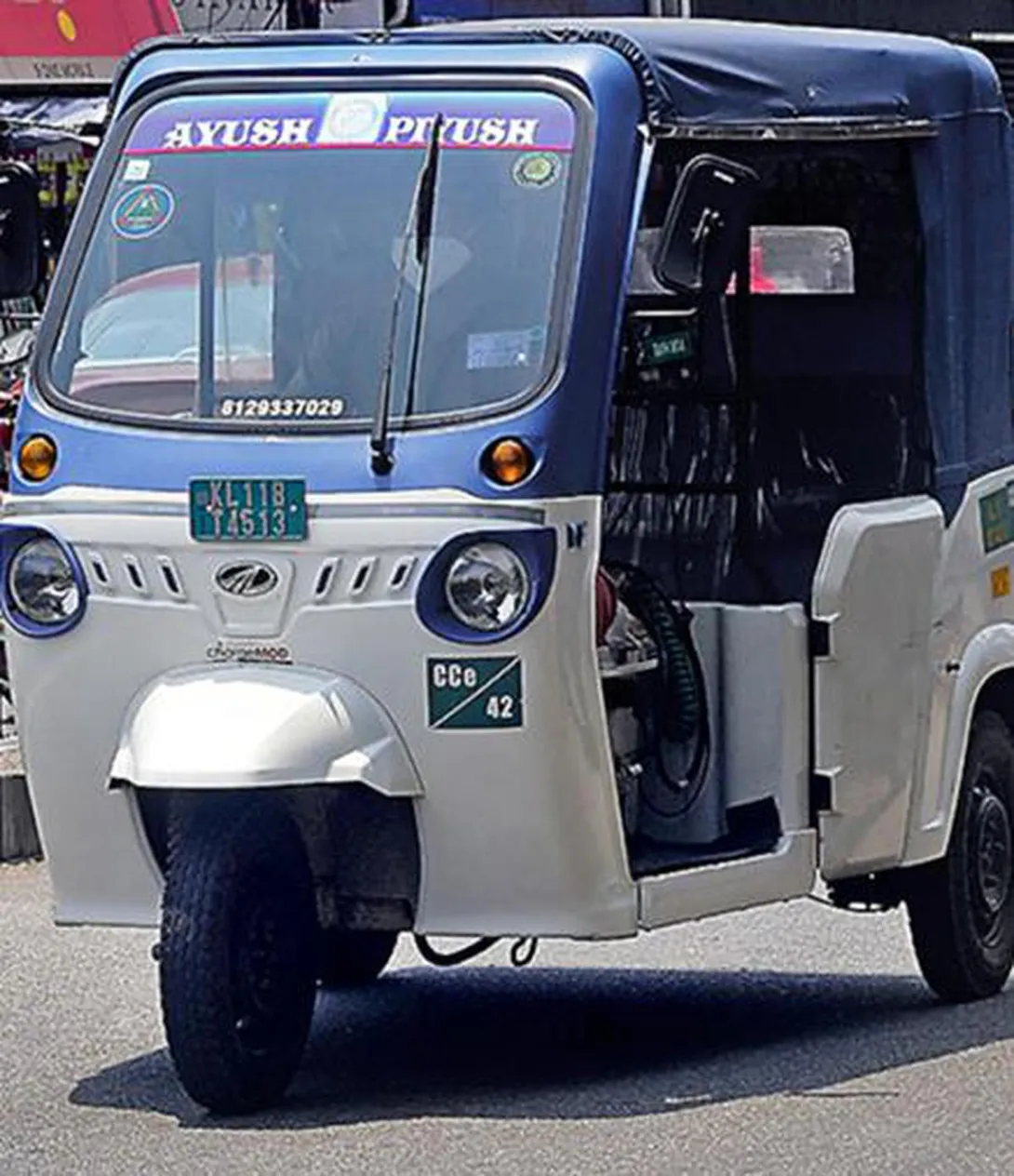
The Indian government has announced a landmark regulation mandating Acoustic Vehicle Alert Systems (AVAS) in all new electric passenger and goods vehicles by October 1, 2026, with existing models required to comply by October 1, 2027. This initiative aims to address the safety risks posed by the near-silent operation of electric vehicles (EVs), particularly for pedestrians and the visually impaired. While two- and three-wheelers are exempt, the mandate aligns India with global safety standards and underscores the country’s commitment to both sustainable mobility and pedestrian protection.
Regulatory Overview
India’s Ministry of Road Transport and Highways (MoRTH) has issued a draft notification introducing AVAS for electric vehicles. The system generates artificial sounds at low speeds to alert pedestrians of the approaching vehicle, effectively mitigating the risks associated with EVs’ quiet operation.
Implementation Timeline:
New electric passenger and goods vehicles: From October 1, 2026.
Existing electric vehicles: Compliance required by October 1, 2027.
Technical Standards: AVAS must comply with the AIS-173 standards, which specify audibility and sound frequency requirements.
Scope and Exemptions
Notably, the regulation excludes electric two-wheelers, three-wheelers, and e-rickshaws. Authorities have cited differences in operational characteristics and vehicle usage as potential reasons for this exemption, though safety advocates have raised concerns about the exclusion due to similar pedestrian risks posed by these vehicles.
Safety Rationale
Research globally indicates that EVs, particularly at low speeds, are significantly harder for pedestrians to detect compared to traditional combustion vehicles. Studies, including reports from the U.S. Department of Transportation, have shown that the silent operation of EVs can increase pedestrian accident risk by up to 20%, and even higher for visually impaired individuals. AVAS provides an essential safeguard to reduce such incidents.
Global Context
India’s policy mirrors international standards:
United States: NHTSA requires all hybrid and electric vehicles to emit sounds below 30 km/h.
European Union: AVAS compliance is mandatory for all new electric and hybrid vehicles since 2019.
Japan: Similar sound alert regulations are in place to ensure pedestrian safety.
This alignment positions India alongside global leaders in EV safety regulation.
Industry Implications
Automakers have generally welcomed the measure, recognizing its contribution to pedestrian safety. However, challenges remain regarding the technical integration of AVAS in existing EV models, potential cost implications, and design modifications. Manufacturers are expected to adapt vehicle production lines and incorporate AVAS systems in upcoming models.
Conclusion
The AVAS mandate represents a decisive step in enhancing road safety amid India’s rapid transition to electric mobility. By ensuring that silent EVs are detectable by pedestrians, the regulation safeguards vulnerable road users while reinforcing India’s commitment to international safety norms. The exclusion of two- and three-wheelers highlights an area for potential future regulatory expansion.
Comments