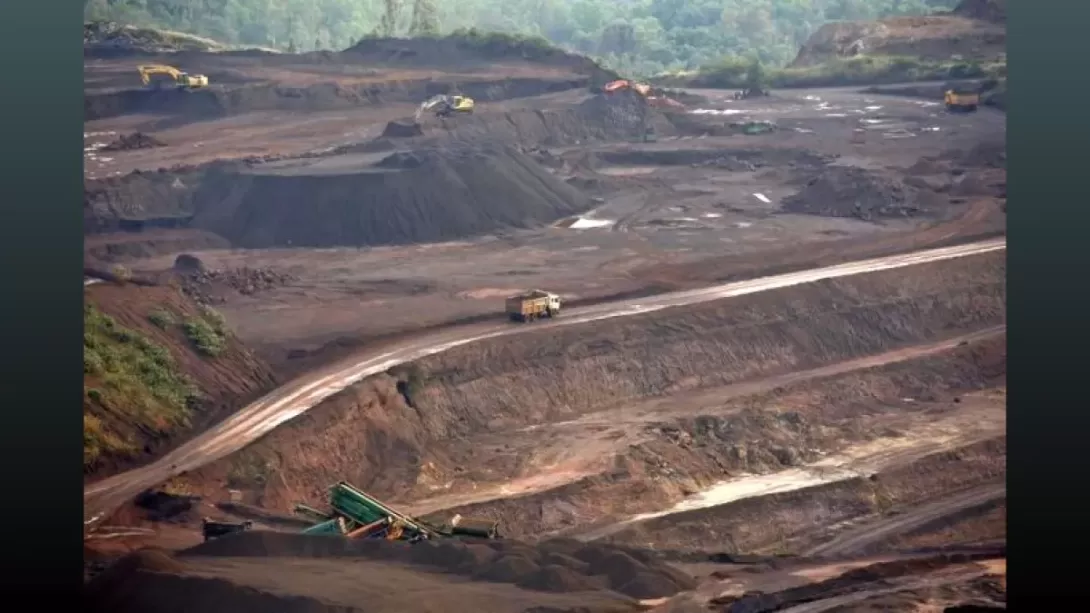
Prime Minister Narendra Modi, addressing the India Steel 2025 conclave, called on the steel industry to revitalize its approach to production by accelerating domestic mining of iron ore and embracing modern technological practices. Highlighting the sector’s strategic importance to India’s growth, the Prime Minister urged players to reduce dependency on imports, foster global collaborations, and pursue innovative solutions such as coal gasification. With an eye on long-term sustainability and national resilience, Modi emphasized the need for a forward-thinking industrial framework that can transform India into a globally competitive, self-reliant steel powerhouse.
India’s Steel Sector: A Strategic Imperative
Prime Minister Narendra Modi underscored the critical role of the steel industry in nation-building during his virtual address at the India Steel 2025 event. Describing the sector as pivotal to infrastructure and industrial growth, Modi stated that it must take a proactive stance in accelerating iron ore mining, particularly at unused greenfield sites, to support the growing demand for steel across sectors.
The call to action comes as India aims to expand its domestic steel production capacity, thereby strengthening economic resilience and reducing strategic vulnerabilities stemming from resource imports.
Reducing Import Dependence: A Core Focus
The Prime Minister expressed concern over the industry's continued dependence on imported raw materials, especially coal. To counter this reliance, he emphasized the exploration of domestic reserves and urged companies to embrace coal gasification technologies, which can significantly reduce the need for foreign-sourced fuel while aligning with India's carbon reduction commitments.
Modi also pointed out the importance of developing robust and diversified supply chains, noting that recent global disruptions have shown how critical resource security is to industrial continuity and economic stability.
Modernization and Innovation: The Path Ahead
In a forward-looking statement, the Prime Minister encouraged stakeholders to make the sector “future ready” by investing in cutting-edge technologies, advanced steel grades, and scalable manufacturing practices. He highlighted that embracing innovation is no longer optional—it is essential to remaining competitive on the global stage.
The vision includes not only upgrading existing facilities but also adopting environmentally sustainable practices and leveraging digital transformation to enhance efficiency and transparency across operations.
Global Partnerships and Market Leadership
Modi also called for the steel industry to strengthen international partnerships, both to secure access to global markets and to exchange technological know-how. This strategic positioning is intended to transform India into a net exporter of high-grade steel, thus reinforcing its image as a reliable global manufacturing hub.
He emphasized that mutual cooperation with international players and participation in global value chains will serve as catalysts in the country’s ambitions to become a world leader in steel production.
A Vision for a “Steel-Strong India”
Prime Minister Modi’s address culminated in a rallying cry for a “resilient, revolutionary, and steel-strong India.” This vision aligns with the government's broader goals under the Atmanirbhar Bharat (self-reliant India) initiative. The focus is not only on economic metrics but also on technological sovereignty, energy security, and sustainable development.
The roadmap laid out calls for collaboration between the public and private sectors, integration of research and development, and policy support to accelerate the transformation of India’s steel industry into a global leader.
Final Insight:
The steel sector stands at a crossroads—facing both the challenge of modernizing its legacy systems and the opportunity to redefine its future. With decisive leadership and strategic policy support, India's steel industry has the potential to become a cornerstone of national strength and global influence. Prime Minister Modi’s address serves as both a blueprint and a clarion call: the time to act is now.
Comments