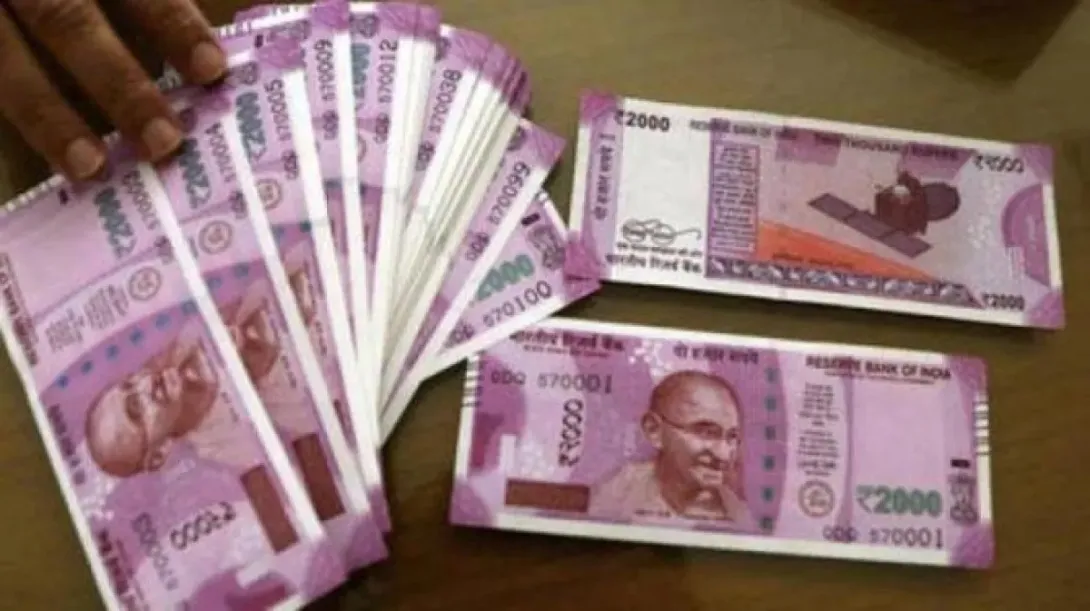
According to the latest data from the Reserve Bank of India (RBI), Rs 5,884 crore worth of Rs 2,000 currency notes remain in circulation, highlighting the continued reliance on high-denomination notes despite efforts to promote digital transactions and lower-value currency usage. Introduced in 2016 following demonetization, the Rs 2,000 note has gradually declined in prominence due to public preference for smaller denominations and electronic payments. Analysts note that the lingering circulation reflects both transactional and hoarding behaviors, as well as the role of high-denomination notes in liquidity management within India’s informal and formal economies.
Circulation Trends of Rs 2,000 Notes
The RBI data indicates that while the total value of Rs 2,000 notes in circulation has reduced significantly from initial issuance levels, a substantial amount—Rs 5,884 crore—remains active in the economy. This represents a minor fraction of overall currency circulation but underscores persistent demand for high-denomination notes for specific transactions, bulk cash requirements, and savings outside formal banking channels.
Factors Influencing Continued Usage
Several factors contribute to the continued presence of Rs 2,000 notes:
Liquidity Needs: Businesses and individuals occasionally prefer high-denomination notes for bulk transactions to minimize handling and storage.
Informal Economy: Cash-intensive sectors, including agriculture and retail, rely on physical currency for daily operations.
Hoarding Behavior: Some households retain high-value notes for emergency funds or savings, contributing to slower recirculation.
Impact on Monetary Policy and Banking
The circulation of high-denomination notes has implications for monetary policy and banking operations. RBI officials note that reducing reliance on large notes can enhance transaction transparency, improve tax compliance, and strengthen formal financial channels. However, the existing stock continues to provide flexibility for liquidity management, especially in rural and semi-urban regions where digital penetration remains uneven.
Digital Payment Adoption
Despite the lingering circulation, digital payment adoption is steadily rising across India. UPI transactions, card payments, and mobile wallets have increased, gradually reducing dependence on high-denomination notes. Analysts expect the role of Rs 2,000 notes to diminish further as the digital ecosystem expands and public awareness of cashless alternatives grows.
Conclusion: Gradual Phase-Out Expected
The RBI’s data on Rs 2,000 notes indicates a controlled, gradual decline in high-denomination cash usage. While Rs 5,884 crore remains in circulation, ongoing policy measures and digital payment adoption are likely to reduce reliance on such notes over time. The evolution reflects India’s broader transition toward a more transparent, efficient, and digital-friendly currency environment.
Comments