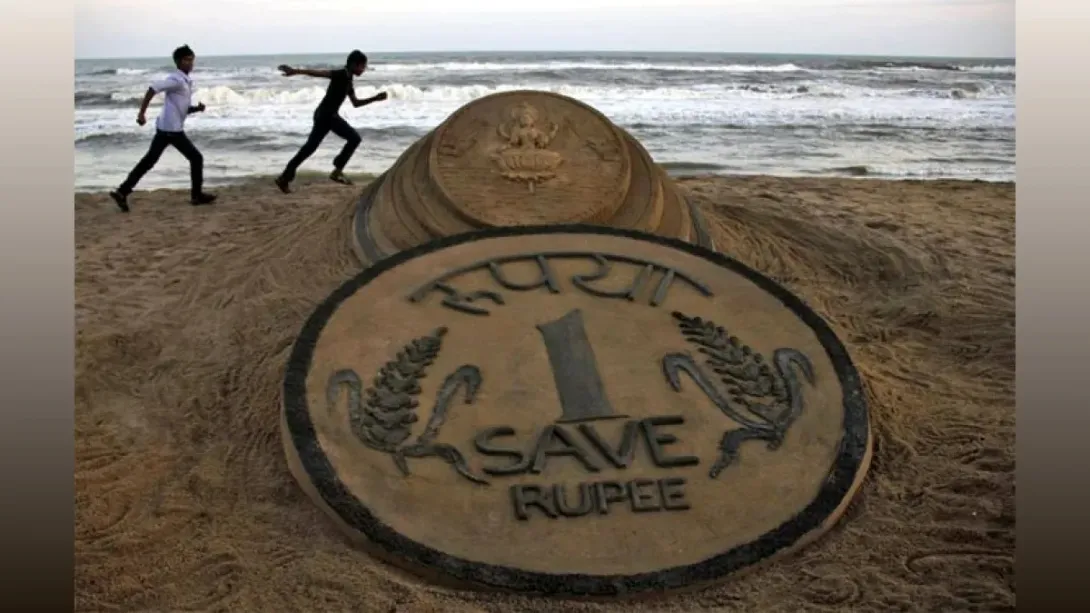
The Indian rupee weakened to 88.76 against the US dollar, reflecting a confluence of global macroeconomic pressures, rising crude oil prices, and foreign capital outflows. Analysts attribute the depreciation to a stronger dollar index, concerns over US interest rate policies, and persistent trade deficits. While the Reserve Bank of India (RBI) has maintained liquidity support, market participants remain cautious amid volatility in currency markets. The rupee’s performance underscores the delicate balance between domestic economic stability and external shocks, highlighting the importance of forex management strategies for businesses, importers, and exporters navigating a challenging global financial environment.
Domestic and Global Factors Driving Depreciation
The rupee’s decline comes amid strengthening of the US dollar against major currencies, fueled by expectations of prolonged Federal Reserve tightening. Elevated crude oil prices have intensified import costs, exacerbating India’s current account deficit. Analysts note that foreign institutional investors (FIIs) have been net sellers in equities and debt markets, further pressuring the currency.
Impact on Businesses and Importers
The depreciation affects import-dependent sectors, including energy, electronics, and raw materials, potentially raising costs for businesses and consumers. Exporters may gain marginally from the weaker rupee, though benefits are tempered by inflationary pressures on production costs. Corporates are increasingly hedging currency exposure to mitigate volatility and protect profit margins in international transactions.
RBI Measures and Market Outlook
The Reserve Bank of India has maintained sufficient liquidity in the system to support financial stability, while monitoring forex market volatility. Analysts suggest that the rupee could witness fluctuations in the near term, influenced by global interest rate dynamics, crude oil price movements, and domestic policy decisions. Strategic interventions and prudent forex risk management are likely to play a key role in sustaining market confidence.
Investor and Policy Implications
For foreign investors, currency volatility underscores the importance of portfolio hedging. Policymakers face the dual challenge of supporting economic growth while managing external vulnerabilities. Analysts highlight that proactive fiscal measures, diversification of trade partners, and strengthening of foreign reserves remain critical to mitigating adverse impacts of currency swings.
The rupee’s slide to 88.76 illustrates the interplay of domestic economic fundamentals and external global pressures. Businesses, investors, and policymakers must remain vigilant, leveraging strategic planning, hedging instruments, and policy interventions to navigate currency market challenges effectively.
Comments