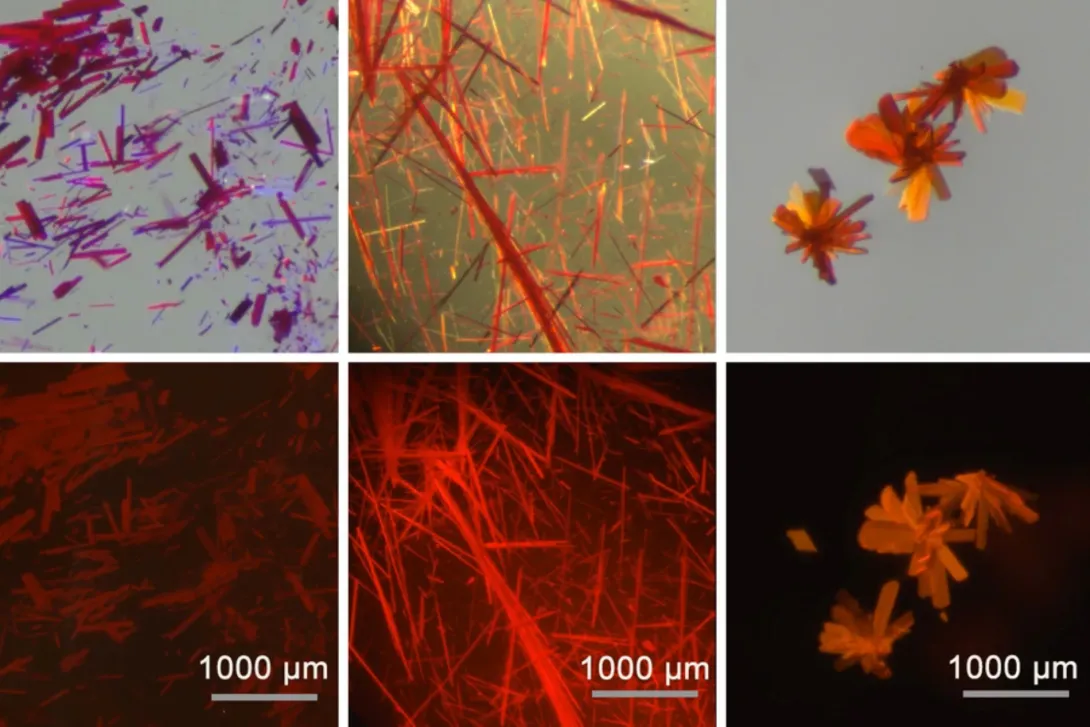
Recent advances in red fluorescent dyes are set to significantly enhance biomedical imaging, offering higher precision, deeper tissue penetration, and improved contrast for cellular and molecular studies. These dyes, engineered for greater photostability and brightness, promise to improve visualization of complex biological structures, aiding research in diagnostics, disease monitoring, and therapeutic development. By enabling clearer imaging at the cellular and subcellular level, red fluorescent dyes provide critical insights into cellular processes and pathological mechanisms. The innovation represents a convergence of chemistry, biology, and medical technology, reinforcing the transformative potential of advanced imaging tools in modern biomedical research.
Enhanced Imaging Through Red Fluorescence
Red fluorescent dyes have emerged as powerful tools in biomedical imaging due to their ability to penetrate tissues more effectively than traditional green or blue fluorophores. Longer wavelengths reduce light scattering, allowing for deeper visualization of tissues and organs, making them especially useful in live-cell imaging, tumor detection, and neuroscience research. Their bright emission facilitates clearer differentiation of cellular structures, providing unprecedented resolution in complex biological systems.
Photostability and Brightness Improvements
Modern red fluorescent dyes are engineered for enhanced photostability, minimizing signal loss during prolonged imaging sessions. Increased brightness ensures that even low-abundance molecular targets can be visualized accurately. These properties collectively improve data reliability, enabling researchers to conduct long-term studies without compromising image quality.
Applications in Diagnostics and Therapeutics
The adoption of red fluorescent dyes is expanding across biomedical fields, including cancer diagnostics, drug discovery, and regenerative medicine. Their capacity to highlight specific cellular components allows for precise disease monitoring and evaluation of treatment efficacy. In combination with advanced microscopy techniques, these dyes facilitate the development of targeted therapies and personalized medicine approaches.
Future Prospects and Innovation
Ongoing research aims to create even more versatile dyes with multi-functional capabilities, such as simultaneous imaging and therapeutic action. Integration with nanotechnology and bioengineering could further expand their applications, potentially enabling real-time monitoring of cellular processes and disease progression. As these innovations advance, red fluorescent dyes are poised to become indispensable tools in both basic research and clinical practice.
Comments