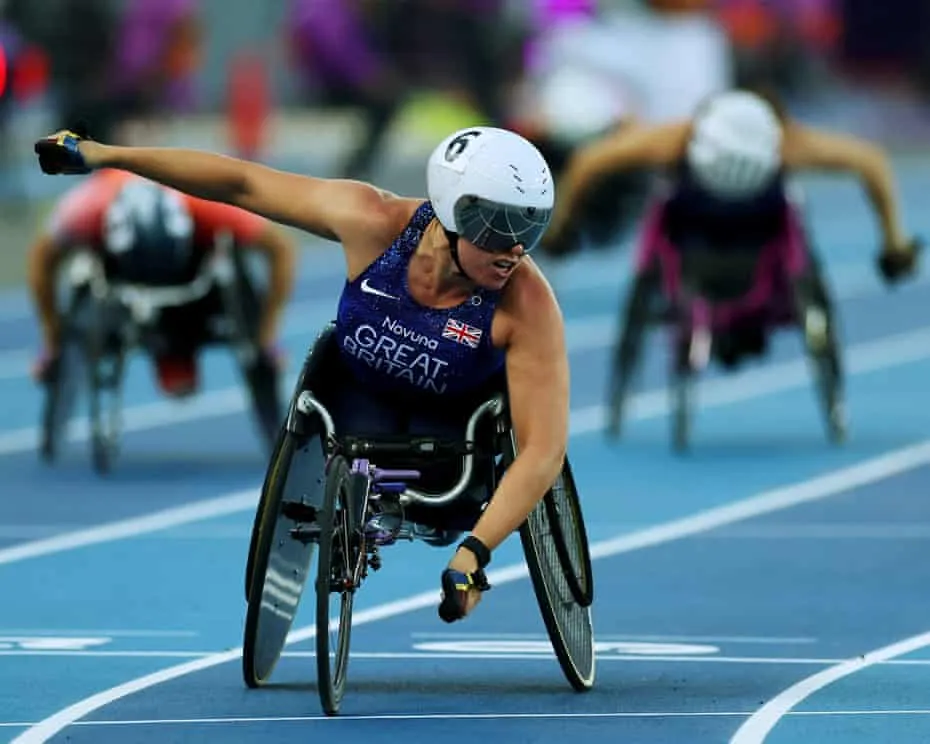
Para Athletics World Championships, a global stage for elite differently-abled athletes, delivered memorable performances from British competitors and notable successes for Indian athletes, highlighting their growing prominence in international sports. However, the event was marred by controversy over scheduling decisions and the visibly sparse spectator turnout, raising concerns about visibility and support for para sports. While athletes showcased exceptional talent and resilience, the juxtaposition of record-breaking feats with organizational challenges underscores both the progress and the hurdles faced by para athletics worldwide, particularly in terms of audience engagement, media coverage, and equitable recognition.
---
British Athletes Shine on the Global Stage
British competitors dominated several track and field events, capturing multiple gold medals and setting new personal and world records. Their performances underscored the effectiveness of the country’s investment in para-sports infrastructure, coaching, and talent identification programs. Analysts noted that Britain’s approach demonstrates a strategic blueprint for other nations seeking to enhance their global competitiveness in para athletics.
Athletes such as Hannah Cockroft and David Weir, among others, exemplified elite performance, blending technical precision with strategic race execution. Their achievements not only added to Britain’s medal tally but also contributed to raising public awareness of para-athletics excellence.
---
Indian Athletes Deliver Pride and Milestones
India’s contingent also delivered significant achievements, with several athletes reaching podium positions and setting personal bests. Sprinters and field athletes alike demonstrated competitive skill, endurance, and determination, signaling India’s rising stature in para-sports globally.
The performances reflect the success of India’s para-athletics initiatives, including targeted training camps, financial incentives, and participation in international competitions. These measures have helped nurture talent capable of competing with the world’s best, reinforcing India’s growing commitment to inclusivity and sports excellence.
---
Controversy and Sparse Attendance
Despite the impressive athletic feats, the championships faced criticism over organizational decisions, including scheduling conflicts and limited publicity. Many marquee events coincided with public holidays or other major sporting events, resulting in empty seats and diminished live audience engagement.
Observers highlighted that low spectator turnout not only affects athletes’ morale but also impacts media coverage, sponsorship visibility, and overall investment in para sports. The controversy has reignited discussions about the need for better promotion, audience engagement strategies, and structural reforms to elevate the profile of para-athletics events globally.
---
Spotlight on Para Athletics Development
The juxtaposition of record-breaking performances with organizational shortcomings illustrates the dual reality of para athletics today. While countries like Britain have successfully leveraged resources to foster elite athletes, other nations still grapple with challenges including inadequate infrastructure, limited funding, and low public awareness.
Experts emphasize that increased visibility, targeted marketing, and supportive policies are essential for transforming para athletics into a mainstream spectator sport. In addition, ensuring accessible venues, broadcast coverage, and equitable recognition remains critical for sustaining athlete motivation and audience interest.
---
Conclusion
The Para Athletics World Championships served as both a celebration of extraordinary athleticism and a reminder of the work that remains to support and elevate para sports. British victories and Indian achievements exemplify progress in training, talent development, and global competitiveness. At the same time, controversies over attendance and scheduling highlight the persistent structural and perceptual barriers that must be addressed.
As para-athletics continues to grow, the lessons from this championship underline the importance of strategic investment, media engagement, and audience cultivation in creating a truly inclusive, globally recognized sporting arena.
Comments