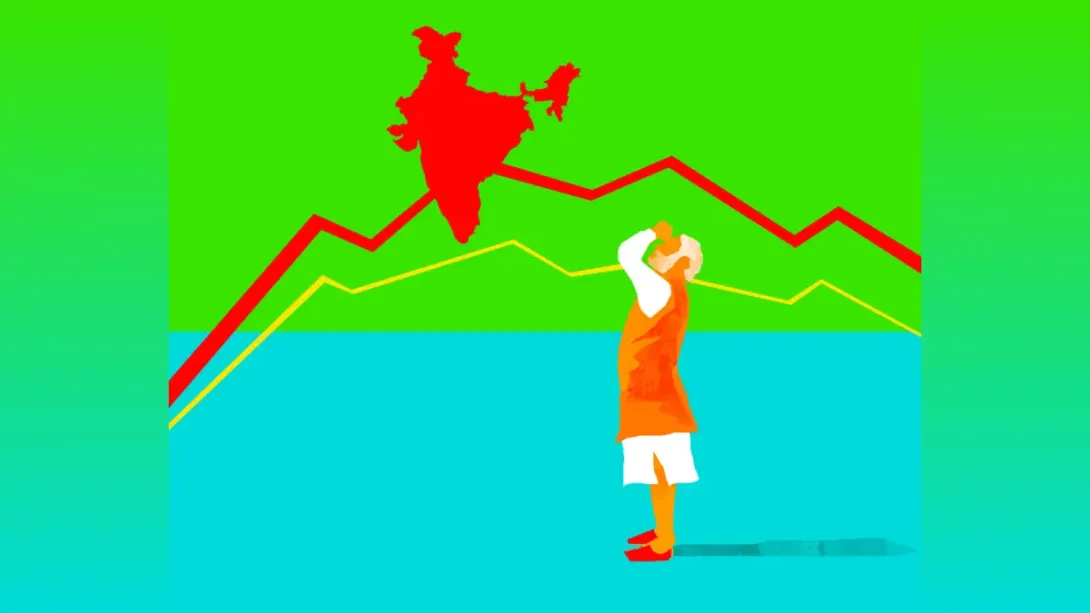
The World Bank has revised India's economic growth forecast for the fiscal year 2025–26 to 6.5%, up from its previous estimate of 6.3%. This adjustment reflects strong domestic consumption, improved agricultural output, and rising rural wages. However, the institution has cautioned that the imposition of 50% U.S. tariffs on Indian exports could dampen growth prospects in the subsequent fiscal year, leading to a downward revision of the FY27 growth forecast to 6.3%. Despite these challenges, India is projected to remain the world's fastest-growing major economy.
Factors Driving the Upward Revision
The World Bank's updated forecast underscores the resilience of India's economy. Key drivers include:
- Consumption Growth: Strong consumer spending continues to be a primary engine of economic expansion.
- Agricultural Performance: Favorable weather conditions have led to improved agricultural output, contributing to overall economic stability.
- Rural Wage Growth: Increased wages in rural areas have bolstered purchasing power and supported domestic demand.
These factors collectively enhance India's economic outlook, positioning it as a leader in global growth.
Challenges on the Horizon
Despite the positive near-term outlook, the World Bank has highlighted potential risks:
- U.S. Tariffs: The recent imposition of 50% tariffs on Indian exports to the United States could adversely affect key sectors, including textiles, gems and jewelry, and seafood.
- Export-Driven Sectors: A significant portion of India's exports, approximately 20%, is directed towards the U.S., making these tariffs particularly impactful.
These developments have led to a cautious revision of the FY27 growth forecast to 6.3%.
Policy Measures and Economic Resilience
In response to external challenges, the Indian government has implemented several measures to sustain economic momentum:
- Tax Reforms: Simplification of the Goods and Services Tax (GST) and income tax relief have been introduced to stimulate consumption and ease business operations.
- Infrastructure Investment: Increased spending on infrastructure projects aims to boost economic activity and create employment opportunities.
These policy interventions are designed to mitigate external shocks and maintain domestic economic stability.
Regional Implications
The World Bank's report also addresses broader regional concerns:
- South Asia Growth: The region's growth is projected to slow to 5.8% in 2026, down from 6.6% in 2025, primarily due to the impact of U.S. tariffs on Indian exports.
- Economic Interdependence: Countries in South Asia, including Bangladesh, Sri Lanka, and Nepal, are closely linked to India's economy, and any downturn in India's growth could have ripple effects across the region.
This interconnectedness underscores the importance of India's economic health to regional stability.
Conclusion
The World Bank's revised growth forecast for India reflects a combination of domestic economic strength and external challenges. While the near-term outlook remains positive, the imposition of U.S. tariffs introduces uncertainties that could affect future growth. The Indian government's proactive policy measures aim to address these challenges and sustain economic momentum, ensuring that India continues to play a pivotal role in the global economic landscape.
Comments