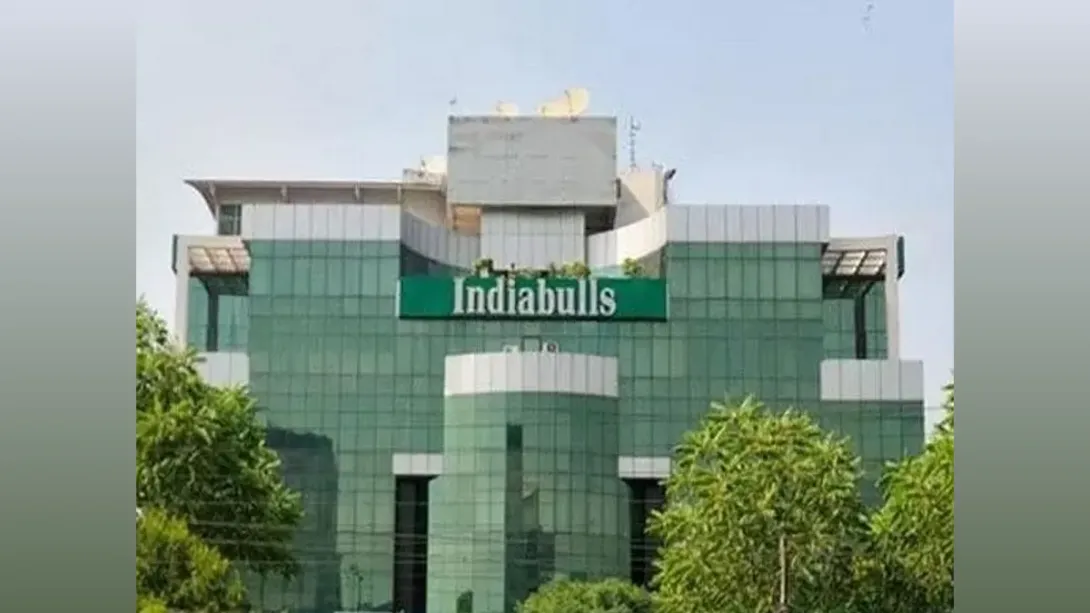
The Supreme Court has directed the Ministry of Corporate Affairs (MCA) to produce original records concerning the closure of complaints against Indiabulls Housing Finance Limited (now Sammaan Capital). The directive follows concerns raised by the Securities and Exchange Board of India (SEBI) regarding the compounding of hundreds of alleged violations. The bench, led by Justice Surya Kant, questioned the process and rationale behind the swift closures, also seeking updates from the Enforcement Directorate (ED) and the Central Bureau of Investigation (CBI) on their respective inquiries. The case has reignited debate over regulatory accountability, transparency, and the handling of major corporate investigations in India.
Judicial Scrutiny Over Regulatory Actions
The Supreme Court’s intervention marks a significant moment in India’s ongoing efforts to ensure corporate transparency and uphold institutional integrity. During the latest hearing, the bench comprising Justice Surya Kant and Justice Ujjal Bhuyan asked the Ministry of Corporate Affairs to submit original, unaltered records detailing how complaints and objections against Indiabulls Housing Finance Limited were compounded and closed.
The court’s order followed objections by SEBI, which had flagged procedural irregularities in how hundreds of objections were settled. The MCA is now required to present the records at the next hearing, scheduled for November 11, to explain the basis of its decisions.
Conflict Among Regulators
The case has revealed diverging stances among regulatory bodies. While the CBI submitted that it found no evidence of wrongdoing by the company, the Enforcement Directorate (ED) is yet to finalize its position regarding alleged money-laundering activities linked to the firm. The apex court has demanded the ED clarify its course of action and report progress in the ongoing probe.
This judicial scrutiny stems from a public interest litigation (PIL) filed by a whistleblower non-governmental organization, alleging financial irregularities and misuse of funds within Indiabulls and its subsidiaries. SEBI’s earlier investigation had highlighted inconsistencies in disclosures and potential violations of corporate governance norms, prompting its initial objections to the closure of complaints.
Corporate Governance in the Spotlight
Indiabulls Housing Finance Limited, now renamed Sammaan Capital, has long been a prominent player in India’s financial services sector. However, the company has faced repeated allegations over the years concerning fund diversion and irregular lending practices—claims it has consistently denied.
The Supreme Court’s latest directive underscores growing judicial vigilance over the coordination between financial regulators, particularly in high-stakes corporate investigations. Legal experts view this as a pivotal test of the institutional accountability framework, where independent regulators and enforcement agencies must justify their decisions in the face of public scrutiny.
Implications for the Financial Sector
This development could set a precedent for how cases involving major financial institutions are handled in India. The court’s insistence on transparency from both the MCA and enforcement agencies signals a tighter judicial oversight on administrative decision-making within the financial ecosystem.
Market observers note that such interventions, while potentially slowing bureaucratic processes, enhance investor confidence by reinforcing the credibility of India’s regulatory apparatus. If the MCA’s decision to close the complaints is found lacking in procedural rigor, it may trigger broader reforms in how corporate compounding cases are reviewed and approved.
Conclusion
The Supreme Court’s call for original documentation in the Indiabulls case represents more than just a procedural request—it is a reaffirmation of the judiciary’s role as the ultimate guardian of corporate probity. As the court prepares to review the records next month, the outcome could shape the contours of India’s financial oversight landscape, influencing how future corporate misconduct cases are examined and resolved.
Comments