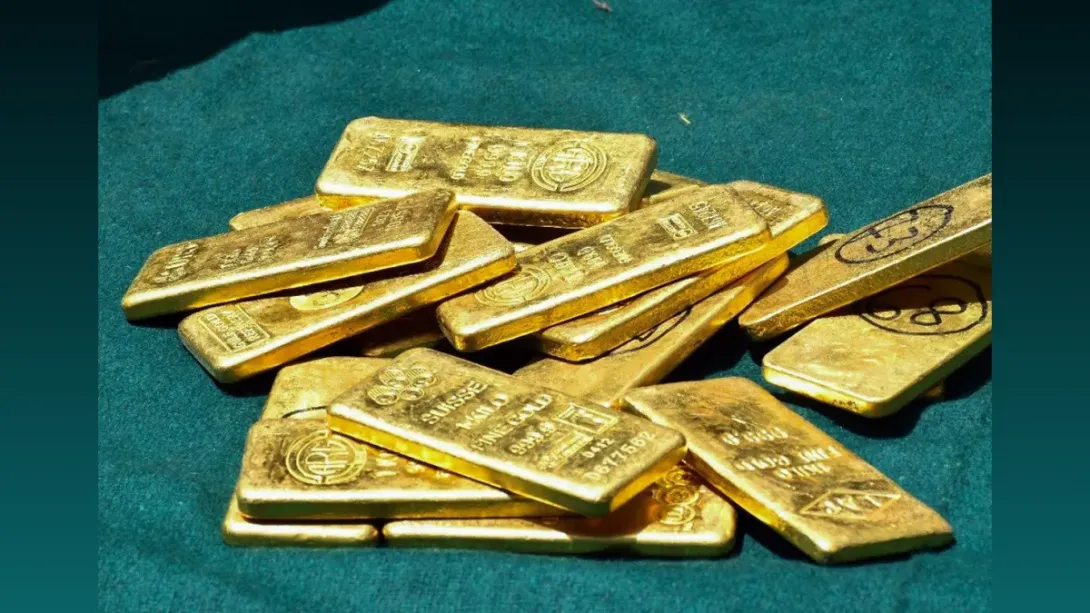
Gold prices reached unprecedented levels, trading at Rs 1.31 lakh per 10 grams in India and USD 4,200 per ounce internationally, reflecting a combination of global economic uncertainty, currency fluctuations, and sustained investor demand for safe-haven assets. Analysts attribute the rally to factors including rising inflation, geopolitical tensions, and persistent volatility in equity markets. This record surge underscores gold’s enduring appeal as a wealth-preservation tool and portfolio hedge. Investors, jewelers, and central banks are closely monitoring the market, as higher prices influence consumer behavior, import costs, and trading strategies in both domestic and global contexts.
Domestic Market Trends
In India, gold prices climbed to Rs 1.31 lakh per 10 grams, setting a historic benchmark. Urban and rural buyers are witnessing increased costs for jewelry and investment products, prompting both urgency and cautious buying strategies. Analysts highlight that import duties, rupee depreciation, and seasonal demand also contribute to domestic price pressures.
International Market Dynamics
Globally, gold touched USD 4,200 per ounce, reflecting investor preference for safe-haven assets amid economic uncertainty. Currency volatility, central bank policies, and geopolitical risks have bolstered demand for bullion as a hedge against inflation and financial market instability.
Investor Sentiment and Economic Implications
Rising gold prices have prompted increased interest from retail and institutional investors seeking to protect wealth. Analysts warn that continued price escalation could affect discretionary spending, impact jewelry sales, and influence import costs, potentially affecting trade balances and inflation trends.
Outlook
Market experts expect gold to remain in high demand while price volatility persists. Strategic investment in gold, both physical and digital, is likely to continue as global uncertainties persist, making it a critical asset for wealth preservation and risk mitigation.
Comments