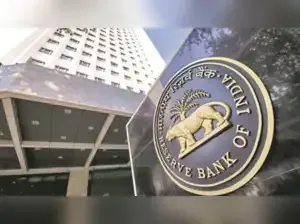
The Reserve Bank of India (RBI) has signaled potential monetary policy adjustments in response to evolving macroeconomic indicators, including inflationary trends, liquidity conditions, and credit growth. Recent statements indicate a focus on balancing price stability with sustainable economic expansion, while monitoring global financial developments and currency fluctuations. Analysts note that RBI actions on interest rates, reserve requirements, and liquidity management will have far-reaching implications for banking, investment, and consumer behavior. Effective communication and calibrated policy responses aim to maintain investor confidence, support growth, and manage inflation expectations, reinforcing the central bank’s pivotal role in shaping India’s financial stability and economic trajectory.
Inflation Monitoring and Policy Outlook
The RBI continues to closely track headline and core inflation metrics, evaluating the impact of commodity prices, supply chain dynamics, and domestic demand. Analysts anticipate potential recalibration of policy rates or liquidity tools to manage inflation within target ranges while sustaining credit growth to fuel economic activity.
Liquidity Management and Banking Sector Implications
To maintain adequate liquidity, the RBI employs open market operations, cash reserve ratios, and other instruments, ensuring stability in the banking system. Recent measures aim to optimize lending rates, support credit flow to key sectors, and mitigate systemic risks. Financial institutions are expected to adjust their strategies in response to these interventions, influencing lending costs, deposit rates, and investment decisions.
Exchange Rate and Global Economic Considerations
The RBI also monitors the Indian rupee’s performance against the US dollar and other major currencies, managing interventions to stabilize the forex market. Global monetary policy trends, trade dynamics, and capital flows are key factors influencing domestic decisions. Analysts suggest that proactive currency management helps control imported inflation and maintain investor confidence.
Impact on Businesses and Consumers
Policy adjustments by the RBI affect borrowing costs, corporate investment, and household consumption. Lower rates can stimulate credit demand and economic activity, while higher rates may curb inflation but increase financing costs. Businesses, investors, and consumers are advised to monitor central bank signals and plan financial strategies accordingly.
Forward-Looking Strategies
The RBI emphasizes a data-driven approach, using economic indicators to guide calibrated interventions. Strategic communication and gradual policy measures aim to maintain macroeconomic stability, foster sustainable growth, and support financial market confidence. Analysts expect continued focus on balancing growth with inflation containment in the coming quarters.
Conclusion
The Reserve Bank of India’s proactive monitoring of inflation, liquidity, and currency conditions underscores its critical role in shaping India’s economic trajectory. Calibrated policy measures, combined with strategic communication, aim to support growth, maintain financial stability, and protect consumer and investor interests. Businesses and households must remain attentive to RBI signals to navigate interest rate dynamics, credit availability, and market volatility effectively.
Comments