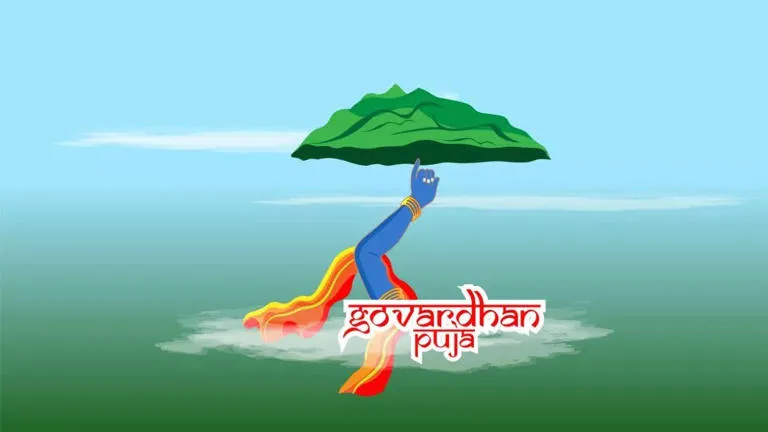
As the glow of Diwali lamps fades, India prepares to celebrate Govardhan Puja, a festival symbolizing gratitude, humility, and reverence for nature. In 2025, Govardhan Puja will be observed on Tuesday, October 21, the day following Diwali. The celebration marks the worship of Lord Krishna and Govardhan Hill, commemorating the divine act of protecting the people of Vrindavan from torrential rains by lifting the sacred hill. The festival underscores the deep connection between humanity and nature, blending spiritual devotion with ecological consciousness—a timeless message that resonates profoundly in today’s world.
Date, Timings, and Astrological Details
According to the Hindu calendar, Govardhan Puja falls on the Pratipada Tithi (first day) of the bright fortnight in the Kartika month, immediately after Diwali. In 2025, the Pratipada Tithi begins at 11:49 AM on October 21 and concludes at 9:24 AM on October 22. Devotees traditionally perform Annakut—the grand offering of food—during this period.
The timing of the puja is considered crucial, as rituals are conducted when the Pratipada Tithi aligns with the morning hours, symbolizing renewal and prosperity after the Amavasya night of Diwali. Temples across the country, particularly in Mathura, Vrindavan, and Nathdwara, witness elaborate ceremonies, devotional singing, and food offerings prepared with reverence.
The Legend Behind Govardhan Puja
The origins of Govardhan Puja trace back to the Bhagavata Purana, which narrates how Lord Krishna persuaded the villagers of Vrindavan to worship Govardhan Hill instead of performing rituals for Lord Indra, the god of rain. Angered by this defiance, Indra unleashed heavy storms to punish the villagers. In response, Krishna lifted the Govardhan Hill on his little finger, shielding the people and cattle from the relentless downpour for seven days.
This divine act symbolizes protection through faith and serves as a reminder of the importance of gratitude toward nature—the very force that sustains life. Even today, the ritual of offering food, flowers, and prayers to Govardhan Hill reflects this profound spiritual lesson.
Rituals and the Essence of Annakut
The central ritual of Govardhan Puja is Annakut, meaning “mountain of food.” Devotees prepare an elaborate array of vegetarian dishes, sweets, and delicacies to offer to Lord Krishna as a gesture of thankfulness. Temples often display hundreds of food items arranged in the form of a miniature hill, symbolizing Govardhan itself.
In homes, families recreate this tradition by cooking their favorite festive foods—ranging from puri, kachori, and sabzi to laddoos and kheer—and offering them to the deity before sharing with neighbors and guests. After the puja, the offerings are distributed as prasadam, representing shared blessings and community harmony.
The festival also holds agricultural significance, as it coincides with the post-harvest season, encouraging farmers to express gratitude for a fruitful yield and to pray for favorable weather and prosperity in the year ahead.
Comments