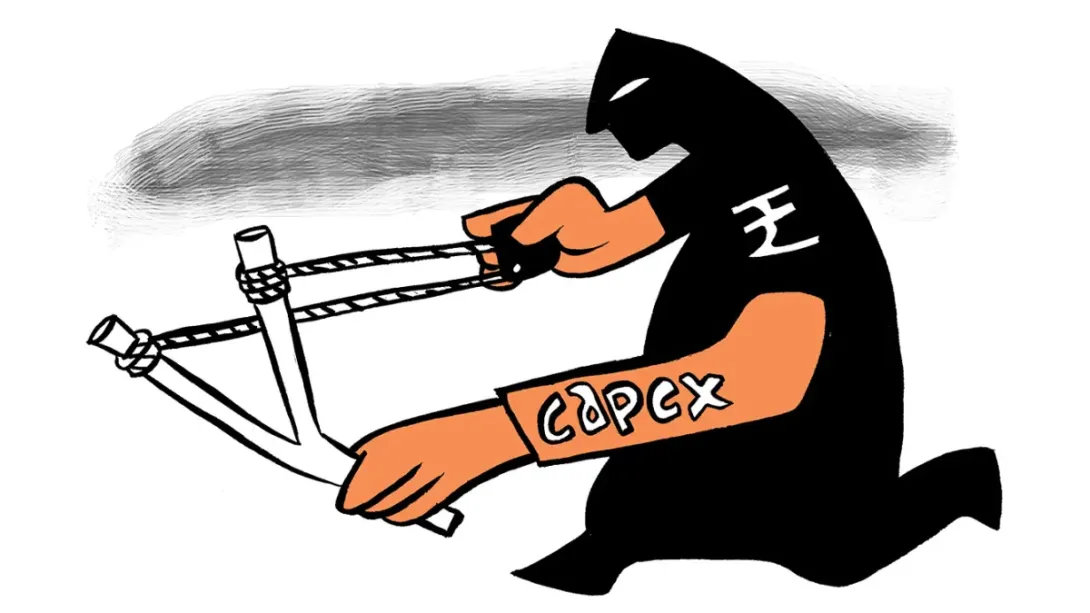
Shyam Metalics and Energy Ltd. (SMEL), a prominent player in India's steel sector, has announced an ambitious Vision 2031 plan, outlining a ₹10,000 crore capital expenditure strategy aimed at expanding its production capacity and targeting a significant revenue increase. The company plans to enhance its production capacity from 15 million tonnes per annum (MTPA) to 27 MTPA, focusing on high-value segments such as specialty steel, stainless steel, flat products, and aluminium. This expansion is expected to bolster SMEL's presence in key sectors including defence, infrastructure, engineering, and railways, while also aiming to double its export revenue.
Strategic Expansion and Capacity Enhancement
Under its Vision 2031 roadmap, Shyam Metalics aims to increase its total production capacity to 27 MTPA by 2031, marking a substantial growth from the current 15 MTPA. This expansion will be primarily achieved through brownfield projects in strategic locations across West Bengal, Odisha, and Madhya Pradesh. Such an approach is designed to minimize execution risks and optimize returns on capital employed. The ₹10,000 crore investment will be directed towards technology upgrades, process innovation, energy efficiency improvements, and downstream integration, with a significant focus on specialty steel, stainless steel, flat products, and aluminium segments.
Financial Targets and Revenue Growth
Shyam Metalics has set an ambitious revenue target of ₹40,000 crore by 2031, aiming for a 2.5-fold increase from its current topline. The company anticipates that the expansion will lead to improved EBITDA margins by 200-300 basis points, driven by operational leverage and a better product mix realization. Additionally, SMEL plans to double its export revenue from USD 150 million to USD 300 million, reflecting its commitment to expanding its global footprint and catering to international markets.
Sectoral Focus and Market Positioning
The company's growth strategy emphasizes strengthening its position in high-value sectors such as defence, infrastructure, engineering, and railways. By focusing on downstream applications and high-value products, Shyam Metalics aims to capitalize on the growing demand in these sectors. The expansion plan also includes securing iron ore mining assets in Maharashtra to support cost efficiency and ensure raw material security. Furthermore, SMEL intends to leverage European technology partnerships for value-added product development, enhancing its competitive edge in the market.
Employment Generation and Technological Advancements
The Vision 2031 plan is expected to generate approximately 10,000 new employment opportunities, contributing to the local economies in the regions where the expansions will take place. The investment in technology upgrades and energy efficiency improvements aligns with the company's commitment to sustainable growth and operational excellence. By adopting advanced technologies and innovative processes, Shyam Metalics aims to enhance its production capabilities and meet the evolving demands of the steel industry.
Analyst Perspectives and Market Implications
While the expansion plan is operationally feasible, analysts have expressed caution regarding the financial targets, citing potential risks associated with market conditions and the execution of such a large-scale project. The claim that the ₹10,000 crore capital expenditure will be funded mostly from internal accruals has been met with skepticism, given the company's past cash flows. Additionally, the benefits from the newly secured captive iron ore assets may be delayed beyond the 2031 timeline due to lengthy regulatory processes.
Conclusion
Shyam Metalics' Vision 2031 plan represents a bold step towards significant growth and diversification in the Indian steel industry. By focusing on high-value sectors and leveraging technological advancements, the company aims to enhance its market position and achieve substantial revenue growth. However, the successful realization of these objectives will depend on effective execution, market dynamics, and the ability to navigate potential challenges associated with large-scale investments and regulatory processes.
Comments