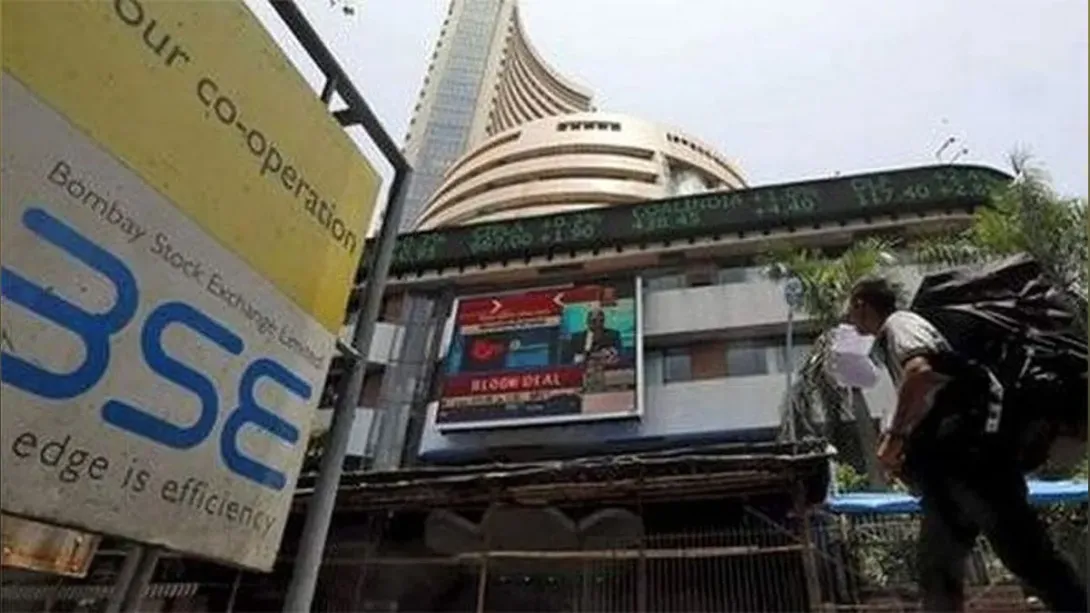
The Indian stock market experienced a sharp rally as the Sensex jumped 862 points, signaling renewed investor optimism across key sectors. Positive earnings reports, stable macroeconomic indicators, and robust foreign institutional inflows contributed to the bullish sentiment. Mid-cap and banking stocks led the advance, reflecting broad-based participation. Analysts note that domestic investor confidence remains high amid global market volatility, while foreign capital continues to seek opportunities in India’s resilient economy. The surge underscores growing optimism about corporate earnings, government reforms, and strategic sectoral growth, reaffirming India’s position as a preferred destination for both institutional and retail investors.
Broad-Based Market Rally
The benchmark BSE Sensex climbed 862 points to close at Rs. [Insert closing level], marking a significant recovery in investor sentiment. The Nifty 50 index mirrored the trend, gaining [Insert points] to settle at Rs. [Insert closing level]. Market participants attributed the surge to strong earnings announcements from blue-chip companies, sustained foreign institutional investment, and positive macroeconomic signals. Analysts suggest that the rally reflects renewed confidence in India’s growth trajectory and the resilience of key sectors such as banking, technology, and consumer goods.
Sectoral Drivers of the Surge
The banking and financial services sector emerged as a primary catalyst for the rally, with major banks witnessing gains of up to [Insert %]. Technology and consumer discretionary stocks also contributed significantly, driven by strong quarterly earnings and robust demand forecasts. Mid-cap and small-cap stocks demonstrated resilience, highlighting widespread market participation rather than a concentrated rally. Analysts emphasize that such breadth indicates sustainable investor confidence, rather than speculative short-term movements.
Foreign and Domestic Investor Sentiment
Foreign institutional investors (FIIs) were net buyers during the session, adding capital worth Rs. [Insert figure] to the market. Domestic investors also participated actively, particularly in large-cap stocks, reflecting a healthy risk appetite. Market strategists suggest that sustained inflows from FIIs, coupled with domestic investment, support a balanced and sustainable rally, mitigating the effects of global volatility.
Economic and Policy Context
The market rally coincided with positive economic data and announcements indicating stable inflation and favorable industrial output. Analysts note that policy continuity and structural reforms are bolstering investor confidence, while corporate earnings growth reinforces expectations of long-term market stability. Global cues, including stable crude prices and improving trade sentiment, also contributed to the upbeat market environment.
Conclusion
The Sensex’s 862-point surge reflects a convergence of strong corporate earnings, positive economic indicators, and robust investor participation. Broad-based gains across sectors underscore the depth of market confidence, while foreign and domestic inflows signal continued optimism about India’s growth prospects. For investors, the rally reinforces the importance of sectoral diversification, market monitoring, and strategic allocation to capitalize on both domestic growth and global opportunities.
Comments