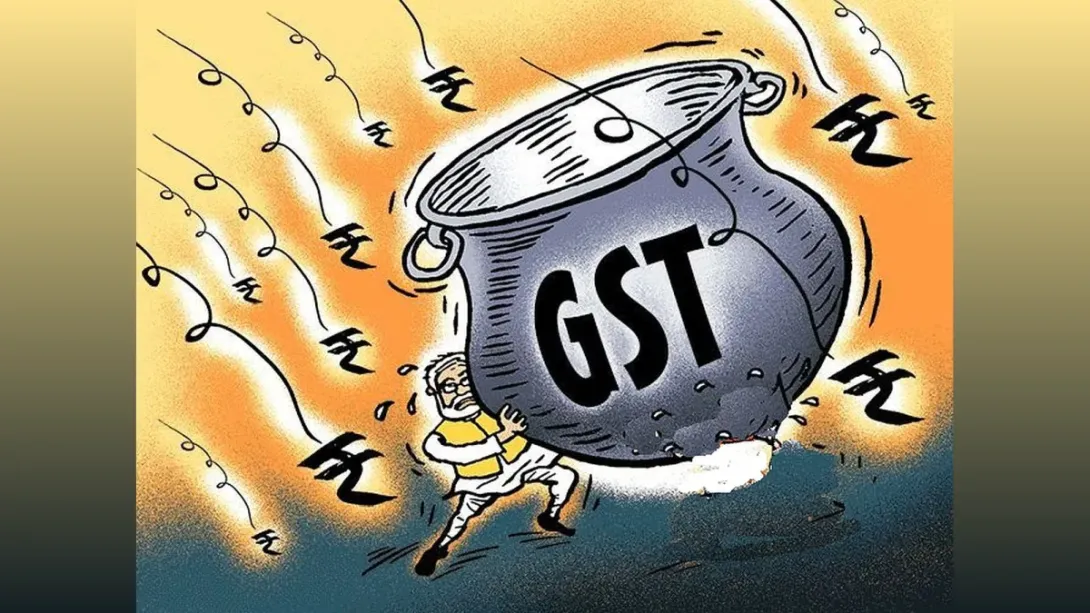
A consortium of Indian automobile dealers has petitioned the Supreme Court seeking relief from a cumulative cess liability of Rs. 2,500 crore, imposed by the central government. The dealers argue that the cess, levied on vehicles under regulatory frameworks, is disproportionate and financially burdensome, particularly in a sector facing slowing sales and rising operational costs. Industry representatives contend that the imposition affects liquidity, working capital, and overall business sustainability. Legal experts note that the case could set a precedent for future taxation disputes in the auto sector, potentially influencing regulatory approaches to levies and easing the financial strain on dealers nationwide.
Background of the Cess Dispute
The controversy revolves around a cess imposed on automobiles, including passenger and commercial vehicles, aimed at funding environmental and regulatory initiatives. Key points include:
- Total disputed liability: Rs. 2,500 crore.
- Dealers’ contention: The levy is excessive, retroactive, and impacts cash flow.
- Regulatory context: Government guidelines mandate periodic payments, with penalties for non-compliance, which exacerbates financial pressure on dealers.
The dispute highlights the tension between regulatory objectives and the financial realities faced by the auto distribution network.
Arguments Presented by Dealers
Automobile dealers have emphasized multiple factors in their petition:
Disproportionate Financial Burden: The cess significantly impacts small and medium dealerships with limited liquidity.
Economic Slowdown: Slumping vehicle sales and increased operating costs make compliance challenging.
Legal Ambiguities: Retroactive application of the cess raises questions about procedural fairness and statutory interpretation.
Impact on Employment and Investment: High tax burden may lead to downsizing or reduced investments in dealerships, affecting employment in the sector.
Industry analysts suggest that relief, if granted, could improve dealer liquidity and stabilize supply chain operations.
Government and Regulatory Perspective
The government defends the levy as part of a broader policy framework to fund infrastructure, environmental compliance, and regulatory initiatives. Officials argue:
- The cess is statutorily mandated under central taxation laws.
- Funds collected contribute to road safety, environmental protection, and vehicle registration systems.
- Non-payment undermines compliance and sets adverse precedents for other sectors.
Negotiations between dealer associations and regulatory authorities are ongoing, with discussions focused on staggered payments, rebates, or potential waiver mechanisms.
Market Implications
The case has significant implications for the automobile sector:
- Liquidity Stress: Dealers’ working capital is strained, potentially affecting vehicle procurement and sales operations.
- Investment Uncertainty: Potential relief may influence future investments in new dealerships and expansion.
- Pricing and Consumer Impact: High cess costs may be passed on to consumers, affecting demand.
- Precedent for Other Sectors: The ruling could impact taxation disputes in other heavily regulated industries.
Analysts note that timely judicial intervention could stabilize market dynamics and provide clarity for stakeholders.
Judicial Process and Anticipated Outcomes
The Supreme Court will examine arguments based on:
- Constitutional and statutory validity of the cess.
- Proportionality and fairness of the levy in relation to dealer operations.
- Precedent in financial and taxation disputes, ensuring consistency in enforcement.
Experts predict that the court’s verdict may either provide partial or full relief, or define clearer compliance mechanisms, influencing the sector’s financial planning.
Conclusion
The petition by auto dealers against a Rs. 2,500 crore cess highlights the delicate balance between regulatory enforcement and sectoral viability. The Supreme Court’s deliberation will be pivotal in determining financial relief, procedural clarity, and long-term stability for automobile dealers across India.
For investors, dealers, and policymakers, the case underscores the importance of equitable taxation, stakeholder engagement, and sustainable fiscal measures in supporting the automotive industry while achieving regulatory objectives.
Comments