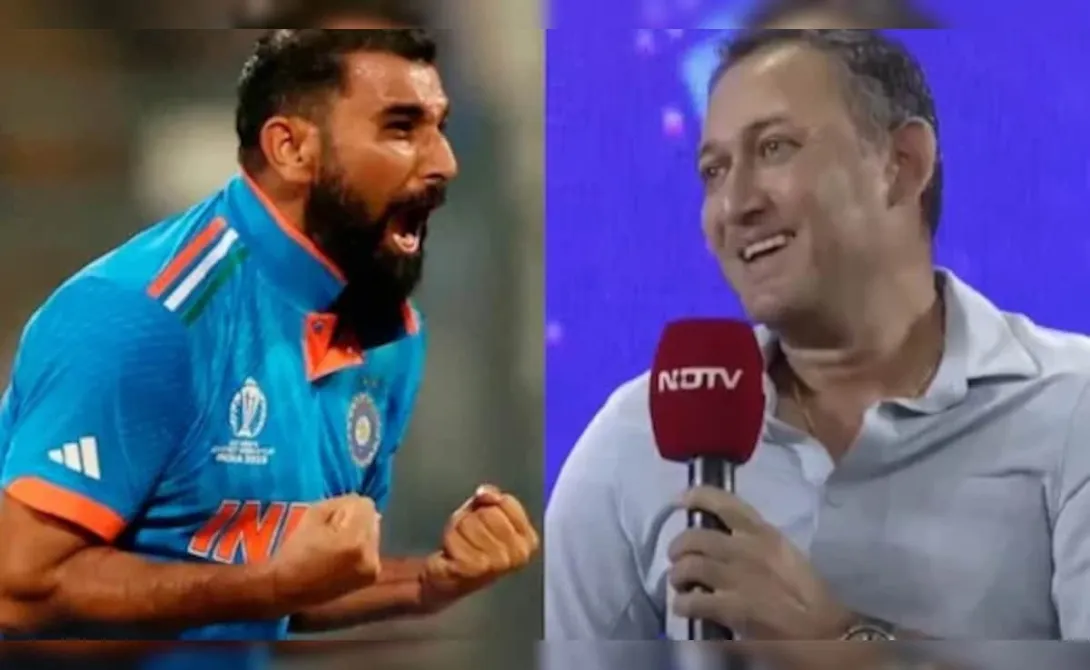
Indian fast bowler Mohammed Shami has publicly addressed former cricketer Ajit Agarkar’s comments following his exclusion from India’s ODI squad for the Australia series, escalating the ongoing debate. Shami’s response highlights tensions between current players and former commentators regarding team selection, performance assessments, and public perception. The controversy underscores broader conversations about transparency in selection processes, player form evaluation, and the pressures athletes face from media scrutiny. Analysts note that such exchanges, while highly visible, also reflect the evolving dynamics of cricket in India, where social media, public commentary, and professional pride intersect in shaping narratives around national representation.
---
Shami Addresses Criticism
Mohammed Shami, a mainstay in India’s bowling lineup, reacted to Ajit Agarkar’s critique concerning his absence from the ODI squad against Australia. Shami’s statements emphasized his commitment to performance and team objectives, subtly countering claims of declining form.
The fast bowler’s response, measured yet firm, signals the heightened sensitivity around public commentary on player selection, particularly when former cricketers weigh in with opinions that reach millions of followers.
---
Context of the Australia ODI Snub
Shami’s omission comes at a time when India faces a packed international schedule, and selectors are balancing performance, fitness, and team strategy. Analysts note that selection decisions for high-profile series often involve nuanced considerations, including workload management, pitch conditions, and long-term planning for ICC tournaments.
Former players like Ajit Agarkar, leveraging media platforms, frequently critique selections, sparking debates among fans and pundits about meritocracy, form, and favoritism in team composition.
---
Media and Public Reactions
The exchange between Shami and Agarkar has generated significant engagement across social media, with fans taking sides on form, fitness, and selection policies. Some supporters lauded Shami’s professionalism and composure, while others echoed Agarkar’s call for accountability in squad choices.
Sports commentators observe that such debates, though intense, play a role in shaping public understanding of cricketing decisions, highlighting both the pressures faced by players and the expectations of a cricket-passionate audience.
---
Implications for Player-Commentator Dynamics
This incident underscores evolving relationships between current athletes and former professionals turned media personalities. While commentary aims to provide analysis and perspective, active players are increasingly asserting their voices, balancing personal reputation with professional responsibilities.
Experts note that healthy dialogue between players and commentators can enhance accountability, yet public disagreements risk fueling unnecessary controversy, impacting team morale and fan perception.
---
Conclusion: Balancing Performance, Opinion, and Public Perception
The Shami-Agarkar exchange illustrates the complex interplay of selection scrutiny, media commentary, and player response in modern cricket. As Indian cricket navigates a competitive international schedule, such discussions underscore the importance of clarity in communication, respect for player perspectives, and the nuanced evaluation of form and fitness.
Mohammed Shami’s measured rebuttal serves as a reminder of the professional pride and resilience athletes maintain, even under intense public scrutiny, and highlights the evolving nature of accountability and discourse in Indian cricket’s public sphere.
Comments