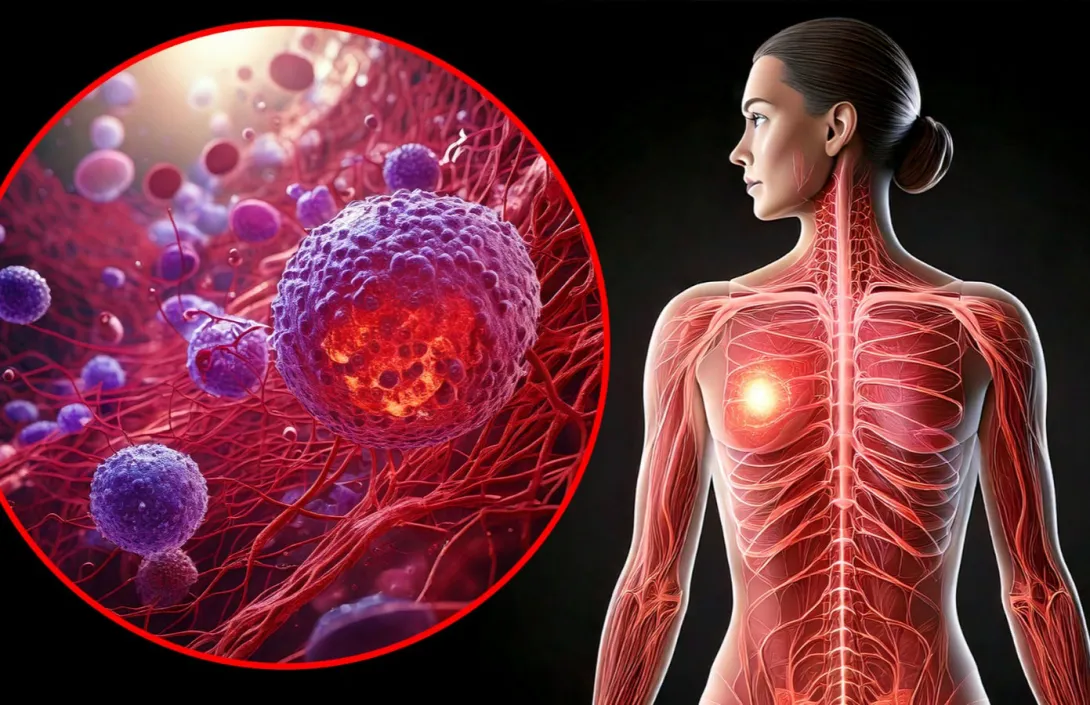
Recent scientific investigations are shedding new light on the potential relationship between the ketogenic (keto) diet and breast cancer prevention and management. Characterized by low carbohydrate intake and high fat consumption, the keto diet may influence cancer cell metabolism by reducing glucose availability—an energy source often exploited by malignant cells. Researchers worldwide are exploring how metabolic therapies like keto nutrition could complement conventional cancer treatments. While early findings are promising, oncologists caution that more clinical evidence is required before considering the diet as a standard preventive or therapeutic tool. Balanced, medically supervised interventions remain essential for patient safety and efficacy.
Rethinking Metabolism in Cancer Therapy
The ketogenic diet, initially developed to manage epilepsy, has attracted attention for its broader metabolic implications, particularly in oncology research. Cancer cells depend heavily on glucose for growth and proliferation—a phenomenon known as the Warburg effect. By restricting carbohydrates and promoting fat-derived energy (ketones), the keto diet may deprive cancer cells of their primary fuel source, potentially slowing tumor progression.
Scientists at several international research centers are examining whether such metabolic restrictions can enhance the body’s ability to resist cancer cell development or improve treatment outcomes. Recent studies have shown that keto-induced metabolic changes might make cancer cells more susceptible to radiation and chemotherapy, while preserving the health of normal cells.
Insights from Breast Cancer Studies
Breast cancer, one of the leading causes of cancer-related mortality among women, has long been linked to hormonal and metabolic risk factors. Researchers are now studying how nutritional metabolism interacts with estrogen activity and insulin resistance—two factors commonly implicated in the disease’s development.
Preliminary findings indicate that a well-monitored ketogenic diet may help regulate insulin levels, reduce systemic inflammation, and lower oxidative stress, creating a less favorable environment for tumor growth. Moreover, animal model studies suggest that ketone bodies could interfere with cancer signaling pathways, thereby slowing tumor progression.
However, experts emphasize that these results are not conclusive. Most human studies have involved small sample sizes and short durations. As such, large-scale clinical trials are still needed to validate whether the keto diet can consistently influence cancer progression or recurrence.
Clinical Caution and Nutritional Balance
While the ketogenic approach offers potential, oncologists and nutritionists warn against self-prescribed dietary interventions, especially for patients undergoing cancer treatment. The keto diet can significantly alter nutrient balance, leading to potential side effects such as fatigue, dehydration, and micronutrient deficiencies if not properly supervised.
For breast cancer patients, maintaining adequate protein intake and caloric balance is vital for supporting immune function and recovery during chemotherapy or radiation therapy. The diet’s restrictive nature may not suit individuals with comorbidities like diabetes, liver disorders, or cardiovascular issues.
Dr. Anjali Menon, a clinical nutrition specialist, notes that “the keto diet should be viewed as a therapeutic adjunct, not a replacement for evidence-based cancer care. Personalized nutrition, guided by medical professionals, is the safest approach for patients exploring metabolic strategies.”
Broader Implications for Women’s Health
The growing discussion around diet and cancer prevention underscores a larger shift in healthcare: integrating nutrition science with precision medicine. For women at high risk of breast cancer—due to genetic factors or metabolic disorders—targeted dietary interventions could form part of holistic prevention programs.
Moreover, the emphasis on metabolic health aligns with efforts to combat obesity, insulin resistance, and hormonal imbalance—all of which are key risk factors for breast cancer. Incorporating low-glycemic diets, intermittent fasting, or ketogenic principles under professional supervision could potentially reduce disease susceptibility while improving overall metabolic resilience.
The Road Ahead: From Experimental to Evidence-Based
As researchers continue to explore the complex interplay between diet, metabolism, and cancer, the keto diet stands as one of the most intriguing areas of modern nutritional oncology. While laboratory studies have demonstrated its potential to impair tumor growth and enhance treatment response, translating these outcomes into large-scale human success remains a scientific challenge.
Future research will likely focus on identifying which breast cancer subtypes respond best to metabolic interventions, the optimal duration of dietary regimens, and how nutritional therapy can be integrated into standard oncology care.
Until then, medical experts stress that patients should approach dietary modifications as part of a comprehensive treatment plan, grounded in clinical evidence and guided by qualified professionals.
Conclusion
The ketogenic diet’s possible role in breast cancer prevention and treatment represents a promising but still-evolving frontier in medical science. While metabolic therapies could complement traditional oncology, they must be pursued with scientific rigor and caution.
Ultimately, the conversation around diet and cancer emphasizes a universal truth—nutrition is not merely about sustenance but about strategy. As research advances, individualized, evidence-driven dietary interventions may soon become a cornerstone of cancer prevention and holistic care.
Comments