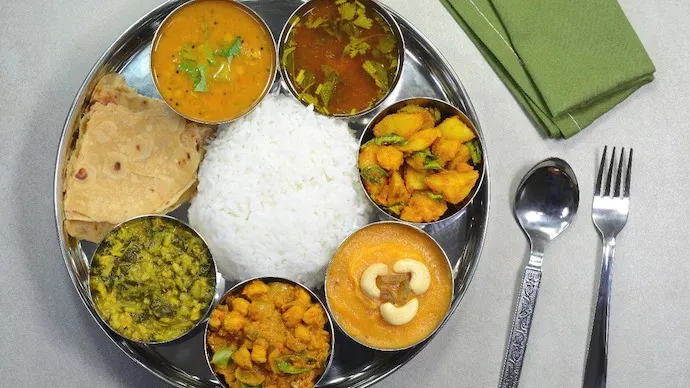
The Indian Council of Medical Research (ICMR) has emphasized the critical role of carbohydrates in national nutrition and public health strategies. Carbohydrates, as the primary source of energy, influence metabolic health, cognitive function, and disease prevention. Recent studies conducted under ICMR guidelines highlight both the benefits of complex carbohydrates and the risks associated with excessive refined sugar consumption, particularly in the context of rising diabetes and obesity rates in India. Public health policies are increasingly promoting balanced carbohydrate intake, emphasizing whole grains, fiber-rich foods, and portion control. These insights aim to guide dietary interventions and improve population-wide health outcomes.
Carbohydrates: Essential Energy Source
Carbohydrates are a cornerstone of human nutrition, supplying the body with glucose, the primary fuel for cellular activity. ICMR studies show that adequate carbohydrate intake supports brain function, muscle performance, and metabolic efficiency. Traditional Indian diets, rich in rice, wheat, and millets, provide a spectrum of complex carbohydrates that release energy gradually, preventing sudden spikes in blood sugar.
However, the proliferation of processed foods and sugary beverages has led to overconsumption of simple carbohydrates, contributing to metabolic disorders such as insulin resistance, obesity, and type 2 diabetes. Health experts stress the importance of distinguishing between complex and refined carbohydrates in dietary planning.
ICMR’s Guidelines on Carbohydrate Intake
The ICMR recommends a balanced carbohydrate distribution, comprising 50–60% of total daily energy intake, primarily from whole grains, pulses, fruits, and vegetables. These sources provide dietary fiber, vitamins, and minerals crucial for digestive health and chronic disease prevention.
Public health campaigns have been designed to educate citizens on portion control, glycemic load management, and the selection of nutrient-dense carbohydrate sources, particularly in urban centers experiencing a rise in lifestyle-related disorders.
Impact on Chronic Diseases
Emerging research under ICMR protocols underscores the link between carbohydrate quality and non-communicable diseases (NCDs). Diets high in refined sugars are strongly associated with increased risk of diabetes, cardiovascular disease, and obesity, while fiber-rich complex carbohydrates have protective effects.
Long-term studies indicate that integrating whole grains, legumes, and low-glycemic foods into daily meals can reduce postprandial glucose spikes and improve insulin sensitivity. Such dietary interventions are increasingly recognized as cost-effective strategies to curb the growing NCD burden in India.
Carbohydrates in Public Health Strategy
ICMR advocates for integrating carbohydrate-focused nutrition strategies into broader public health programs, including school meal planning, workplace wellness initiatives, and community nutrition workshops. By promoting whole-grain consumption, balanced meal composition, and reduced sugar intake, these initiatives aim to prevent chronic disease while improving overall population energy and productivity levels.
Nutrition labeling, educational campaigns, and digital outreach are additional tools used to guide informed consumer choices, helping individuals navigate the modern food landscape dominated by ultra-processed foods.
Future Directions and Research
Ongoing ICMR research seeks to refine dietary recommendations based on regional dietary patterns, socioeconomic factors, and emerging metabolic health trends. Studies are also exploring the synergistic effects of carbohydrate types with protein and fat intake, aiming to optimize nutritional strategies tailored to India’s diverse population.
Further investigations will continue to evaluate how dietary carbohydrate modifications can be integrated into preventive health programs, potentially mitigating the rising prevalence of diabetes and other metabolic disorders.
Conclusion
Carbohydrates remain a critical component of balanced nutrition, yet their quality, quantity, and source profoundly influence public health outcomes. ICMR’s evidence-based recommendations highlight the importance of complex carbohydrates and fiber-rich diets while cautioning against excessive refined sugar consumption.
By combining scientific research, policy interventions, and educational outreach, India aims to leverage nutritional strategies for disease prevention, improved metabolic health, and sustainable population well-being.
Comments