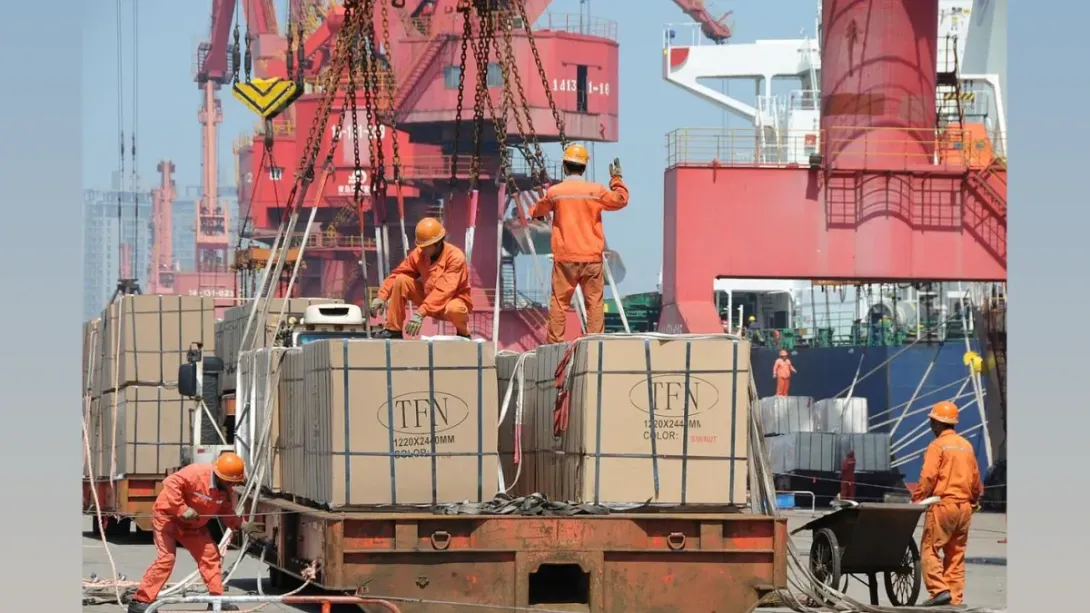
India is witnessing a sharp rise in fertiliser prices after China suspended exports of key raw materials and finished fertilisers, intensifying supply chain pressures. The move has triggered concerns among farmers, agribusinesses, and policymakers, as higher costs could affect crop input affordability and food production economics. Analysts highlight that India, a major importer of Chinese urea and phosphate derivatives, now faces the challenge of securing alternative sources while mitigating inflationary impact. The government is reportedly exploring strategic interventions, including import diversification, buffer stock management, and industry subsidies, to stabilize prices and safeguard agricultural productivity amid global supply disruptions.
China’s Export Suspension and Immediate Impact
China’s suspension of fertiliser exports has disrupted the supply of urea, potash, and phosphate-based compounds to India, which relies on these imports for domestic agricultural needs. The sudden shortage has led to price hikes across wholesale and retail markets, impacting farmers’ input costs ahead of key sowing seasons.
Domestic Market Reaction
The price surge has created volatility in the domestic fertiliser market. Retailers report increased demand ahead of monsoon planting, while wholesalers are grappling with limited stock. Agricultural economists warn that prolonged supply disruptions could pressure margins for farmers and influence crop planning decisions.
Government Response
Authorities are actively monitoring the situation and exploring several policy measures:
- Diversifying import sources from alternative countries to reduce dependency on a single supplier.
- Increasing buffer stock allocations to stabilize availability and prices.
- Providing subsidies or financial support to farmers to offset input cost inflation.
These steps aim to mitigate the economic impact on the agricultural sector and ensure food security.
Long-Term Implications
The episode underscores India’s vulnerability to global supply chain shocks in critical agricultural inputs. Experts suggest investing in domestic production, strategic reserves, and alternative sourcing channels to enhance resilience and reduce dependency on imports for essential fertilisers.
Outlook
While immediate price stabilization is a priority, long-term strategies focusing on self-sufficiency, supply diversification, and enhanced production efficiency will be crucial to insulate India’s agricultural sector from global market fluctuations and sustain rural economic stability.
Comments