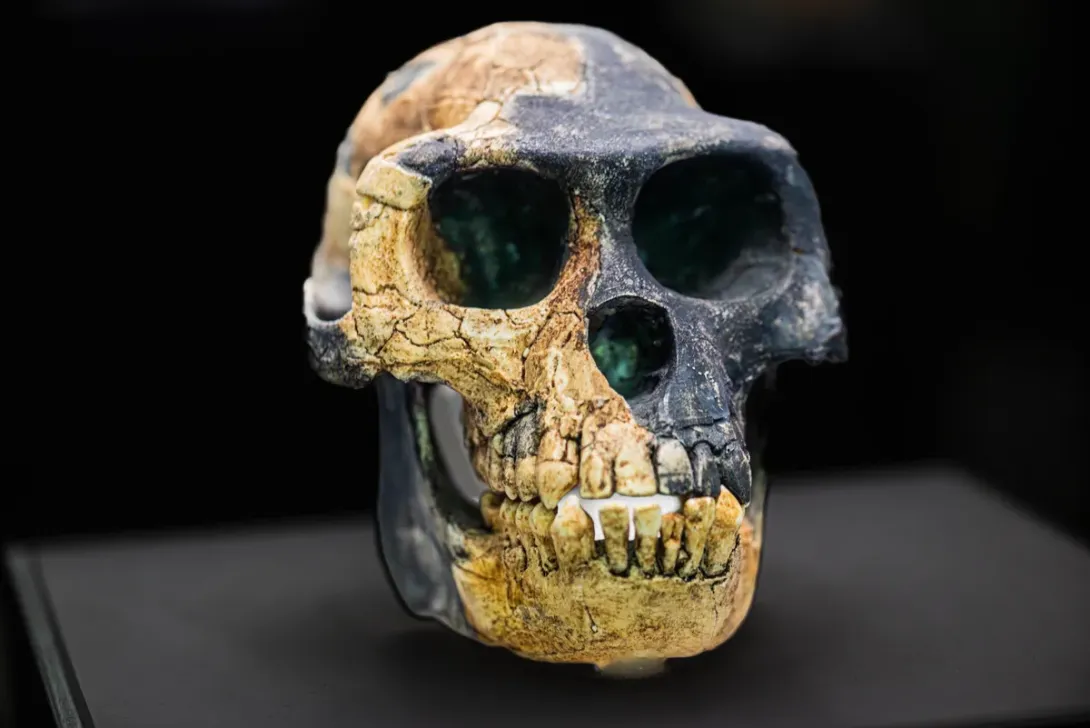
World Osteoporosis Day serves as a critical reminder of the growing global challenge posed by bone-related disorders, particularly osteoporosis, which affects millions worldwide. The day emphasizes the importance of early detection, preventive care, and public awareness to reduce the risk of fractures and long-term disability. Health organizations are advocating for stronger nutritional, lifestyle, and medical interventions to strengthen bone density and overall skeletal health. As populations age, the economic and social burden of bone degeneration is expected to rise, making osteoporosis a pressing public health concern. Education, screening, and proactive management are central to mitigating its impact.
Global Prevalence and Public Health Concerns
Osteoporosis, often referred to as the “silent disease,” gradually weakens bones, increasing susceptibility to fractures even from minor falls or injuries. According to recent studies, over 200 million people worldwide suffer from osteoporosis, with the majority being postmenopausal women. Men are increasingly recognized as an at-risk population, particularly after age 50. The World Health Organization has identified bone health as a growing public health priority, noting the significant economic costs associated with fracture management, long-term care, and lost productivity.
Importance of Awareness and Screening
World Osteoporosis Day, observed annually on October 20, is dedicated to raising awareness about bone health and preventive strategies. Health organizations emphasize early diagnosis through bone mineral density testing and risk assessment tools. Public campaigns highlight lifestyle interventions, including adequate calcium and vitamin D intake, regular weight-bearing exercise, and avoidance of smoking and excessive alcohol consumption. Awareness initiatives also encourage healthcare providers to integrate bone health evaluation into routine medical checkups, especially for vulnerable populations.
Advances in Treatment and Preventive Strategies
Medical science has made significant strides in managing osteoporosis, with a range of pharmacological therapies available to slow bone loss and promote regeneration. Bisphosphonates, selective estrogen receptor modulators, and monoclonal antibody treatments have demonstrated efficacy in reducing fracture risk. Complementing these treatments, public health initiatives advocate dietary optimization and exercise regimens to enhance bone density. Early intervention remains crucial, as prevention is more effective and cost-efficient than treating advanced complications.
Future Directions in Bone Health Management
With an aging global population, osteoporosis is projected to impose increasing socioeconomic burdens. Researchers and healthcare policymakers are exploring integrative strategies combining medical, nutritional, and technological solutions, such as digital monitoring and personalized risk assessment tools. Collaboration between governments, medical institutions, and public health organizations is essential to strengthen awareness campaigns and expand access to screening programs. World Osteoporosis Day not only highlights the current challenges but also serves as a catalyst for long-term investment in skeletal health, ensuring stronger bones and improved quality of life for future generations.
Comments