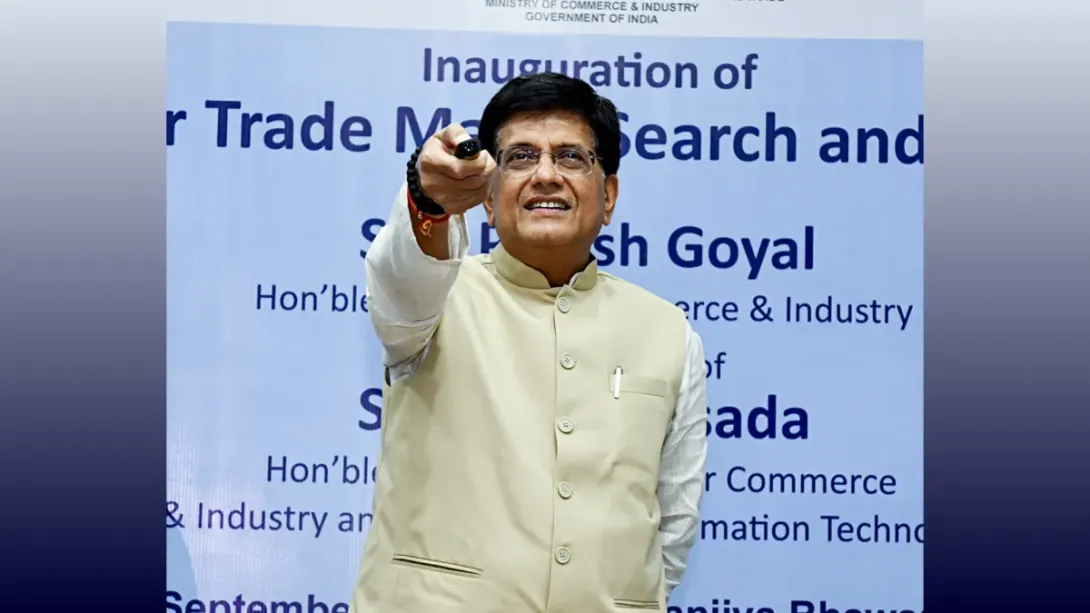
India and Germany are intensifying their economic partnership, with a focus on expanding trade, investment, and technological collaboration. Bilateral discussions underscore mutual interest in sectors such as renewable energy, manufacturing, and digital innovation. Both nations are committed to creating a stable investment climate, enhancing market access, and fostering joint ventures that leverage complementary strengths. Analysts view this cooperation as pivotal in driving sustainable economic growth, boosting export-import volumes, and attracting strategic foreign direct investment (FDI) into India’s industrial and technological sectors, reinforcing the long-term India-Germany economic corridor.
Bilateral Trade Overview
India and Germany have a robust trade history, with Germany being one of India’s key European partners.
- Trade Volume: Bilateral trade has steadily increased over the past decade, reaching approximately €26 billion in FY25.
- Exports & Imports: India primarily exports pharmaceuticals, IT services, and engineering goods, while Germany exports automobiles, machinery, and chemical products to India.
- Investment Trends: German companies are increasingly investing in renewable energy, electric mobility, and manufacturing units across India.
Strategic Cooperation Areas
The partnership emphasizes several priority sectors:
Renewable Energy & Sustainability: Joint ventures in solar, wind, and green hydrogen projects aim to reduce carbon footprints.
Advanced Manufacturing: Collaboration in Industry 4.0 technologies, automation, and smart factories seeks to enhance competitiveness.
Digital Economy & Innovation: Germany supports initiatives in AI, cybersecurity, and software solutions, aligning with India’s digital transformation agenda.
Skill Development & Knowledge Exchange: Training programs and technical exchanges aim to strengthen human capital in both nations.
Policy & Regulatory Support
- Both governments are streamlining procedures to facilitate foreign direct investment and trade efficiency.
- Initiatives include investment promotion forums, tax incentives, and simplified compliance mechanisms to encourage German enterprises.
- India’s recent policy measures to boost manufacturing, infrastructure, and start-up ecosystems complement Germany’s strategic investment goals.
Economic Implications
Experts suggest that enhanced India-Germany collaboration will:
- Boost bilateral trade and help India diversify exports to Europe.
- Attract strategic investments, particularly in high-tech and green industries.
- Strengthen supply chain resilience, especially in critical sectors like automotive, electronics, and chemicals.
- Serve as a model for India’s broader engagement with European economies through technology-driven partnerships.
Future Outlook
India and Germany plan to institutionalize regular high-level dialogues, strengthen joint research and development, and expand public-private partnerships.
With the combined focus on innovation, sustainability, and industrial growth, the bilateral partnership is poised to deepen economic integration, providing tangible benefits for businesses, investors, and consumers in both countries.
Comments