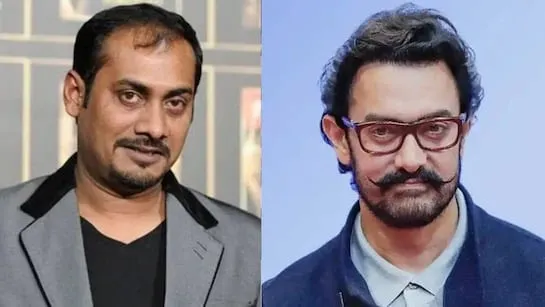
Filmmaker Abhinav Kashyap, known for directing Dabangg, has publicly criticized actor Aamir Khan, calling him “sabse chaalaak lomdi” and alleging manipulative behavior in the film industry. Kashyap’s remarks, shared during an interview, have sparked intense discussion among cinephiles and industry insiders, raising questions about professional dynamics, power, and influence in Bollywood. The accusations highlight ongoing debates regarding transparency, creative credit, and the challenges faced by directors and collaborators when navigating relationships with high-profile actors. The controversy has prompted social media discourse, as fans and critics weigh in on the credibility of the claims and the broader implications for industry culture.
---
Allegations of Manipulative Behavior
Abhinav Kashyap, whose directorial work on Dabangg cemented his reputation, leveled serious accusations against Aamir Khan, alleging that the actor exercised undue influence over creative and professional decisions. Calling him “sabse chaalaak lomdi,” Kashyap suggested that Khan strategically maneuvered situations to his advantage, impacting collaborative processes and potentially overshadowing contributions from directors and co-creators.
While the filmmaker’s comments are personal and unverified, they have reignited discussions about hierarchical structures in Bollywood, where the actions of star actors often significantly shape project outcomes and industry narratives.
---
Industry and Public Reaction
The statements have generated widespread attention across social media and entertainment news platforms. Some fans and insiders defended Aamir Khan, emphasizing his professional legacy and influence in shaping successful cinematic projects. Others, however, acknowledged Kashyap’s perspective, noting historical instances of creative differences and power imbalances between directors and leading actors.
Analysts observe that such public disputes, while controversial, are not uncommon in film industries globally, where high stakes, reputation, and creative control frequently intersect.
---
Implications for Bollywood Collaboration Culture
The controversy underscores broader structural dynamics in Bollywood, particularly the tension between star power and directorial authority. Directors often navigate complex relationships with actors whose market influence can dictate project trajectories, distribution strategies, and audience reception. Kashyap’s comments highlight potential friction points in collaborative processes, emphasizing the need for transparent and equitable creative partnerships.
Such incidents also influence public perception of professional ethics in the industry, potentially impacting trust, career trajectories, and audience engagement with future projects.
---
Broader Conversations on Accountability
Beyond the individual dispute, the remarks spark conversations about accountability, respect, and professional decorum in high-profile creative industries. Observers note that open dialogue about manipulative or strategic behavior—while controversial—can encourage more equitable practices, ensure credit for contributions, and foster healthier working environments.
The discourse surrounding Kashyap’s statements thus transcends personal grievance, reflecting systemic challenges in balancing influence, creativity, and fairness within Bollywood’s complex ecosystem.
Comments