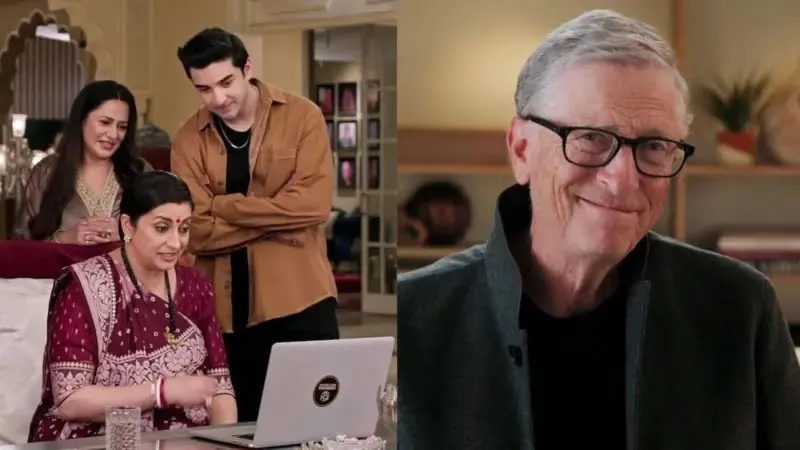
In a surprising cross-cultural moment, tech magnate Bill Gates made a cameo appearance in a beloved Indian television drama, delighting audiences and generating international buzz. The cameo was not merely a publicity stunt but aligned with Gates’ philanthropic initiatives and advocacy for digital literacy and public health. The episode integrates his persona seamlessly into the narrative, highlighting global collaboration and social messaging through mainstream entertainment. This unexpected appearance underscores how celebrity influence, corporate social responsibility, and storytelling can intersect, creating unique opportunities for awareness campaigns while bridging cultural divides between India and global thought leaders.
Context of the Cameo
Bill Gates’ appearance in the TV drama was orchestrated as part of a storyline that emphasized themes of education, innovation, and social welfare. The producers strategically incorporated his cameo to resonate with audiences, leveraging his reputation as a global philanthropist and technology pioneer.
According to production insiders, Gates personally approved the script segment, ensuring that his portrayal aligned with his public persona and philanthropic vision. The cameo was filmed over two days, blending seamlessly with the ongoing plot to maintain narrative cohesion.
Philanthropic Messaging Through Entertainment
The inclusion of Gates serves a dual purpose: entertaining viewers and subtly reinforcing messages about public health, vaccination, and digital inclusion. Gates has long championed initiatives in India through the Bill & Melinda Gates Foundation, particularly in healthcare and education. By appearing on a mainstream TV platform, he extends the reach of these campaigns, especially among urban and semi-urban audiences who form a large portion of the show’s viewership.
Experts in media strategy note that such integrations exemplify a modern approach to advocacy—merging entertainment with educational messaging to influence public awareness organically.
Industry and Audience Reactions
The cameo has elicited enthusiastic reactions from both the television industry and the general public. Social media platforms quickly amplified the episode, generating viral discussions and extensive coverage in entertainment news outlets.
Critics have praised the move as an innovative way to blend celebrity influence with social responsibility. Viewers expressed surprise and excitement, highlighting the novelty of seeing a global figure like Gates participating in a locally cherished narrative. Ratings for the episode reportedly saw a measurable spike, indicating the effectiveness of high-profile cameo appearances in driving audience engagement.
Cultural and Global Significance
Gates’ participation highlights the evolving role of cross-cultural collaborations in media. By bridging Western influence and Indian storytelling, the cameo underscores a growing trend of global figures engaging with local narratives to promote social causes.
For the television industry, this opens avenues for leveraging international personalities to enhance content credibility and attract diverse audiences. For Gates, it reinforces his image as a socially conscious leader willing to explore unconventional platforms to further philanthropic objectives.
Strategic Implications
From a business perspective, the cameo represents a masterstroke in branding and public engagement. It demonstrates how entertainment can act as a conduit for corporate social responsibility messaging, creating a synergy between narrative appeal and social impact.
Media analysts suggest that such collaborations could set a precedent for other high-profile figures seeking to engage with emerging markets in meaningful ways, combining celebrity influence with authentic storytelling to reach wide demographics.
Conclusion
Bill Gates’ cameo in the iconic Indian TV drama transcends mere entertainment, illustrating the power of media as a platform for social messaging. By integrating global influence into local storytelling, the episode successfully balances narrative engagement, audience surprise, and advocacy for education and public welfare. This instance exemplifies the potential for international leaders to harness popular culture in promoting meaningful change, bridging cultural divides, and creating lasting impact beyond traditional philanthropic avenues.
Comments