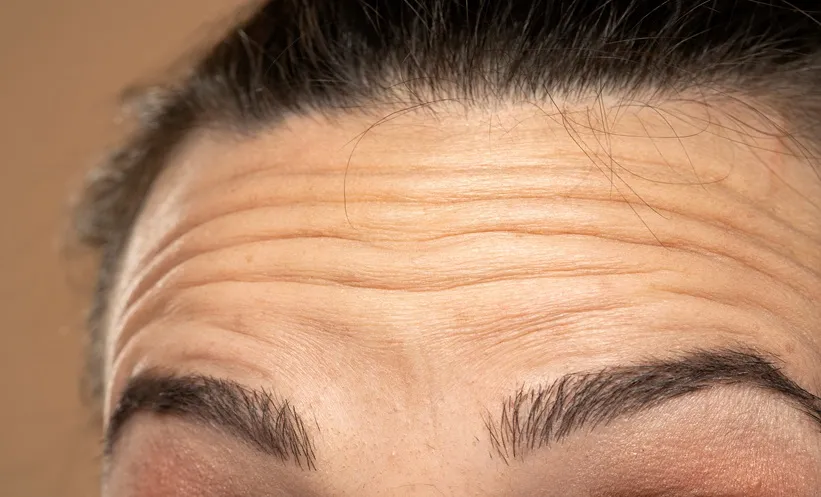
A novel artificial intelligence (AI) model has been developed to predict accelerated facial aging associated with tobacco use, providing compelling visual evidence of smoking’s impact on physical appearance. Researchers trained the AI on large datasets of facial images, correlating age-related features with tobacco consumption patterns. Beyond its cosmetic implications, the model offers a powerful tool for public health advocacy, helping communicate the tangible effects of smoking. Experts believe this approach could complement anti-smoking campaigns by delivering personalized, data-driven visualizations, potentially motivating behavioral change while advancing understanding of how lifestyle factors accelerate biological aging.
---
Development of the AI Model
Researchers designed the AI system to analyze subtle facial changes linked to aging, including wrinkles, skin texture, and sagging. By comparing images of smokers and non-smokers across different age groups, the model identifies patterns indicative of premature aging caused by tobacco use.
The AI leverages deep learning techniques to generate predictive visualizations, demonstrating how sustained smoking can accelerate visible aging compared with non-smokers of the same chronological age.
---
Implications for Public Health
Experts highlight that the AI model could become a persuasive educational tool in anti-smoking campaigns. By offering personalized visual representations of future facial changes, the technology may enhance awareness of tobacco’s detrimental effects beyond internal health risks such as cardiovascular and pulmonary disease.
Behavioral scientists suggest that seeing potential personal consequences in a realistic, visual format can significantly increase motivation to quit smoking, particularly among younger demographics.
---
Technological and Ethical Considerations
While the AI demonstrates impressive predictive capabilities, researchers emphasize ethical considerations, including privacy protection and responsible usage. Data anonymization and informed consent were central to the model’s development, ensuring that participants’ facial images were securely handled.
Additionally, experts caution against using the model for commercial cosmetic judgments or discriminatory purposes, advocating its role primarily in health education and behavioral research.
---
Broader Scientific Insights
The project underscores the intersection of AI, biomedical research, and behavioral health. By quantifying the visible consequences of lifestyle choices, such as tobacco use, the model contributes to understanding how environmental and personal factors accelerate biological aging.
Future applications may extend beyond smoking, exploring the impact of alcohol consumption, sleep deprivation, sun exposure, and other factors on facial aging and overall health.
---
Public Engagement and Awareness
The AI-generated visualizations are being piloted in educational settings and public health initiatives. Initial trials indicate that participants are more likely to engage with anti-smoking messages when presented with tangible, personalized predictions of aging.
Health organizations are exploring integration with digital platforms and mobile apps, potentially reaching millions of users with individualized, visually impactful content.
---
Conclusion
The development of an AI model predicting facial aging from tobacco use marks a significant step in merging technology with public health advocacy. By translating abstract health risks into concrete, personalized visual evidence, the approach has the potential to enhance awareness, encourage smoking cessation, and support preventive health strategies. As AI continues to advance, similar models could revolutionize how lifestyle impacts are communicated, empowering individuals to make informed choices about their health and wellbeing.
Comments