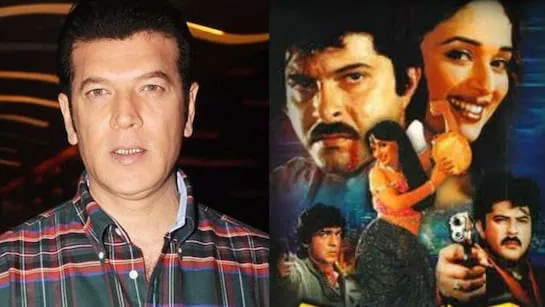
Actor Aditya Pancholi recently revisited a defining moment from his early career, recalling how he was replaced in the 1988 blockbuster Tezaab, a film that became a turning point for Anil Kapoor. Without directly naming anyone, Pancholi hinted that an actor with an “influential brother” had taken over the role initially offered to him. His remarks, perceived by many as a veiled comment about Anil Kapoor, shed light on the longstanding conversations about nepotism and influence within Bollywood. The revelation has sparked renewed discussion about power dynamics in the film industry and how they shape careers.
A Missed Opportunity That Defined a Career
Aditya Pancholi’s recollection of losing Tezaab—one of Bollywood’s most iconic films—has stirred curiosity among film enthusiasts. Pancholi shared that he had been cast in the film’s lead role but was unexpectedly replaced before production began. While he refrained from explicitly naming anyone, his reference to an actor “with an influential brother” has been widely interpreted as an allusion to Anil Kapoor, whose elder brother, Boney Kapoor, is a prominent film producer.
Pancholi, known for his candid nature, spoke about the emotional and professional setback the incident caused. He described how losing Tezaab was a turning point that forced him to rebuild his career from scratch—a challenge faced by many actors navigating the volatile world of Bollywood.
The ‘Tezaab’ Phenomenon and Its Legacy
Released in 1988, Tezaab became a defining moment in Hindi cinema. Directed by N. Chandra, the film propelled Anil Kapoor and Madhuri Dixit to superstardom, cementing their status as two of the industry’s biggest names. The movie’s success was driven by its gripping storyline, intense performances, and chart-topping music, particularly the timeless hit Ek Do Teen.
For Pancholi, missing out on such a career-defining film was undoubtedly a setback. However, he later established himself as a versatile performer through films like Saathi, Yes Boss, and Musafir. Despite the missed opportunity, Pancholi’s resilience and talent earned him recognition as one of Bollywood’s most enigmatic actors of the 1990s.
Power, Influence, and the Industry’s Inner Workings
Pancholi’s remarks reignite conversations about nepotism and the power hierarchies that have long existed in Bollywood. The phrase “influential brother” underscores how connections and industry influence can sometimes shape casting decisions—an issue that has persisted for decades.
While the film industry has evolved significantly, questions about fairness and meritocracy remain relevant. Pancholi’s experience serves as a reminder of the emotional and professional challenges faced by artists who operate outside the sphere of powerful networks. His story mirrors that of many talented individuals whose careers were altered by behind-the-scenes decisions that had little to do with talent alone.
A Reflection, Not a Grudge
Despite the undertones of frustration, Pancholi’s reflections appear more contemplative than resentful. The actor has often spoken about the unpredictable nature of success in the film industry, acknowledging that every artist’s journey is shaped by both opportunity and circumstance.
By revisiting his early career setback, Pancholi offers a glimpse into the less glamorous side of Bollywood—a world where perseverance often matters as much as connections. His candidness also adds to his reputation as an actor unafraid to speak his truth, regardless of how it may be received.
Final Thoughts
Aditya Pancholi’s revelation about losing Tezaab serves as a poignant reminder of how fate and influence intertwine in the entertainment industry. While the film became a major success for Anil Kapoor, Pancholi’s story adds depth to its legacy, revealing the unseen stories behind Bollywood’s biggest hits.
In an era where conversations around nepotism and fairness continue to dominate the industry, Pancholi’s account highlights a timeless reality—talent may open doors, but influence often decides who walks through them. Yet, despite the missed opportunity, Pancholi’s enduring presence in Indian cinema speaks to his resilience, proving that true artistry finds its way, even beyond the shadows of lost roles.
Comments