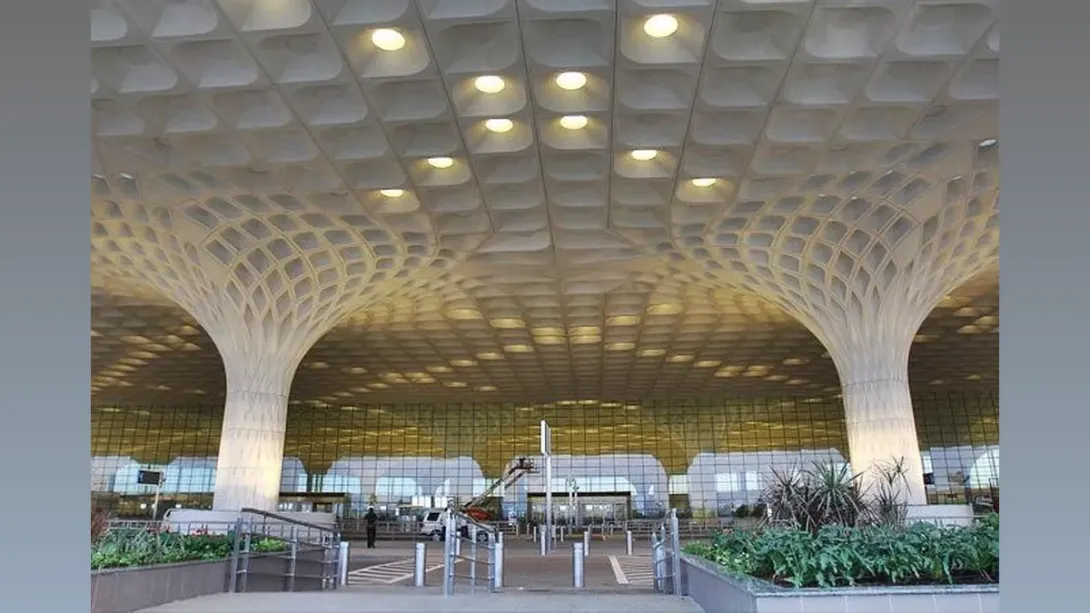
Adani Airports Holdings Ltd (AAHL), part of the Adani Group’s infrastructure portfolio, has introduced advanced artificial intelligence (AI) technologies to deliver a more personalized, seamless, and data-driven passenger experience across its airport network. The initiative aims to enhance operational efficiency, reduce wait times, and improve engagement through real-time analytics and predictive insights. By integrating AI into key touchpoints such as check-in, security, and retail, Adani Airports seeks to create India’s first truly “smart airport ecosystem,” aligning with global benchmarks in aviation technology and passenger-centric innovation.
Transforming Passenger Journeys Through Artificial Intelligence
In a strategic move toward digital transformation, Adani Airports Holdings Ltd announced the deployment of AI-powered solutions across its airports to revolutionize the way passengers travel. The company, which manages key airports in Mumbai, Ahmedabad, Lucknow, Mangaluru, Guwahati, Jaipur, and Thiruvananthapuram, is leveraging cutting-edge technology to deliver a personalized, predictive, and frictionless travel experience.
The new AI systems are designed to optimize multiple facets of airport management—from crowd control and security checks to passenger flow monitoring and retail analytics. Through intelligent data modeling, the platform will anticipate traveler needs, provide real-time updates, and assist in navigation, check-in, and boarding processes.
“Adani Airports is committed to creating the airport of the future — one that combines human warmth with technological intelligence,” the company said in a statement, underscoring its goal to enhance convenience and comfort for millions of passengers annually.
Personalization at the Core of the New Vision
The AI initiative focuses heavily on hyper-personalization, using data-driven insights to tailor services according to individual traveler preferences. From flight notifications and baggage updates to dining recommendations and duty-free offers, passengers can expect a more intuitive and responsive digital experience.
Facial recognition systems and predictive analytics will also play key roles in streamlining security and immigration processes. These innovations are expected to significantly reduce dwell time and improve throughput, allowing for smoother movement within terminals.
Additionally, AI-based sentiment analysis tools will monitor passenger feedback in real time, enabling airport teams to respond proactively to concerns and maintain service excellence.
Operational Efficiency and Sustainability Gains
Beyond customer engagement, AI integration is also being used to enhance operational efficiency across airport systems. Predictive maintenance algorithms will track the performance of critical equipment — such as escalators, baggage belts, and HVAC systems — reducing downtime and optimizing energy consumption.
By analyzing passenger traffic patterns, the system will dynamically allocate resources such as check-in counters and boarding gates, improving overall terminal efficiency. The move aligns with Adani Group’s broader commitment to sustainable and technology-led infrastructure, combining environmental responsibility with advanced digital solutions.
Experts believe that AI-driven energy management and predictive logistics could help the company reduce operational costs while lowering its carbon footprint, aligning with global aviation sustainability standards.
Setting New Benchmarks in Indian Aviation
Industry observers view Adani Airports’ adoption of AI as a decisive step in elevating India’s aviation ecosystem to global standards. The company’s airports, already among the busiest in the country, are expected to benefit from improved turnaround times and superior passenger satisfaction metrics.
“Airports are becoming intelligent ecosystems where data and automation define the travel experience,” said an aviation technology analyst. “Adani’s investment in AI not only enhances competitiveness but also sets a new benchmark for how Indian airports can leverage technology to boost efficiency and traveler comfort.”
This move also comes at a time when India’s aviation sector is experiencing rapid expansion, with rising passenger volumes demanding scalable and tech-driven management solutions.
The Future: From Smart Airports to Intelligent Ecosystems
Looking ahead, Adani Airports plans to integrate its AI systems with emerging technologies such as Internet of Things (IoT) sensors, digital twins, and machine learning-driven forecasting tools. The aim is to build an interconnected airport network capable of learning continuously from operational data and traveler behavior.
These innovations will not only support the company’s long-term growth ambitions but also position India as a leader in AI-enabled airport management. As global travel demand accelerates, Adani’s technological leap could help redefine passenger experience standards, blending efficiency, sustainability, and personalization into every stage of the journey.
Conclusion
With its latest AI-driven initiative, Adani Airports is charting a bold path toward the future of intelligent aviation. By fusing innovation with passenger-centric design, the company is transforming airports from transit hubs into smart, responsive environments that anticipate and cater to travelers’ needs.
Comments