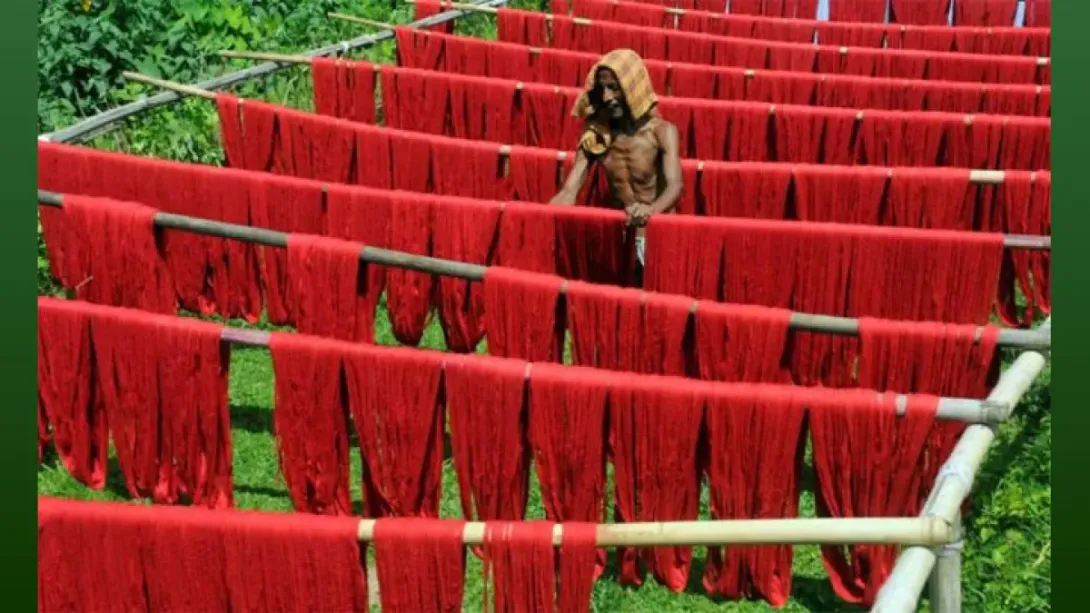
The Northeast Textile Sector Conclave convened industry leaders, policymakers, and entrepreneurs to explore strategies for boosting growth, innovation, and employment in the region’s textile and handicraft ecosystem. The event emphasized leveraging local resources, traditional skills, and modern technology to enhance productivity, market access, and global competitiveness. Discussions focused on value chain integration, skill development, and sustainable practices, alongside opportunities for private investment and government support. The conclave also underscored the sector’s potential to empower women and rural communities, making textiles not only an economic driver but a catalyst for social development.
Driving Growth in Northeast Textiles
The Northeast region of India possesses a rich tapestry of traditional textiles, handlooms, and artisanal crafts. The conclave highlighted the economic potential of these sectors, emphasizing their role in regional employment generation and export promotion.
Experts noted that modernizing production techniques, improving design innovation, and integrating technology can significantly boost productivity without compromising the cultural authenticity of traditional products. Government initiatives and policy incentives were identified as key enablers for scaling operations and attracting both domestic and foreign investment.
Empowering Communities Through Skills and Innovation
Skill development emerged as a central theme, particularly for women and rural artisans who form the backbone of the textile value chain. Training programs in design, quality control, and market-oriented production can enhance livelihoods and reduce migration pressures.
Panelists discussed the importance of entrepreneurship support, digital literacy, and access to credit facilities, enabling local producers to expand into e-commerce platforms and international markets. The convergence of traditional knowledge with modern business practices was presented as a pathway to sustainable growth and social empowerment.
Sustainability and Market Integration
Sustainable production practices, eco-friendly dyes, and organic fibers were highlighted as essential for long-term competitiveness. The conclave stressed that environmentally conscious methods not only align with global market trends but also add value to the brand proposition of Northeast textiles.
Participants also emphasized strengthening supply chains and logistics infrastructure to reduce costs, improve delivery timelines, and integrate the region’s products into broader national and international markets.
Government Support and Policy Measures
Policymakers at the conclave outlined various incentives, subsidies, and schemes to promote textiles, including financial aid for modern machinery, export promotion programs, and incubation centers for start-ups.
The collaboration between government bodies, industry associations, and financial institutions was identified as critical for creating an enabling ecosystem that balances tradition, innovation, and market viability.
Strategic Outlook
The Northeast Textile Sector Conclave underscored the sector’s dual potential: driving economic growth and fostering social empowerment. By blending innovation, skill development, and sustainable practices, the region’s textile industry can emerge as a model for inclusive growth.
Comments