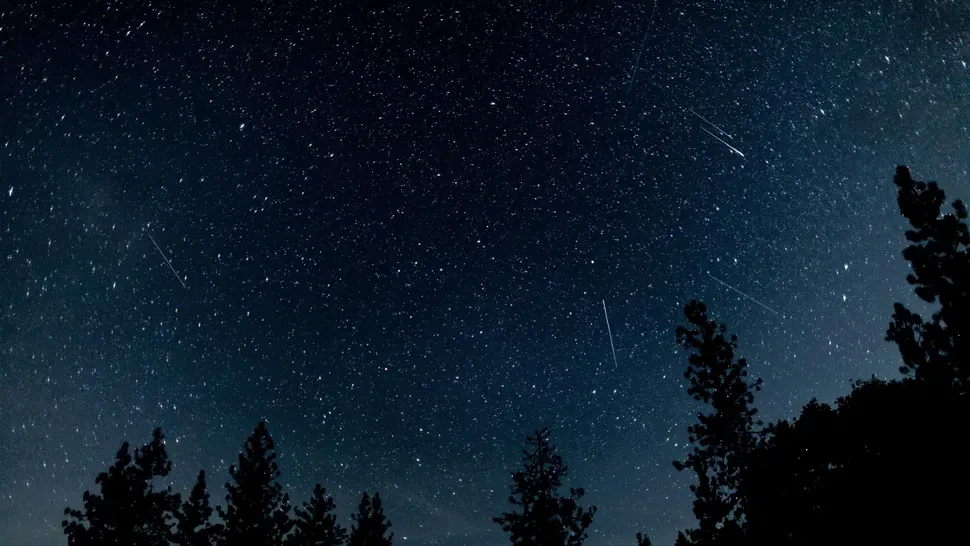
The Orionid meteor shower, an annual spectacle originating from Halley’s Comet debris, is set to peak on the night of October 21–22, 2025. Skywatchers can expect bright, fast-moving meteors radiating from the Orion constellation, offering one of the year’s most anticipated celestial displays. Favorable conditions coincide with a new moon, ensuring minimal light interference and optimal viewing. Peak activity is forecasted between midnight and dawn, with up to 20 meteors per hour visible under clear skies. Observers are advised to seek dark, open locations away from city lights to fully appreciate this astronomical phenomenon.
What Are the Orionids?
The Orionid meteor shower occurs annually as Earth passes through trails of debris left by Halley’s Comet. These particles enter the atmosphere at high speeds, producing luminous streaks visible across the night sky. Meteors appear to originate from the Orion constellation, which becomes the radiant point for observers. The shower’s active period spans from early October to early November, with the peak offering the most concentrated display of meteors.
Best Times for Observation
For 2025, the peak is expected during the night of October 21–22. The late-night hours through pre-dawn offer the best viewing window, as the sky reaches maximum darkness. The coinciding new moon ensures minimal moonlight, enhancing visibility. Stargazers should allow at least 30 minutes for their eyes to adjust to darkness to detect the faintest meteors.
Viewing Tips
- Choose Dark Locations: Avoid urban areas and light pollution for unobstructed visibility.
- Look Toward Orion: Meteors will appear to radiate from the constellation Orion, rising in the eastern sky around midnight.
- Be Patient: Meteor appearances are sporadic; extended observation increases the number of sightings.
- Dress Appropriately: Nighttime temperatures can drop significantly; bring warm clothing and blankets.
- Check Weather Forecasts: Clear skies are essential; clouds can obscure the meteors.
Global Visibility
The Orionids are primarily visible in the Northern Hemisphere, but southern observers, including those in Australia and South Africa, can also witness the shower. The best viewing occurs after midnight when the Orion constellation rises higher in the sky. The meteors can be seen in all directions, though they will appear to radiate from Orion’s belt and sword.
Significance and Outlook
Meteor showers like the Orionids provide a tangible connection to our solar system and the ongoing journey of celestial bodies. While the Orionids are relatively modest in intensity compared to some showers, their speed and brightness make them a captivating experience for both amateur and seasoned astronomers. Following this event, the Southern Taurids will offer another opportunity for meteor observation, although visibility may be impacted by the full moon in early November.
Comments