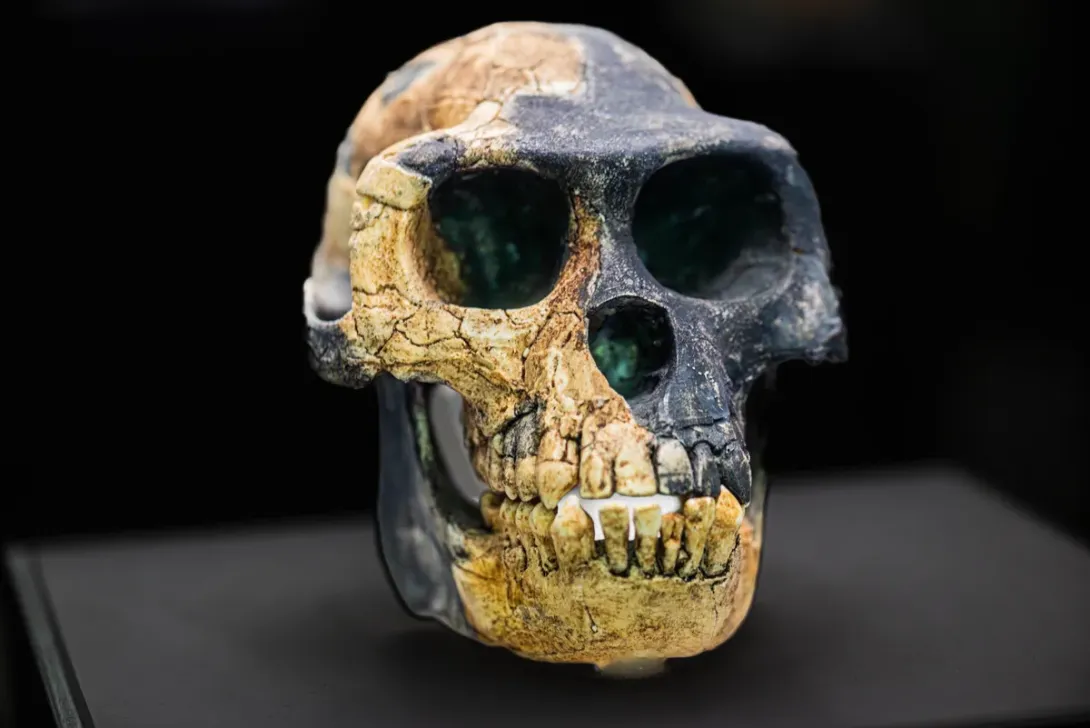
A team of paleontologists has uncovered a remarkably well-preserved ankle bone fossil, shedding light on the evolutionary trajectory of early terrestrial vertebrates. The discovery, dated to several million years ago, provides critical evidence about locomotion, body structure, and habitat adaptation in prehistoric species. Analysis of the fossil’s morphology suggests links to both modern and extinct lineages, offering fresh perspectives on evolutionary biology. The find underscores the importance of fossil sites in reconstructing Earth’s biological history and highlights the continuing potential for groundbreaking discoveries that refine our understanding of ancient life and its complex evolutionary pathways.
Discovery and Excavation
The fossilized ankle bone was recovered from a sedimentary rock formation long known for yielding significant paleontological finds. Excavation teams employed meticulous stratigraphic techniques to ensure the fossil’s context and integrity were preserved. Initial assessments indicate that the specimen belonged to a species that exhibits transitional characteristics, bridging anatomical features between earlier amphibians and later terrestrial vertebrates. Such discoveries are rare and provide an invaluable glimpse into the evolutionary adaptations that enabled vertebrates to thrive on land.
Morphological Analysis
Detailed examination of the ankle bone reveals a complex structure indicative of advanced locomotor capabilities. Paleontologists note that the joint configuration suggests both stability and flexibility, essential for navigating diverse terrains. Comparisons with fossil records from similar periods point to evolutionary experimentation in limb anatomy, highlighting how environmental pressures may have influenced structural adaptations. The morphology offers key insights into functional biomechanics, suggesting that the species may have been adept at both terrestrial movement and limited aquatic mobility.
Evolutionary Significance
This discovery holds profound implications for the study of vertebrate evolution. Transitional fossils such as this ankle bone help fill critical gaps in the fossil record, providing tangible evidence of intermediate forms that connect ancestral species with their modern descendants. By analyzing skeletal structures in detail, scientists can infer patterns of locomotion, habitat preferences, and ecological interactions. These insights contribute to a broader understanding of evolutionary mechanisms, including natural selection and morphological innovation, that have shaped the vertebrate lineage over millions of years.
Future Research Directions
Researchers plan to employ advanced imaging techniques, including 3D scanning and micro-CT analysis, to further study the fossil’s internal architecture. Ongoing comparative studies with other fossilized limb elements aim to reconstruct the organism’s full skeletal anatomy and better understand its lifestyle and ecological role. The discovery reinforces the significance of targeted excavations and multidisciplinary research in unearthing critical evidence of life’s evolutionary journey. As the scientific community continues to examine the specimen, this find is poised to influence theories of vertebrate adaptation and evolutionary history for years to come.
Comments