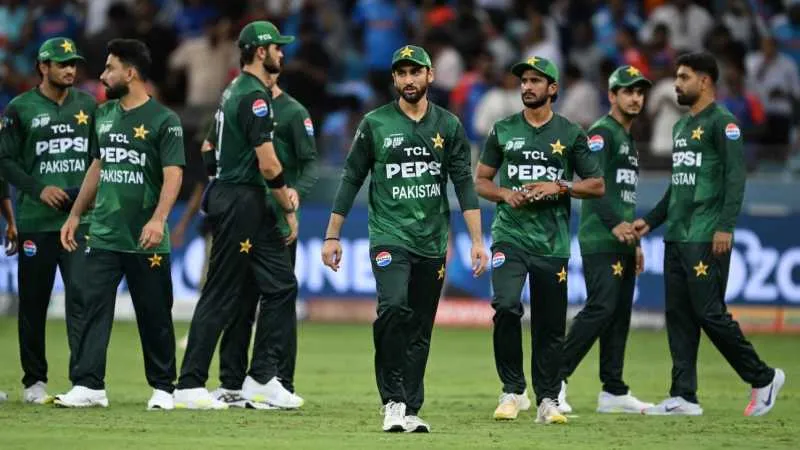
In a dramatic escalation of cricket governance disputes, Pakistan Cricket Board (PCB) Chairman Mohsin Naqvi has demanded the immediate removal of match referee Jeff Crowe Pycroft, citing concerns over impartiality and professionalism. The call follows a string of contentious decisions that the PCB believes have undermined the spirit of the game and disadvantaged the national team. Naqvi’s stance highlights the deepening friction between cricket boards and officiating authorities, reviving debate on transparency, accountability, and fair play in international cricket. The development underscores the growing pressure on global cricket administrators to address disputes before they erode confidence in the sport’s integrity.
Background to the Dispute
The PCB’s strong reaction comes after repeated grievances over match officiating during recent international fixtures. Chairman Naqvi, in an unequivocal statement, questioned the fairness of decisions made under Pycroft’s oversight, alleging a pattern that has adversely impacted Pakistan’s competitive standing. While disagreements with referees are not unusual, the demand for an immediate dismissal is a rare and forceful step, signaling the gravity of the board’s dissatisfaction.
The PCB’s Standpoint
Naqvi’s intervention is framed around the principle of accountability in cricket governance. The PCB argues that match referees must uphold the highest standards of neutrality, ensuring players and teams are judged without bias. By publicly pressing for Pycroft’s removal, the board seeks not only corrective action but also a wider conversation on the protocols governing referee appointments and reviews. This move indicates a strategic effort to assert Pakistan’s position within the broader cricketing establishment.
Implications for International Cricket
The demand has far-reaching implications, as it places the International Cricket Council (ICC) under pressure to respond decisively. If the concerns are left unaddressed, it could fuel perceptions of favoritism or inadequate oversight in the sport’s officiating structures. Moreover, the episode highlights the fragile balance between national boards and global administrators, where disputes over fairness can quickly escalate into institutional standoffs.
Balancing Governance and Integrity
While the PCB’s grievances resonate with calls for more transparent governance, critics argue that pressing for an official’s removal risks politicizing the role of match referees. The incident underscores the need for a structured grievance redressal system that ensures disputes are handled professionally, without undermining the authority of officials. For cricket to maintain its integrity, governing bodies must navigate these challenges with prudence, balancing accountability with the autonomy of referees.
Conclusion
The PCB’s demand for Pycroft’s removal reflects not only frustration over specific match decisions but also deeper concerns about the credibility of officiating in global cricket. Whether the ICC acts swiftly or chooses to defend its referee, the episode has reignited critical debate about fairness, transparency, and governance in the sport. For cricket’s future, resolving such disputes with integrity and clarity will remain paramount.
Comments