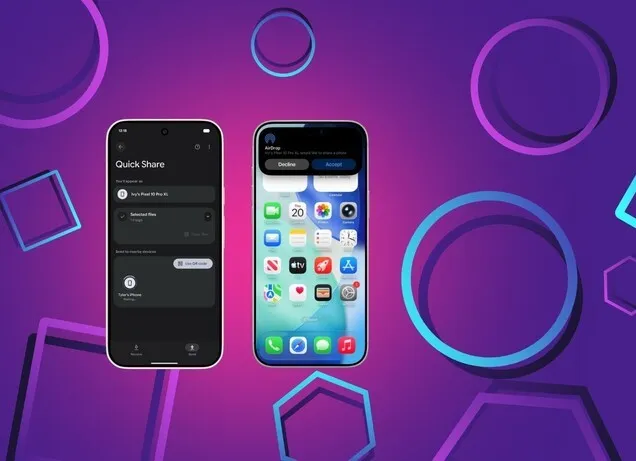
Google’s Pixel 10 lineup has received a significant upgrade with the introduction of AirDrop-like functionality, enabling seamless, high-speed file sharing across compatible devices. This development marks a crucial step toward reducing digital fragmentation between operating systems, particularly for users who frequently switch between Android and Apple ecosystems. The enhancement strengthens Google’s competitive stance in the premium smartphone market, offering faster transfers, improved security protocols, and smoother device detection. As consumers increasingly demand interoperable solutions, the Pixel 10’s new feature highlights Google’s broader strategy to enhance productivity, streamline communication, and redefine convenience in modern mobile connectivity.
Google Advances Cross-Platform Sharing With New Pixel 10 Feature
Google has rolled out a transformative file-sharing capability for the Pixel 10 series, allowing the devices to interact with a system similar to Apple’s AirDrop. The update equips users to exchange photos, documents, videos, and other media rapidly, bypassing the cumbersome steps historically required for cross-platform transfers.
The technology relies on a blend of Bluetooth, Wi-Fi Direct, and encrypted peer-to-peer communication, enabling users to initiate transfers with minimal effort and maximum speed.
Closing the Gap Between Android and Apple Ecosystems
For years, the inability to share files effortlessly between operating systems has been one of the most pronounced barriers for consumers. With this upgrade, Google significantly narrows the usability divide between Android and Apple devices, offering consumers more flexibility in how they manage their digital workflows.
The Pixel 10’s new feature signals Google’s intention to reduce ecosystem lock-in, promoting a more inclusive and cooperative digital environment. This is particularly beneficial for households and workplaces where mixing devices across platforms is now the norm rather than the exception.
Enhanced Speed, Precision, and Security for Modern Users
The upgraded sharing function brings substantial improvements in performance. File transfers are not only faster but also more stable, even when handling large or high-resolution content. The system detects nearby devices with greater accuracy, reducing errors and preventing accidental transfers.
Google has fortified the process with end-to-end encryption, addressing the growing demand for secure communication channels. For professionals handling sensitive files—or everyday users concerned about data privacy—this enhancement provides reassurance that their information remains protected throughout the transfer.
Strengthening Google’s Competitive Position
The Pixel 10 series stands to benefit significantly from this update, adding a feature long considered one of Apple’s strongest ecosystem advantages. By offering comparable functionality, Google increases the Pixel lineup’s appeal in the premium smartphone segment, potentially influencing purchasing decisions among users seeking flexibility without compromising convenience.
Industry experts view this move as part of Google’s broader strategy to reinforce Android’s competitiveness through interoperability, intelligent services, and tighter integration across its hardware and software offerings.
What This Means for Consumers and the Future of File Sharing
For consumers, the Pixel 10’s new sharing capability represents an immediate improvement in daily usability. Whether collaborating at work, exchanging media among friends, or managing files across personal devices, users benefit from a faster, simpler, and more intuitive experience.
Looking forward, analysts expect Google to expand and refine this functionality, possibly integrating AI-driven discovery, automated transfer suggestions, and deeper cloud synchronization. As digital ecosystems continue to converge, innovations like this will play a vital role in defining how users interact with technology.
Comments