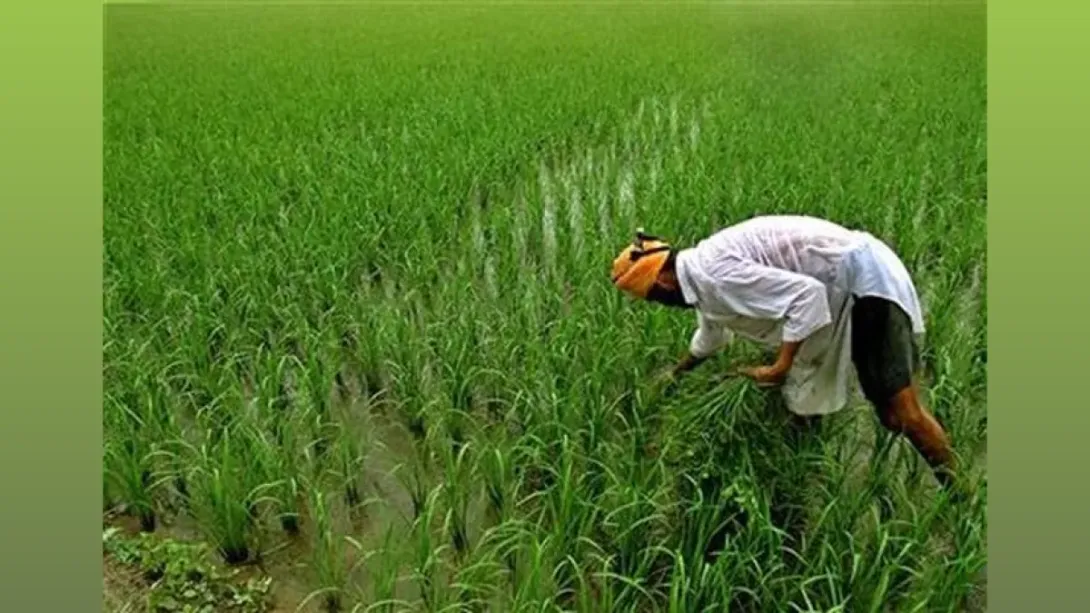
Prime Minister Narendra Modi has unveiled a focused strategy to boost productivity and income in India’s underperforming farm districts, aiming to address regional disparities in agricultural output. The initiative emphasizes modern farming techniques, irrigation improvements, soil health management, and access to credit and markets. Experts note that the program seeks to empower small and marginal farmers, enhance rural livelihoods, and strengthen food security. By integrating technology, government support, and local stakeholder engagement, the plan intends to transform low-performing regions into productive agricultural hubs, contributing to inclusive rural development and sustainable economic growth across India’s farming landscape.
---
Objectives of the Program
The initiative targets districts with low agricultural productivity and limited access to infrastructure. Key objectives include improving crop yields, promoting efficient irrigation practices, facilitating modern farming methods, and increasing farmers’ access to credit and market linkages. The program also prioritizes training for local farmers on innovative technologies and sustainable agriculture practices.
---
Economic and Social Impact
Experts suggest that revitalizing underperforming districts can boost rural incomes, reduce migration pressures, and strengthen overall food security. By improving agricultural efficiency, the initiative could stimulate local economies, enhance supply chain development, and create employment opportunities in allied sectors such as storage, transport, and processing.
---
Technological and Policy Interventions
The program emphasizes the integration of digital tools, precision farming techniques, and soil health monitoring to optimize agricultural output. Government incentives, subsidies, and support mechanisms aim to encourage the adoption of modern practices, while fostering cooperation between local institutions, research bodies, and farming communities.
---
Challenges and Future Outlook
While the initiative offers transformative potential, challenges include resource allocation, farmer adoption of new methods, and infrastructure development. Successful implementation will require coordinated efforts among central and state governments, agricultural experts, and local communities. If executed effectively, the program could serve as a model for boosting productivity, reducing disparities, and promoting inclusive growth in India’s agricultural sector.
Comments