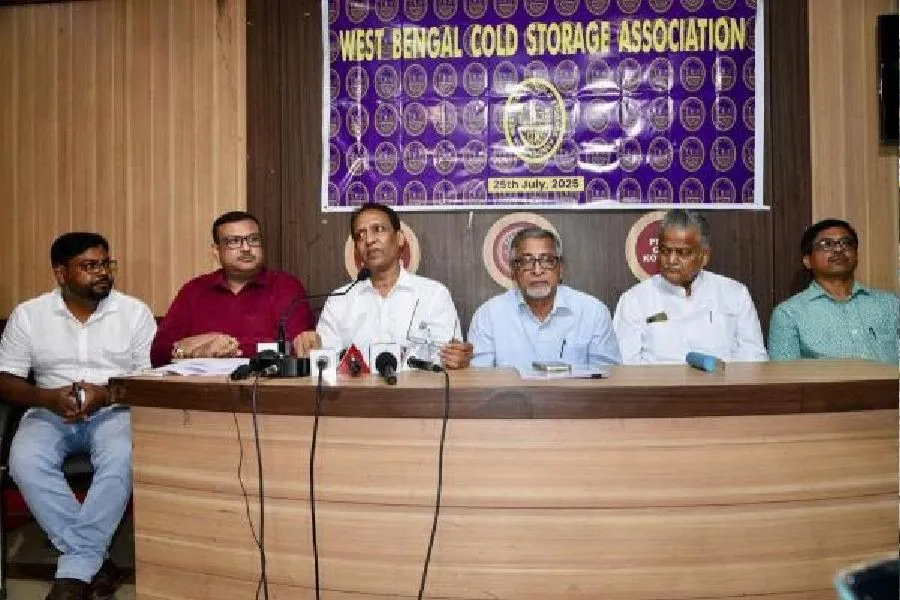
A surge in surplus potato stock is triggering serious concerns among cold storage owners across India, following recent restrictions on interstate sales of the staple crop. The regulatory intervention, aimed at stabilizing prices and addressing local supply issues, has inadvertently disrupted trade flows and left producers, traders, and warehouse operators grappling with oversupply. As storage units approach maximum capacity, industry stakeholders are warning of spoilage risks and mounting financial losses. The situation underscores broader challenges in India’s perishable commodities logistics chain, where abrupt policy shifts can have cascading effects on food security, farmer incomes, and infrastructure sustainability.
Policy Shock: Interstate Movement Restrictions Backfire
The recent move by several states to impose curbs on the movement of potatoes across borders has thrown the agricultural supply chain into disarray. Intended to protect local consumers from price spikes, the restrictions have instead led to unintended consequences—chief among them being an overwhelming buildup of stock in cold storages.
With traditional trade routes disrupted, large volumes of harvested potatoes are now stranded within state borders. The inability to distribute these stocks across regions has led to a mismatch between supply and demand, reducing market liquidity and depressing prices at the farm gate.
Cold Storages Strained by Oversupply
Cold storage operators, particularly in major producing states such as Uttar Pradesh and West Bengal, are bearing the brunt of the policy-induced imbalance. Many facilities are now operating at or near full capacity, raising concerns over potential spoilage and quality degradation.
The surplus is not only a logistical challenge but also a financial burden. The average cost of storing one quintal of potatoes ranges between Rs. 150 to Rs. 200 per month. With millions of tonnes in storage and no viable distribution outlet, operators are staring at losses running into crores. The longer the impasse continues, the greater the pressure on warehouse margins and working capital.
Farmers, Traders Caught in the Crossfire
Farmers, who were anticipating a stable selling season, are now grappling with falling prices and delayed payments. Unable to move their produce out of state, many are resorting to distress sales, sometimes at rates as low as Rs. 6 to Rs. 8 per kilogram—far below the break-even cost.
Traders too have been severely impacted. With movement permits either delayed or denied, contracts have been cancelled and market confidence eroded. Many fear that without swift resolution, the current crisis could deter future investments in the potato value chain, from warehousing to processing.
Economic and Food Supply Implications
The bottleneck in potato distribution also threatens to upset regional food supply balances. Areas that traditionally depend on imports of the crop may face temporary shortages, while producing regions witness price collapses. The ripple effect could extend into retail inflation, especially if consumers in deficit states are forced to pay more for essential staples.
From a macroeconomic perspective, such disruptions weaken agricultural value chains and reduce the predictability of trade—elements crucial for investment, modernization, and rural income growth. Additionally, if cold storages remain occupied for too long, the storage capacity for other crops could be affected in the coming seasons.
Call for Policy Rethink and Coordinated Response
Industry leaders and agricultural economists are urging policymakers to reconsider the restrictions and adopt more calibrated approaches. One potential solution could be incentivizing movement through regulated trade corridors, supported by digital tracking and price-monitoring mechanisms. Another avenue is leveraging public distribution systems or export markets to absorb excess inventory.
Furthermore, better coordination between state governments and central authorities is essential to manage food logistics in a way that balances consumer interest with farmer welfare and supply chain resilience. The current crisis presents an opportunity to modernize agricultural policy frameworks with a long-term, market-oriented perspective.
Conclusion:
The growing pile-up of surplus potatoes in India’s cold storages is a symptom of deeper inefficiencies in agricultural logistics and reactive policymaking. While price controls and trade restrictions may offer short-term relief, they risk long-term harm if not accompanied by holistic planning. Ensuring the free movement of goods, investing in infrastructure, and fostering inter-state cooperation are not merely economic imperatives—they are foundational to food security and rural prosperity in a country where agriculture remains a lifeline for millions.
Comments