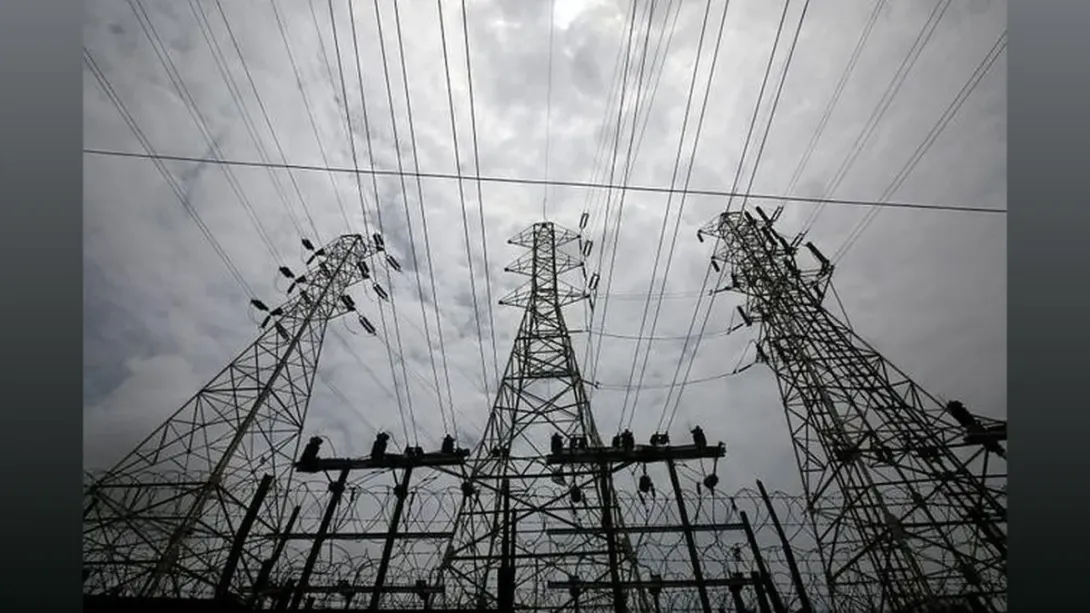
Power Grid Corporation of India Ltd. reported a solid 8% year-on-year increase in net profit for the third quarter, reaching Rs. 4,185 crore, supported by stable revenue from electricity transmission operations and efficiency in cost management. The company maintained healthy margins despite rising operational expenses and capital expenditure on grid expansion projects. Analysts highlight that Powergrid’s performance reflects consistent demand for power infrastructure, strategic project execution, and disciplined financial management. With ongoing capacity augmentation and modernization initiatives, the company is positioned to sustain long-term growth, contributing to India’s electricity transmission reliability and energy security.
Revenue and Operational Performance
Powergrid’s Q3 performance was driven by multiple factors:
- Transmission Revenue Stability: Continued high utilization of interstate transmission systems ensured steady fee-based income.
- Project Execution: Timely completion of transmission lines and substations enhanced operational capacity.
- Renewable Integration: Transmission infrastructure supporting solar and wind projects added incremental revenue streams.
These factors collectively contributed to top-line growth and improved net profitability, reinforcing investor confidence in the company’s business model.
Cost Management and Profitability
The 8% profit growth was supported by focused cost-control measures:
- Operational Efficiency: Streamlined maintenance and optimized grid management reduced operating expenditures.
- Capital Allocation Discipline: Strategic project financing and prioritization of high-impact investments minimized cost overruns.
- Energy Efficiency Measures: Adoption of modern technologies and automation improved asset utilization and reduced losses.
Powergrid’s ability to convert steady transmission revenue into robust net earnings underscores financial resilience and operational discipline.
Industry Context and Strategic Outlook
The power transmission sector continues to benefit from strong structural trends:
- Rising Power Demand: India’s industrial and residential electricity consumption growth drives transmission requirements.
- Renewable Energy Expansion: Grid connectivity for solar, wind, and hybrid projects requires increased transmission capacity.
- Government Initiatives: Policies promoting green energy integration and grid modernization support long-term infrastructure investment.
Analysts note that Powergrid’s extensive network, strategic projects, and regulatory clarity position it as a key enabler of India’s energy transition.
Growth Drivers and Future Plans
Looking ahead, Powergrid is focusing on:
- Grid Expansion: Increasing transmission capacity to accommodate growing electricity demand and renewable energy integration.
- Technological Upgrades: Deployment of smart grid technologies and digital monitoring systems for operational efficiency.
- Diversification of Revenue: Developing high-value projects, including cross-border transmission links and renewable corridor infrastructure.
These initiatives are expected to sustain double-digit growth in operational capacity while maintaining profitability.
Investor Implications
Powergrid’s Q3 performance reinforces investor confidence in its:
- Stable Cash Flow Model: Fee-based revenue with predictable earnings and regulatory oversight.
- Operational Excellence: Efficient management of large-scale infrastructure projects.
- Long-Term Growth Potential: Strategic alignment with India’s energy and infrastructure expansion plans.
The results highlight the company’s resilience in managing operational and financial pressures while supporting national energy infrastructure development.
Conclusion
Powergrid’s Q3 net profit of Rs. 4,185 crore, up 8% year-on-year, reflects consistent operational performance, disciplined cost management, and strategic expansion initiatives. With ongoing investment in transmission capacity and technology, the company is well-positioned to deliver sustainable growth, operational reliability, and long-term shareholder value while contributing to India’s energy security and renewable energy integration goals.
Comments