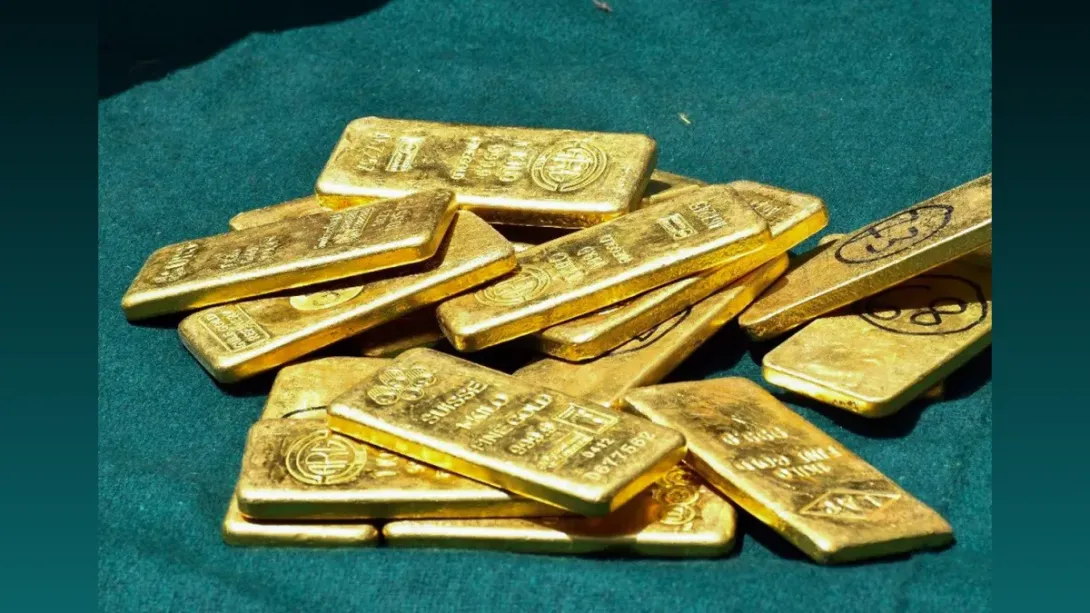
In a surprising yet closely watched development, domestic gold and silver prices witnessed a sharp correction, slipping by ₹500 and ₹1,000 respectively. The pullback comes amid shifting global economic sentiments, a stronger U.S. dollar, and renewed investor interest in equities over traditional safe havens. Analysts attribute the movement to a mix of international headwinds, including speculation around U.S. Federal Reserve policy, subdued demand in the physical market, and a decline in geopolitical tensions. As investors reassess their portfolio strategies, the latest dip in precious metals could signal a recalibration of near-term market expectations.
Global Factors Exert Downward Pressure
Gold and silver, historically viewed as hedges against inflation and economic instability, have come under pressure following strength in the U.S. dollar and signs of resilience in global equity markets. With U.S. economic data suggesting moderation in inflation and the Federal Reserve hinting at a more measured approach to future rate hikes, bullion’s appeal as a non-yielding asset has temporarily waned.
Additionally, easing geopolitical tensions in Eastern Europe and parts of the Middle East have reduced the urgency among institutional investors to hold gold as a risk-averse asset. These shifts have redirected capital flows toward riskier assets, particularly equities and bonds.
Domestic Prices Mirror International Sentiment
In the Indian market, standard gold (24-carat) prices dropped by ₹500 per 10 grams, settling around ₹72,350 in major metropolitan hubs. Similarly, silver saw a steeper fall of ₹1,000 per kilogram, with rates hovering near ₹91,500. These movements are reflective of the correction seen in international markets, where spot gold declined to around $2,340 per ounce, and silver retreated below the $29 mark.
Bullion traders reported a softening of consumer demand, particularly in urban centers, citing elevated price levels over recent weeks as a deterrent. With the festive and wedding season behind, buying activity has slowed, adding further weight to the downward trajectory.
Investor Sentiment in Flux
The latest retreat in gold and silver has led to mixed reactions among investors. While short-term traders may view the decline as a window for profit booking, long-term investors are advised to monitor central bank policies and inflation trends before increasing exposure.
According to commodity analysts, gold remains a long-term hedge against currency depreciation and macroeconomic shocks. However, in the near term, its trajectory will be influenced by expectations around interest rate policy and fluctuations in the dollar index.
Outlook: Volatility Ahead, But Fundamentals Intact
While the current correction may spook retail investors, the broader fundamentals for gold and silver remain intact. Central banks, especially in emerging economies, continue to accumulate gold reserves, providing a floor to sharp price declines. Moreover, any resurgence in geopolitical instability or a surprise in inflation readings could quickly reverse the bearish trend.
For now, market participants are urged to tread carefully, stay informed about global economic developments, and align their investment horizon with long-term objectives. Precious metals may be under pressure today, but their enduring value as portfolio stabilizers remains undisputed.
Conclusion:
The sharp drop in gold and silver prices reflects a convergence of global and domestic factors, from economic recalibrations to subdued consumer demand. While the near-term outlook may remain volatile, seasoned investors understand that the story of precious metals is written not in days or weeks, but in decades.
Comments