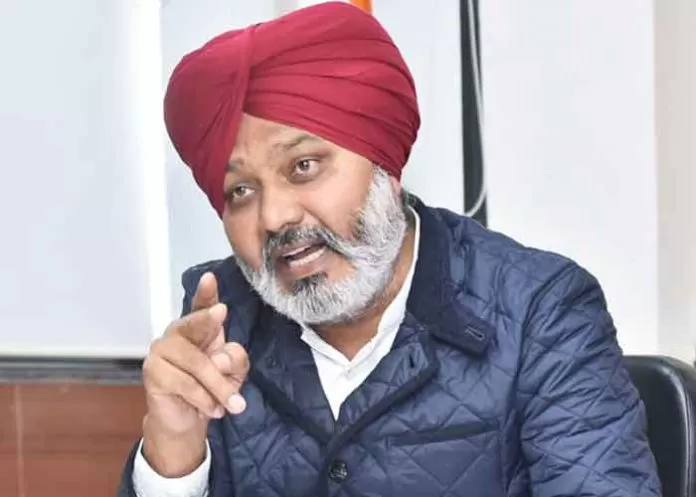
In a move to modernize governance and streamline bureaucratic processes, Punjab Finance Minister Harpal Singh Cheema has announced that all overdue cases related to revenue services—including attestation of uncontested mutations and issuance of income certificates—will be resolved by April 30. The state has also committed to reducing processing times for key public services and introduced a digital-first approach to minimize red tape and corruption. This initiative is part of a broader strategy to enhance administrative efficiency, foster transparency, and deliver citizen services in a more accountable and timely manner.
Reforming Revenue Services: A Strategic Shift in Punjab
Punjab’s revenue services are undergoing a significant transformation aimed at minimizing bureaucratic friction and maximizing efficiency. At the forefront of this change is Finance Minister Harpal Singh Cheema, who has committed to clearing a substantial backlog of pending applications by the end of April. The effort, backed by digitization and revised service timelines, reflects a serious commitment to governance reform.
Backlog Clearance and Accountability Measures
Over the past year, the Punjab Revenue Department has processed a staggering volume of citizen service requests:
- 8,42,362 applications for attestation of uncontested mutations
- 5,33,054 for income certificates
- 1,73,149 for inspection of revenue records
- 31,164 for copying services
However, thousands of these applications remained unresolved beyond their stipulated timelines. Specifically:
- 26,658 mutation requests
- 17,400 for income certificates
- 4,362 copying service requests
- 2,123 inspection requests
Cheema stated these backlogs would be addressed in full by April 30, underlining the administration’s zero-tolerance stance on delays. To enforce this, daily monitoring of overdue applications will now be conducted by deputy commissioners across districts.
New Timelines for Citizen Services
Effective May 1, the timeline for the attestation of uncontested mutations will be reduced from 45 days to 30 days. Meanwhile, the existing timelines for other key services remain as follows:
- Copying service: 10 days
- Income certificate issuance: 15 days
- Inspection of revenue records: 7 days
To ensure compliance, the government has instituted strict accountability mechanisms. Any official found guilty of undue delay in service delivery will face disciplinary action. This marks a shift toward performance-driven governance and heightened public accountability.
Digital Transformation of Revenue Services
A core component of the reform agenda is the digitization of application processes. Citizens can now submit mutation and other requests online, reducing the need for physical interaction with revenue officials. Previously, accessing such services often meant navigating a complex bureaucracy involving multiple layers—Patwaris, Kaungos, and Tehsildars. This labyrinth not only bred inefficiency but also enabled corruption and harassment.
Even with the existence of Sewa Kendras (government facilitation centers), citizens were still forced to make rounds to offices like Deputy Commissioner offices, Tehsils, and Municipal Committees for document verification and approvals. The shift to online applications represents a paradigm change—an attempt to bypass systemic inefficiencies and create a citizen-first administration.
Governance with a Modern Edge
This push for a transparent, accountable, and digital revenue system aligns with broader national trends of e-governance and service-oriented public administration. By embedding timelines, ensuring oversight, and digitizing services, Punjab is seeking not just to expedite procedures, but also to restore public confidence in government mechanisms. While execution remains key, the roadmap laid out by the Finance Minister sends a clear message: efficiency, transparency, and integrity will define the next chapter in Punjab’s administrative history.
Comments