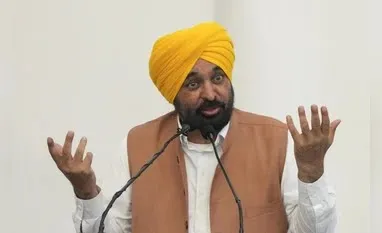
Punjab Chief Minister Bhagwant Mann has accused the central government of deliberately obstructing the distribution of free ration to approximately 5.5 million beneficiaries in the state. Speaking at a public forum, CM Mann claimed that bureaucratic hurdles and policy roadblocks from the Centre were undermining the state’s welfare initiatives aimed at providing essential food support to vulnerable populations. The controversy highlights ongoing tensions between the state and central authorities over social welfare programs and resource allocation. Analysts note that this dispute may have both political and administrative ramifications ahead of upcoming elections.
Allegations of Central Interference
CM Mann alleged that delays and restrictions imposed by central agencies have hindered Punjab’s efforts to implement its free ration scheme effectively. According to the Chief Minister, these actions prevent millions of low-income families from accessing essential grains and other food items, raising concerns about the welfare of the most vulnerable sections of society.
Welfare Scheme and Beneficiary Impact
The free ration program, designed to support economically disadvantaged families, covers approximately 5.5 million people across urban and rural areas. Punjab’s government has emphasized the scheme as a critical lifeline for those struggling with rising food prices and economic pressures. Delays or interruptions in distribution could exacerbate food insecurity, particularly among the elderly, migrant workers, and low-income households.
Political and Administrative Tensions
Observers suggest that the dispute reflects broader political friction between Punjab’s state government and the central administration. Welfare schemes, funding approvals, and policy implementation often become points of contention, particularly when states seek to expand benefits beyond central provisions. CM Mann’s public statements indicate that the state intends to pursue alternative channels to ensure that eligible beneficiaries continue to receive support.
Implications for Governance
The controversy underscores challenges in the cooperative functioning of state and central governments, particularly in administering social welfare programs. Effective coordination is essential to ensure timely delivery of public services, especially for vulnerable populations dependent on government support. Analysts note that continued friction could impact the perception of governance efficiency and service delivery in Punjab.
Outlook
Punjab’s Chief Minister has vowed to take all necessary steps to safeguard the free ration program and ensure that the 5.5 million beneficiaries are not deprived of essential food supplies. The unfolding dispute highlights the critical role of state-level welfare initiatives in supplementing central schemes, while also emphasizing the need for smoother cooperation between state and central authorities to meet citizens’ basic needs.
Comments