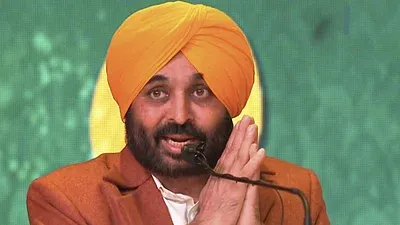
In a move reflecting deep respect for India’s freedom struggle, the Punjab government has declared July 31 a public holiday to commemorate the martyrdom anniversary of revolutionary hero Shaheed Udham Singh. Recognized for his historic retaliation against British colonial atrocities, Singh remains an enduring symbol of patriotic resistance. The decision is aimed at providing citizens an opportunity to pay homage to his sacrifice, with state offices, schools, and institutions expected to remain closed. This formal observance underlines Punjab's commitment to preserving the memory of its independence-era icons and educating future generations about their contributions.
Honouring a Revolutionary Legacy
The Punjab government has officially declared a public holiday on July 31 to mark the martyrdom day of Shaheed Udham Singh, a revered figure in India’s fight for independence. Singh is best remembered for avenging the Jallianwala Bagh massacre by assassinating Michael O’Dwyer, the former Lieutenant Governor of Punjab, in London in 1940.
This commemoration not only reinforces Singh’s historical importance but also serves as a reminder of the sacrifices made during India’s freedom movement. The day will be marked by state-led tributes, school and government closures, and community-led remembrance activities across Punjab.
Public Institutions to Remain Closed
As per the directive, all state government offices, public schools, and administrative departments will remain closed on July 31. The holiday has been included under Section 25 of the Negotiable Instruments Act, 1881, ensuring that government employees and workers in eligible sectors receive the day off.
The decision aligns with previous years' efforts by Punjab to institutionalize remembrance of freedom fighters by officially recognizing key dates in the independence movement. By formalizing the observance, the state encourages civic participation in honouring revolutionary contributions.
Udham Singh: A Symbol of Defiance
Born in Sunam in 1899, Udham Singh became a symbol of unflinching defiance against colonial rule. The execution of his carefully planned retribution in London — which he undertook under an assumed identity — catapulted him into global headlines. Though he was hanged on July 31, 1940, in London’s Pentonville Prison, his legacy remains etched in the collective memory of India’s struggle for sovereignty.
In post-independence India, Singh has been immortalized through films, literature, statues, and annual tributes — particularly in his home state of Punjab. The July 31 holiday is a continuation of efforts to enshrine his contributions in national consciousness.
Educational and Cultural Significance
Beyond its symbolic value, the declaration of this public holiday presents an opportunity for educational institutions, historians, and civil society groups to highlight the life and ideology of Udham Singh. Schools and colleges are expected to hold commemorative events in the days leading up to July 31, including essay competitions, exhibitions, and seminars focused on India’s anti-colonial resistance.
Punjab’s commitment to celebrating its revolutionary past also reflects a broader effort to instill pride and historical awareness among younger generations, ensuring that stories like Singh’s are neither forgotten nor diluted.
Conclusion
The announcement of a public holiday on July 31 is more than a ceremonial gesture — it is a reaffirmation of Punjab’s cultural identity and its reverence for those who laid down their lives for the nation. As the state comes together to remember Shaheed Udham Singh, the day serves not only as a tribute but as a reminder of the price paid for independence.
Comments