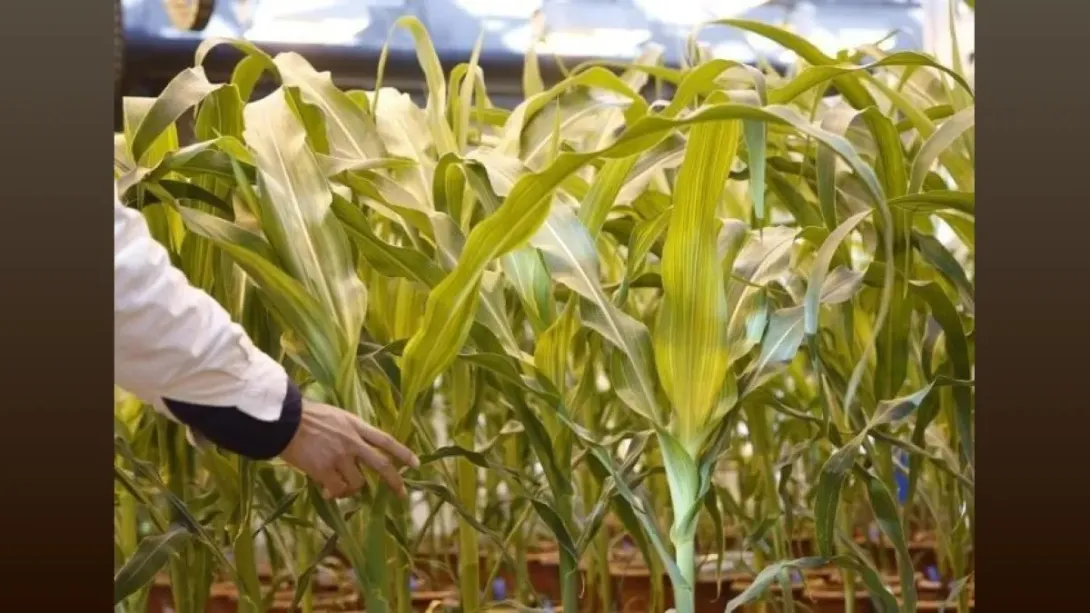
Amid recent floods in Punjab, agricultural scientists and farmers are turning to flood-resistant maize varieties to safeguard crop yields and ensure food security. The region, known as India’s agricultural heartland, has witnessed extensive damage to standing crops due to unprecedented waterlogging and monsoon surges. Research institutions are conducting trials of maize strains engineered to withstand prolonged submergence, aiming to provide farmers with resilient alternatives. Experts suggest that such adaptive measures could mitigate climate-related risks, stabilize rural incomes, and strengthen the state’s role in national maize production. The initiative reflects a broader push toward climate-smart agriculture in India.
Impact of Floods on Punjab Agriculture
Recent heavy rains have caused severe flooding across Punjab, affecting thousands of hectares of farmland. Traditional maize crops have suffered from waterlogging, root damage, and reduced germination rates. Farmers are reporting significant yield losses, threatening both local food supply and the state’s contribution to India’s maize output. Agricultural economists warn that recurrent floods could undermine rural livelihoods and disrupt commodity markets if adaptive strategies are not implemented.
Introduction of Flood-Resistant Maize
In response to these challenges, research institutions in Punjab have initiated trials of flood-tolerant maize varieties. These crops are engineered to survive extended periods of submergence without compromising growth or yield. Scientists are collaborating closely with local farmers to monitor performance under real-world conditions, providing both technical guidance and on-the-ground feedback. Early results indicate promising resilience, offering hope for minimizing losses in future flood events.
Climate-Smart Agriculture and Policy Support
Experts emphasize that flood-resistant crops are part of a broader climate-smart agriculture agenda, aimed at enhancing productivity while reducing vulnerability to extreme weather events. Government agencies are encouraging adoption through subsidies, training programs, and access to resilient seed varieties. By integrating innovative farming practices with traditional knowledge, policymakers hope to build long-term sustainability into Punjab’s agricultural sector.
Economic Implications and Food Security
The successful deployment of flood-resistant maize could stabilize production, ensuring supply consistency for both domestic consumption and industrial demand. Analysts note that resilient crop varieties not only protect farmers’ incomes but also contribute to regional and national food security. As climate variability intensifies, such adaptive measures are increasingly seen as critical investments in India’s agricultural infrastructure.
Conclusion
The Punjab floods highlight the urgent need for climate-resilient farming solutions. Flood-resistant maize represents a promising strategy to mitigate crop losses, protect farmer livelihoods, and ensure food security in a changing climate. Continued research, policy support, and farmer collaboration will be essential to making these innovations a scalable, sustainable reality.
Comments