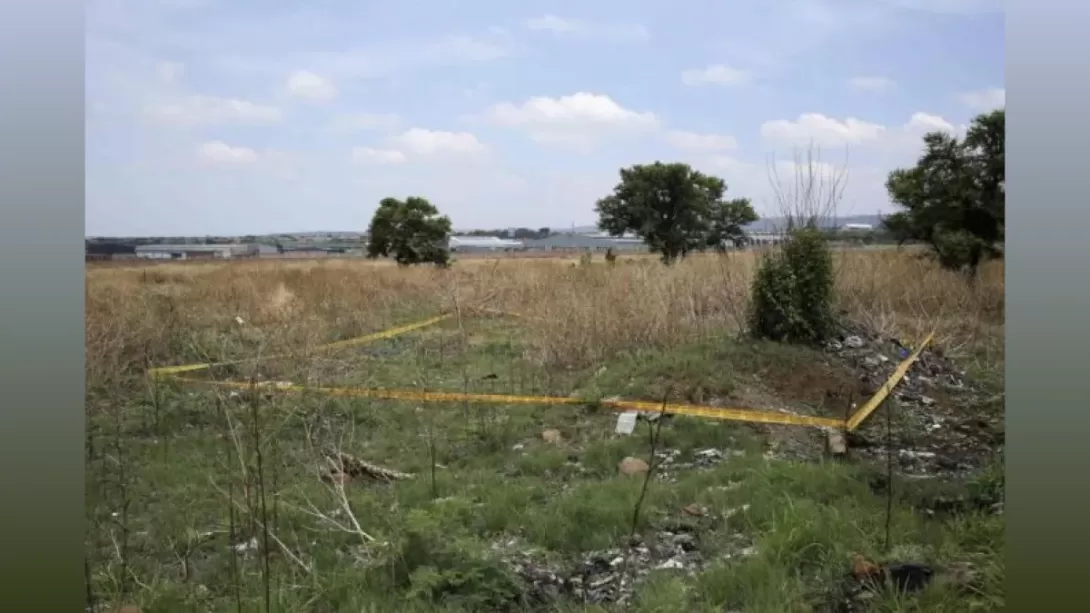
The Punjab Cabinet has approved a new Land Pooling Policy aimed at facilitating planned urban development without forcibly acquiring land from farmers. Under this policy, landowners can voluntarily contribute their land in exchange for developed residential and commercial plots. The initiative is set to be implemented in 27 major cities across the state, with the first phase focusing on Ludhiana. The policy has been met with both support and criticism, as stakeholders weigh its potential impact on urban growth and agricultural communities.
Voluntary Land Contribution for Urban Development
Punjab's new Land Pooling Policy offers landowners the option to voluntarily contribute their land for urban development projects. In return, they receive developed residential and commercial plots, with compensation rates varying based on the amount of land contributed. For instance, contributing one acre of land entitles the owner to a 1,000 square yard residential plot and a 200 square yard commercial plot. This approach aims to promote transparency and reduce the financial burden on the state government by minimizing cash compensation payouts.
Implementation in Ludhiana and Other Cities
The policy's first phase targets the development of approximately 24,000 acres in Ludhiana, encompassing over 40 villages. The Greater Ludhiana Area Development Authority (GLADA) is overseeing the project, which is expected to transform the region into a modern urban hub. Subsequent phases will extend the policy to other major cities in Punjab, including Amritsar, Jalandhar, and Patiala, aiming for comprehensive statewide urban development.
Opposition Concerns and Criticisms
Despite the government's assurances, the policy has faced criticism from opposition parties and farmer groups. Critics argue that the policy could lead to the exploitation of landowners and may disproportionately benefit real estate developers. Some have raised concerns about the adequacy of compensation and the potential for increased landlessness among farmers. Additionally, questions have been raised about the financial feasibility of the proposed developments and the long-term benefits for local communities.
Government's Defense and Future Outlook
In defense of the policy, Chief Minister Bhagwant Mann emphasized that the initiative is entirely voluntary and aims to empower landowners by providing them with valuable assets in the form of developed plots. He criticized previous administrations for promoting opaque land deals and unapproved colonies, which often lacked essential amenities. The government has pledged to regulate and upgrade such colonies to enhance living conditions. Looking forward, the success of the Land Pooling Policy will depend on effective implementation, transparent processes, and ongoing dialogue with all stakeholders to address concerns and ensure equitable development.
Conclusion:
Punjab's Land Pooling Policy represents a significant shift towards planned urban development through voluntary land contributions. While it offers potential benefits in terms of infrastructure development and landowner compensation, its success will hinge on addressing the concerns of critics and ensuring that the policy's implementation is fair, transparent, and inclusive. As the first phase unfolds in Ludhiana, all eyes will be on the outcomes to gauge the policy's impact and inform future urban development strategies in the state.
Comments