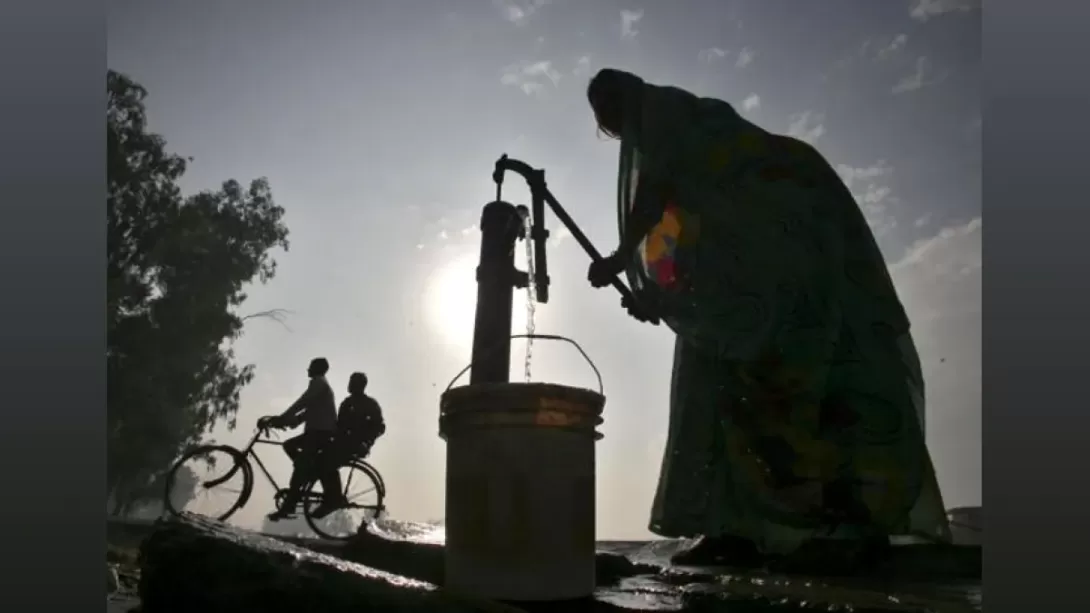
Punjab Chief Minister Bhagwant Mann recently unveiled a strategic, zone-wise approach to the paddy cultivation season, set to begin in June 2025. With the state divided into three distinct zones, this initiative aims to tackle the region’s water crisis, reduce power supply burdens, and streamline the harvesting process. Punjab, a critical contributor to India’s food supply, has faced severe water depletion due to increasing paddy cultivation. The new plan seeks to optimize water usage and avoid complications related to paddy harvests. Mann also revealed plans to potentially phase out water-intensive paddy varieties in the future.
A Strategic Shift in Paddy Cultivation
Punjab, often referred to as the food bowl of India, plays a pivotal role in feeding the nation. The state contributes a substantial 45% of the country’s grain supply, a figure that underscores its agricultural importance. However, the environmental cost of this production is increasingly becoming a point of concern.
Chief Minister Bhagwant Mann’s announcement to implement a zone-wise cultivation system for paddy, set to roll out from June 1, represents a significant shift in how the state manages its agricultural practices. The decision comes at a time when Punjab's water resources are under severe strain, with the state’s expansive paddy farming requiring vast amounts of water for irrigation. This initiative aims to manage this water consumption more efficiently, allowing for sustainable agricultural growth while minimizing the negative environmental impact.
The Water Crisis: A Growing Concern
The cultivation of paddy in Punjab is an intensive process, requiring a staggering 4,000 liters of water to produce just one kilogram of rice. As the state continues to expand its paddy cultivation area, from 20 lakh hectares to 32 lakh hectares, the demand for water has skyrocketed. This increased demand is threatening Punjab’s groundwater resources, which are depleting at an alarming rate.
Mann pointed out the unsustainable nature of the current water usage, warning that this trend could lead to irreparable damage to the state’s water reserves, a resource critical not only for agriculture but for the survival of future generations. The Chief Minister’s concern highlights the urgent need for reform in Punjab’s farming practices, making it clear that the state cannot afford to maintain the current trajectory.
In response, the state government has already begun taking steps to address this issue. Thanks to concerted efforts by the government, groundwater levels have started to show signs of recovery, with reports from the Union government indicating an upward shift of one meter. This provides a glimmer of hope that the state’s water crisis can be mitigated with effective policy measures and strategic agricultural planning.
A Zone-Wise Approach to Cultivation
In a bid to better manage resources and alleviate pressure on power supply systems during the peak paddy season, the Punjab government has divided the state into three zones for the commencement of paddy cultivation. The cultivation will begin on different dates in these zones, starting from June 1, with a staggered approach that will spread the burden of electricity demand across a more manageable time frame.
- June 1: Cultivation will begin in districts such as Faridkot, Bathinda, Fazilka, Ferozepur, and Sri Muktsar Sahib.
- June 5: Gurdaspur, Pathankot, Amritsar, Tarn Tarn, Rupnagar (Mohali), Sri Fatehgarh Sahib, and Hoshiarpur will follow suit.
- June 9: The remaining districts, including Ludhiana, Moga, Jalandhar, Mansa, Malerkotla, Sangrur, Patiala, Barnala, Shaheed Bhagat Singh Nagar, and Kapurthala, will begin their paddy cultivation.
This strategic approach is designed to help the state manage its electricity consumption during the paddy season more effectively. By staggering cultivation efforts, Punjab hopes to prevent an overload on power supply systems, which are often stretched thin during the summer months when water-intensive paddy farming peaks.
Additionally, the zone-wise approach will help reduce issues faced by farmers regarding the high moisture content in paddy harvests, which often complicate the selling process, especially in October.
The Environmental and Economic Implications of Water-Intensive Paddy Varieties
Another important aspect of the Punjab government’s approach is its consideration of phasing out certain water-intensive varieties of paddy, such as the Pussa 44. This variety, which requires significant water for irrigation, has contributed heavily to the state’s water depletion issues.
The state government is contemplating a ban on this high-water-consuming crop in favor of varieties that are less taxing on water resources. By promoting water-efficient farming practices, the government seeks to strike a balance between maintaining Punjab’s agricultural output and ensuring long-term environmental sustainability.
This move aligns with broader trends in agricultural policy, where the emphasis is increasingly on sustainability and climate-resilient farming techniques. The transition to less water-intensive paddy varieties is expected to not only conserve water but also reduce the environmental footprint of rice production in the state.
Looking Ahead: A Balanced Approach to Agriculture and Sustainability
Punjab’s new approach to paddy cultivation is a bold and necessary step towards managing its water resources more effectively. While the state continues to face the dual challenges of maintaining its agricultural output and addressing environmental concerns, the shift toward zone-wise cultivation and water-efficient practices marks a positive move in the right direction.
By balancing the needs of its farmers with the imperative to protect its water resources, Punjab can continue to contribute significantly to India’s food security while ensuring that future generations inherit a more sustainable and resilient agricultural landscape. The state’s efforts to rethink its farming practices may serve as a model for other regions facing similar challenges, demonstrating that long-term sustainability and agricultural productivity can go hand in hand.
Comments