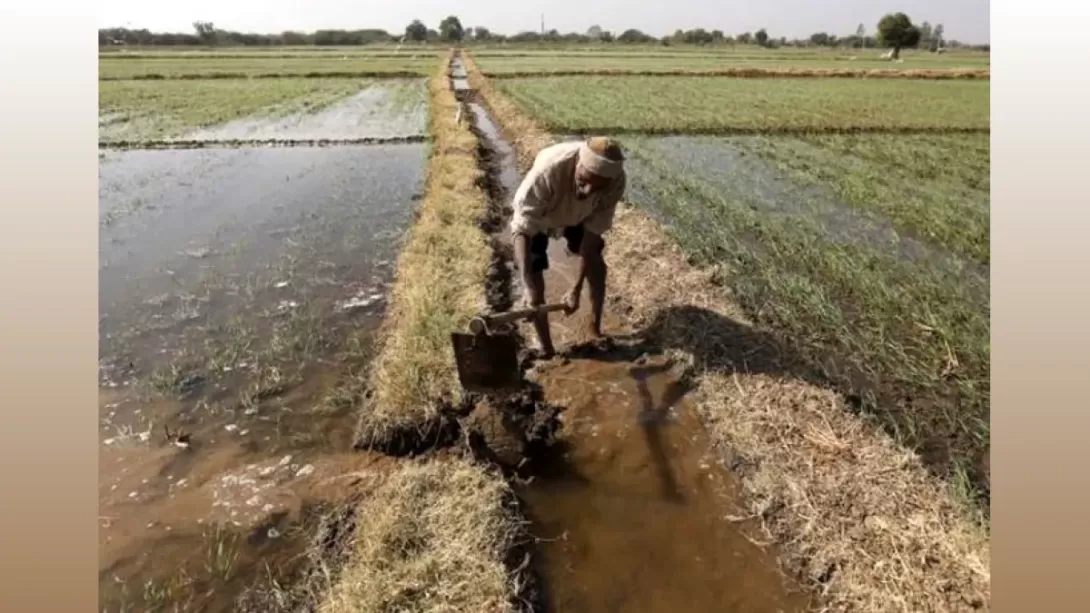
Rajasthan’s Chief Minister, Bhajanlal Sharma, has outlined significant efforts to improve the state’s canal system and ensure adequate water supply for both agricultural and public use. In his address to farmers in Hanumangarh, Sharma detailed multiple key initiatives, including the Indira Gandhi Canal Project (IGNP) strengthening, and the Mahi Basin Management, among others. With a focus on improving irrigation systems and flood protection, the government plans to invest Rs 3,400 crore into water-related infrastructure. Sharma’s visit to crucial irrigation points further underscores his commitment to sustainable water management in Rajasthan.
Key Government Initiatives to Improve Water Supply
Chief Minister Bhajanlal Sharma provided an update on several major projects aimed at revamping Rajasthan’s water infrastructure. His government’s focus is on strengthening the Indira Gandhi Canal Project (IGNP) and addressing water-related challenges in the state. Acknowledging the importance of reliable water sources for farmers, Sharma mentioned that Rs 3,400 crore would be allocated to enhance the IGNP, which plays a critical role in providing irrigation across vast agricultural areas. Additionally, the Mahi Basin and the Yamuna Water Agreement are integral to the state’s water management plan. These initiatives aim to ensure that farmers receive an uninterrupted supply of water for crop cultivation while addressing growing concerns over the availability of clean drinking water for the general public.
Strengthening the Canal System for Efficient Irrigation
Rajasthan, known for its arid climate, has long struggled with water scarcity and irrigation challenges. To mitigate this, Chief Minister Sharma emphasized efforts to strengthen the state’s canal systems. This includes not only the Indira Gandhi Canal, but also addressing issues linked to the Bhakra and Gang canals. By making strategic improvements to these vital water supply routes, the government aims to enhance irrigation capabilities, ultimately benefiting farmers and ensuring more reliable crop production.
Moreover, these projects reflect the state’s commitment to providing adequate drinking water through well-managed systems that can serve both rural and urban populations. These efforts are crucial for Rajasthan, where many regions rely heavily on canal irrigation for agricultural productivity.
Flood Protection and Prevention Measures
Flooding remains a significant risk in certain parts of Rajasthan, particularly during the monsoon season. To counter this, the Chief Minister announced a Rs 325 crore project focused on flood protection in the Ghaggar River region. This initiative is aimed at safeguarding local communities by preventing the loss of life and property during periods of heavy rainfall and floods.
Sharma’s visit to the Lakhuwali Head and Ghaggar Diversion Channel in Hanumangarh allowed him to inspect the water flow capacity and evaluate the functioning of flood management systems. His assessment underscores the importance of efficient water control and flood protection infrastructure in regions vulnerable to extreme weather events.
Vision for Sustainable Agricultural Growth
The government's efforts are not only centered on infrastructure improvements but also on ensuring sustainable agricultural practices. By improving the water supply for irrigation, farmers will have greater access to resources needed to increase crop yield, which is crucial for Rajasthan's economy. This approach aligns with broader objectives to support food security and the livelihoods of rural populations.
Additionally, Rajasthan's government aims to make agricultural practices more climate-resilient by implementing systems that allow for better water management, reducing dependency on erratic rainfall. These initiatives could play a crucial role in boosting agricultural productivity in the long term, contributing to the state’s overall growth.
Conclusion: A Holistic Approach to Water Management
Chief Minister Bhajanlal Sharma’s efforts to improve water management in Rajasthan are part of a broader, multi-pronged strategy to ensure that both farmers and the general public benefit from a sustainable water supply. With significant investments in infrastructure and flood protection measures, the state is on track to address its longstanding water challenges. As these initiatives unfold, Rajasthan is poised to achieve greater agricultural stability and economic growth, ensuring that its residents, particularly those in rural areas, have access to essential resources for a better quality of life.
Comments