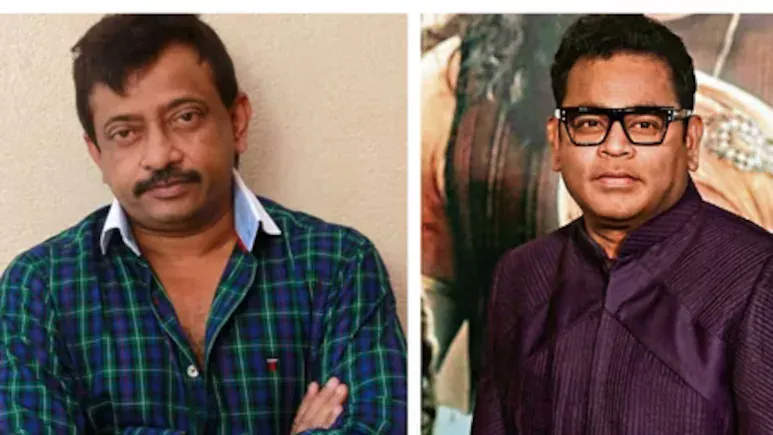
Filmmaker Ram Gopal Varma has once again found himself at the center of public debate following controversy surrounding “Jai Ho,” a project that has drawn criticism for its provocative messaging and tone. Known for his outspoken views and unconventional approach to cinema, Varma’s latest move has triggered sharp reactions across social media and industry circles. Supporters argue that the filmmaker is exercising creative freedom, while critics accuse him of courting attention through deliberate provocation. The episode highlights ongoing tensions between artistic expression, public sentiment and accountability in India’s rapidly evolving media landscape.
The Controversy Unfolds
The latest dispute emerged after promotional material and statements linked to “Jai Ho” began circulating online, prompting backlash from sections of the public. Critics objected to what they described as insensitive themes and messaging, arguing that the content crossed ethical and cultural lines.
As reactions intensified, the controversy quickly expanded beyond the film itself, becoming a broader conversation about responsibility in creative expression.
Ram Gopal Varma’s Provocative Legacy
Ram Gopal Varma is no stranger to controversy. Over a career spanning decades, the filmmaker has built a reputation for challenging conventions, often blending political, social and personal commentary into his work.
Industry observers note that Varma’s public persona—shaped by blunt social media commentary and confrontational opinions—frequently amplifies reactions to his projects, ensuring sustained public attention whether positive or negative.
Public Reaction and Industry Response
Social media platforms became the primary arena for debate, with opinions sharply divided. While some defended Varma’s right to free expression, others called for greater sensitivity, particularly given cinema’s wide influence.
Within the film industry, reactions were more measured. Several professionals emphasized the importance of creative freedom while acknowledging that filmmakers must remain aware of the social impact of their work.
Creative Freedom Versus Accountability
The “Jai Ho” controversy underscores a recurring tension in Indian cinema: the balance between artistic liberty and societal responsibility. As audiences become more vocal and digitally empowered, filmmakers face heightened scrutiny not only for their films but also for their public statements.
Legal experts and cultural commentators note that while freedom of expression is fundamental, it increasingly operates within a framework shaped by public perception and market consequences.
Outlook: A Familiar Pattern Repeats
For Ram Gopal Varma, the controversy appears to follow a familiar pattern—provocation leading to debate, visibility and renewed relevance. Whether “Jai Ho” ultimately benefits from the attention remains to be seen.
What is clear, however, is that the episode reflects a broader shift in India’s entertainment ecosystem, where creative choices are instantly judged in the court of public opinion, making controversy both a risk and, at times, a strategic tool.
Comments